Abstract
Background: Artificial Intelligence (AI) is increasingly transforming the workplace by influencing how employees perform tasks, communicate, make decisions, and interact with organizational systems. Although AI can improve productivity, automate repetitive activities, and support decision-making, its increasing integration may also create challenges for employee well-being, including job insecurity, technostress, reduced autonomy, perceived workplace surveillance, and concerns regarding employees’ ability to adapt to changing skill requirements. This study aims to examine the impact of AI on employee well-being within the Sri Lankan corporate context, with particular focus on employees in the Asian Region. Motivation: The study will examine the relationships between AI exposure and employee well-being, while specifically considering job insecurity, technostress, and organizational support as important dimensions of the AI–employee relationship. The collected data will be analyzed using appropriate descriptive and inferential statistical techniques to identify the effects and relationships among the study variables. Results: The findings are expected to provide empirical evidence on the extent to which AI adoption influences employee well-being and whether organizational support can help employees manage the challenges associated with AI-enabled work environments. Based on the existing literature, the study is expected to demonstrate that while AI may generate positive outcomes through improved efficiency and decision-making, employee well-being may be negatively affected when AI adoption is accompanied by job insecurity, technostress, reduced autonomy, surveillance concerns, and inadequate opportunities for skill development. Value: The study contributes to the emerging literature by addressing an empirical gap in an industry-wise context, where limited evidence exists on the multi-dimensional relationship between AI and employee well-being. By focusing specifically on employees in Asia, the research provides context-specific insights that can assist organizations in developing appropriate AI implementation strategies, employee support mechanisms, reskilling initiatives, and well-being practices.
Keywords
Artificial Intelligence Employee Well-being Job Insecurity Technostress AI Adoption Employee Autonomy Workplace Surveillance Skills Gaps Psychological Well being Asia
1. Introduction
1.1 Background of the Study
Artificial Intelligence (AI) has grown in importance in today's workplaces, impacting how businesses carry out operations, make choices, manage staff, and provide goods and services. Its application has grown beyond standard task automation to include knowledge sharing, data analytics, employee support, human resource management, and decision-making. The impact of AI on workers' well-being is receiving more attention as businesses incorporate technology into their operations. By increasing productivity, cutting down on tedious work, promoting knowledge growth, and fostering creativity and innovation, AI can open doors. While Yin et al. (2025) show that AI-enabled knowledge renewal can assist employees' adaptability and creative performance, Olan et al. (2023) emphasize the importance of AI to organizational knowledge sharing and performance. AI may, however, also lead to problems including job insecurity, stress, mental health issues, pressure from technology, and trouble adjusting to shifting work environments. While Ali et al. (2024) looked at AI, automation, job security, stress, and mental health, Gull et al. (2023) looked at AI identity threat and affective job insecurity in relation to employee well-being. In a similar vein, Soulami et al. (2024) noted that key topics in studies on AI and workers include employee stress, mental health, work autonomy, and ethical issues.
Employees may face more technological and psychological demands as a result of AI-driven workplace changes, including the need to learn new skills, adapt to shifting workflows, and collaborate with AI systems. According to Pham et al.'s (2026) analysis of AI-enabled job complexity and emotional tiredness, these modifications may lead to technostress, emotional exhaustion, and occupational strain. However, research has also shown that AI may have positive effects on work engagement, creativity, innovation, and knowledge acquisition (Yin et al., 2024; García-Navarro et al., 2024). Because AI adoption occurs across nations with varying organizational, technological, labor-market, and economic factors, the Asian region offers a crucial backdrop for analyzing these consequences. Outcomes including job instability, emotional exhaustion, resilience, creativity, work engagement, and mental health have been studied in previous studies from nations like China, India, Vietnam, Indonesia, and Pakistan (Ali et al., 2024; Nadeem et al., 2025; Zhang & Liu, 2026). Employee reactions to AI-driven workplace changes may also be influenced by organizational elements as leadership, training, resilience, and organizational support (Nadeem et al., 2025). As a result, the literature now in publication shows that the relationship between AI and employee well-being is multifaceted, encompassing both possible advantages and difficulties, and it serves as a foundation for methodically analyzing the major well-being outcomes and variables covered in Asian research.
1.2. Motivation of the Study
This comprehensive literature review is motivated by the growing use of artificial intelligence (AI) and the expanding research on its impact on workers. AI and employee well-being outcomes like mental health, stress, job uncertainty, work engagement, and emotional tiredness have all been studied in the past. However, there is a need to methodically compile the results because the research now available spans a variety of AI applications and employee outcomes (Soulami et al., 2024). According to a recent study, depending on employees' experiences and organizational situations, the adoption of AI may have both beneficial and negative consequences on employee well-being (García-Madurga et al., 2024). The growing quantity of studies carried out in various professional scenarios makes the Asian region especially pertinent. AI and worker outcomes have been studied in nations like China, India, Vietnam, and Indonesia (Soulami et al., 2024). Research conducted in the Asia-Pacific area has also found that elements including task-technology fit, leadership support, and human-AI collaboration are important for worker well-being (Aulia et al., 2024). These variations underscore how crucial it is to take organizational and cultural settings into account when analyzing the connection between AI and worker well-being. The opportunities and difficulties related to the use of AI in the workplace can therefore be better understood by a thorough evaluation of Asian evidence. Therefore, the purpose of this study is to highlight areas that need more research while identifying the key topics, employee well-being outcomes, and determinants investigated in the current Asian literature.
2. Problem Statement
Employee well-being has both potential and challenges as a result of the growing usage of artificial intelligence (AI) in the workplace. AI and job insecurity, stress, mental health, emotional weariness, work engagement, job happiness, resilience, and creativity have all been studied in the past. These results, however, are dispersed over various nations, sectors, employee demographics, and work environments. While some studies show benefits including increased engagement, creativity, and knowledge growth, others draw attention to issues with job insecurity, technology strain, and psychological health.
A comprehensive understanding of the relationship between AI and employee well-being in the Asian area is challenging due to the diversity of findings and workplace circumstances. Research also looks at a variety of elements, such as human-AI cooperation, job complexity, leadership, training, organizational support, and AI awareness. To better grasp the current level of knowledge in this field and to identify the key themes and well-being outcomes investigated in Asian research, a systematic review is therefore required.
2.1. Research Questions
What are the main trends, themes & geographical patterns in the current research on the Impact of Artificial Intelligence on Employee well-being in the Asian Region?
What are the research gaps and limitations in the current literature review of the Impact of Artificial Intelligence on Employee well-being in the Asian Region?
Who are the most influential authors and impactful journals in the literature review of the Impact of Artificial Intelligence on Employee well-being in the Asian Region?
2.2. Research Objectives
To identify the main trends, themes & geographical patterns in the current research on the Impact of Artificial Intelligence on Employee well-being in the Asian Region.
To examine the research gaps and limitations in the current literature review of the Impact of Artificial Intelligence on Employee well-being in the Asian Region.
To explore the most influential authors and impactful journals in the literature review of the Impact of Artificial Intelligence on Employee well-being in the Asian Region.
3. Research Methodology
The current study used a Systematic Literature Review (SLR) methodology to review the literature on AI and worker well-being in the Asian environment. Because it offers an organized, transparent, and repeatable procedure for locating, screening, assessing, and synthesizing pertinent scholarly literature, the systematic review approach was chosen. With this method, researchers can find important themes, research methodology, publication trends, geographic patterns, and places that need more study. Similar strategies have been used in earlier studies on AI and worker well-being, where bibliometric and systematic methodologies were coupled to analyze the evolution and features of the literature (Soulami et al., 2024). In order to compile the evidence on how AI affects various aspects of employee well-being in Asian working contexts, the current study used a systematic review process.
Major academic databases such as Scopus, ResearchGate, Google Scholar, and ScienceDirect were used in the literature search to find pertinent research on AI and worker well-being. The research topic-related keywords "artificial intelligence," "AI," "employee well-being," "employee wellbeing," "workplace well-being," "mental health," "job satisfaction," "work stress," "employee experience," and "workplace" were combined to create the search strategy. Previous systematic research has utilized similar terminology related to AI and employee well-being (Soulami et al., 2024). The literature that was pertinent to workers and work environments in the Asian region was the main focus of the search. To make sure the records were pertinent to the study's goals, they were then evaluated using predetermined inclusion and exclusion criteria.
The Preferred Reporting Items for Systematic Reviews and Meta-Analyses (PRISMA) framework was used in the study selection procedure. For reporting the identification, screening, eligibility, and inclusion of research in systematic reviews, PRISMA offers an open framework. The literature search initially turned up around 250 records. After that, the records underwent a number of screening processes, including identification, elimination of duplicates, screening of titles and abstracts, retrieval of pertinent full texts, and evaluation of full-text eligibility. Studies that were duplicates, outside the scope of the study, unrelated to AI or employee well-being, carried out outside of the specified geographic context, or did not adhere to the established publishing and accessibility requirements were all eliminated. 66 pertinent papers were kept and arranged in Zotero for additional analysis after the screening and eligibility evaluation. Additionally, the PRISMA framework assisted in ensuring that the judgements taken during the review process were consistently documented. It gave a detailed account of how the literature was reduced to studies that directly related to the goals of the study. At several stages of the evaluation, the framework encouraged open reporting of the rationale behind the exclusion of certain research. This improved the reliability of the review process and decreased the likelihood of selectively including research based on their findings. As a result, PRISMA was a crucial methodological foundation for preserving the study's transparency, consistency, and methodological rigor. This strategy adheres to the methodological guidelines shown in earlier systematic and bibliometric studies in the field (Soulami et al., 2024).
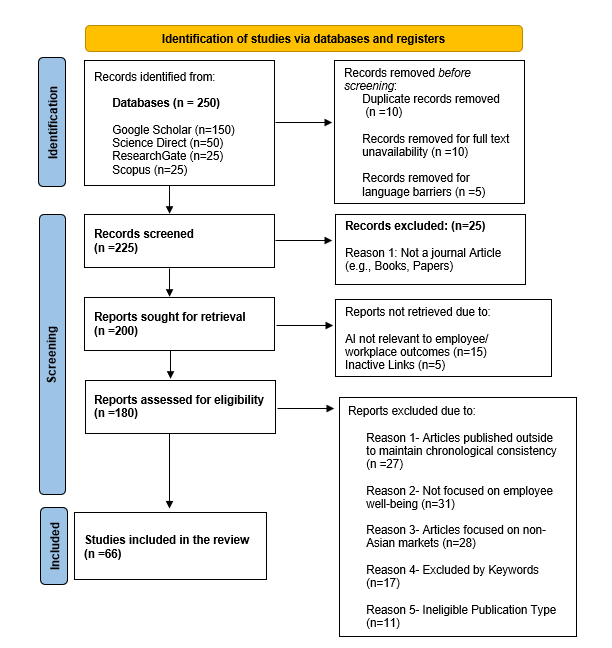
VOSviewer was used to do bibliometric analysis in addition to descriptive analysis. A popular software program for creating and displaying bibliometric networks and connections between research ideas is called VOSviewer. The current study examined topic clusters, co-authorship relationships, and keyword co-occurrence in the chosen literature using VOSviewer. While co-authorship analysis was used to look at researcher collaboration patterns, keyword analysis was utilized to find recurring concepts and the connections between key research topics. In order to determine the main themes arising from research on AI and employee well-being, the resulting network visualizations were further analyzed.
The chosen studies were methodically categorized based on their primary study subjects, employee well-being outcomes, methodology, geographic distribution, and year of publication. Afterward, thematic synthesis was employed to find recurring themes and distinctions in the literature. Recurring issues like job uncertainty, stress, mental health, emotional exhaustion, work engagement, job satisfaction, resilience, creativity, organizational support, and human-AI collaboration received special focus. In order to provide a general overview of the evolution of research on AI and employee well-being in the Asian area, the results were then compared across nations and methodological approaches.
Google My Maps, a web-based geospatial visualization tool, was used to map the country and institutional affiliation data taken from the dataset in order to show the geographic distribution of the evaluated literature. First, a structured CSV (comma-separated values) file was created, linking the country field to each of the 66 included studies. Each row in this file represented a different country or place connected to a study's authorship or institutional affiliation. Afterwards, this file was imported into Google My Maps, which used its built-in location-matching feature to translate country names into corresponding physical coordinates, then automatically geocoded each location entry and plotted it as a separate marker on a global map. This method eliminated the need for manual coordinate plotting and allowed for the direct visualization of the spatial distribution of contributing nations and organizations. In addition to the frequency-based distribution shown in the accompanying bar chart (Figure 6: Countries of Publication), the resulting maps (Figure 7: Regional Insights) and (Figure 8: Distribution of Universities Represented by Authors) offer a geographic overview of the origins of the reviewed research by highlighting the scope rather than the volume of worldwide research coverage on this subject.
4. Bibliometric Review
The quantitative content of the literature contained in this SLR was methodically examined using bibliometric analysis. This report offers insight into the intellectual framework and development of research on the effects of artificial intelligence on employee well-being by presenting publication patterns, authors, journal credibility, and geographical insights.
4.1. Chronological Analysis
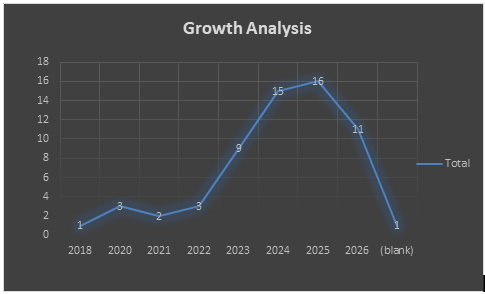
The chronological analysis shows that research on AI and worker well-being is becoming more and more popular. Between 2018 and 2022, publication production was comparatively modest, with one publication in 2018 and two to three publications per year between 2020 and 2022. The COVID-19 pandemic, which increased organizational reliance on digital technologies and remote working during this time, offers a crucial backdrop for later studies on AI and worker wellbeing. Publication increases became much more noticeable starting in 2023, reaching a peak of 16 publications in 2025 after rising to 9 publications in 2023 and 15 in 2024. This significant rise indicates that while businesses continued to embrace and incorporate cutting-edge technologies into workplace procedures, academic interest in the connection between AI and employee-related outcomes grew after the pandemic. Despite the fact that 11 publications were reported in 2026, this number should not be taken as a decrease in research interest because it can represent an incomplete publishing year at the time of data collection. Overall, the temporal pattern shows how the consequences of AI and technology-driven workplace transformation for employee well-being are receiving more scholarly attention.
4.2. Distribution of journals included in the Systematic Literature Review
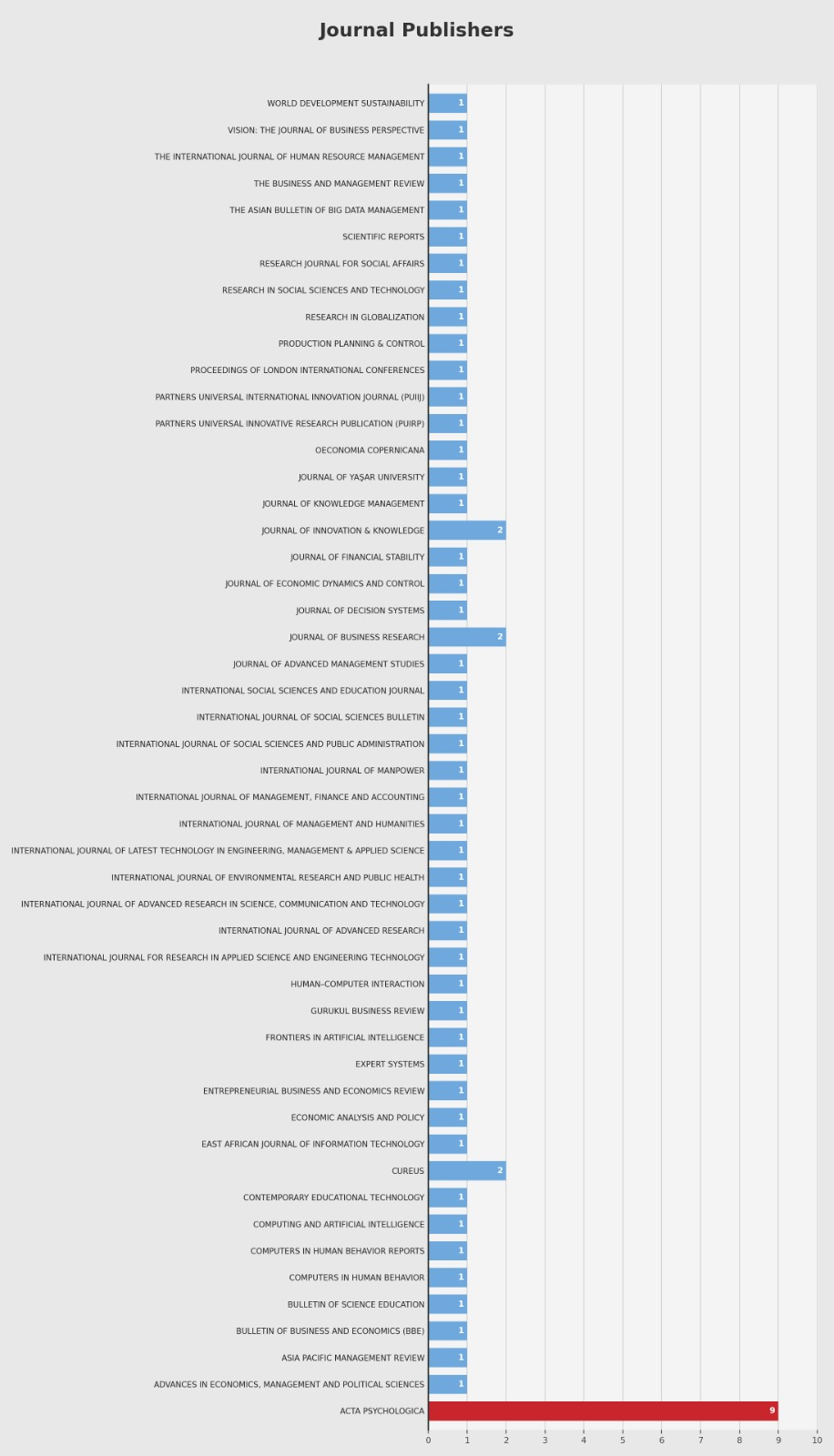
The sought studies have been distributed over 21 different academic journals, as the chart illustrates. With nine articles in the sample, Acta Psychologica is the main publication venue. The remaining 17 journals each contributed one publication, whereas Cureus, Journal of Business Research, and Journal of Innovation & Knowledge produced two publications apiece. This distribution shows a wide, interdisciplinary spread across business, technology, and health sciences, as well as a predominant concentration in psychological research. The primary publication, which is Acta Psychologica, accounts for 9 articles and has maintained chronological consistency within the review scope, proving that this field of research is active.
4.3. Sites of Publication
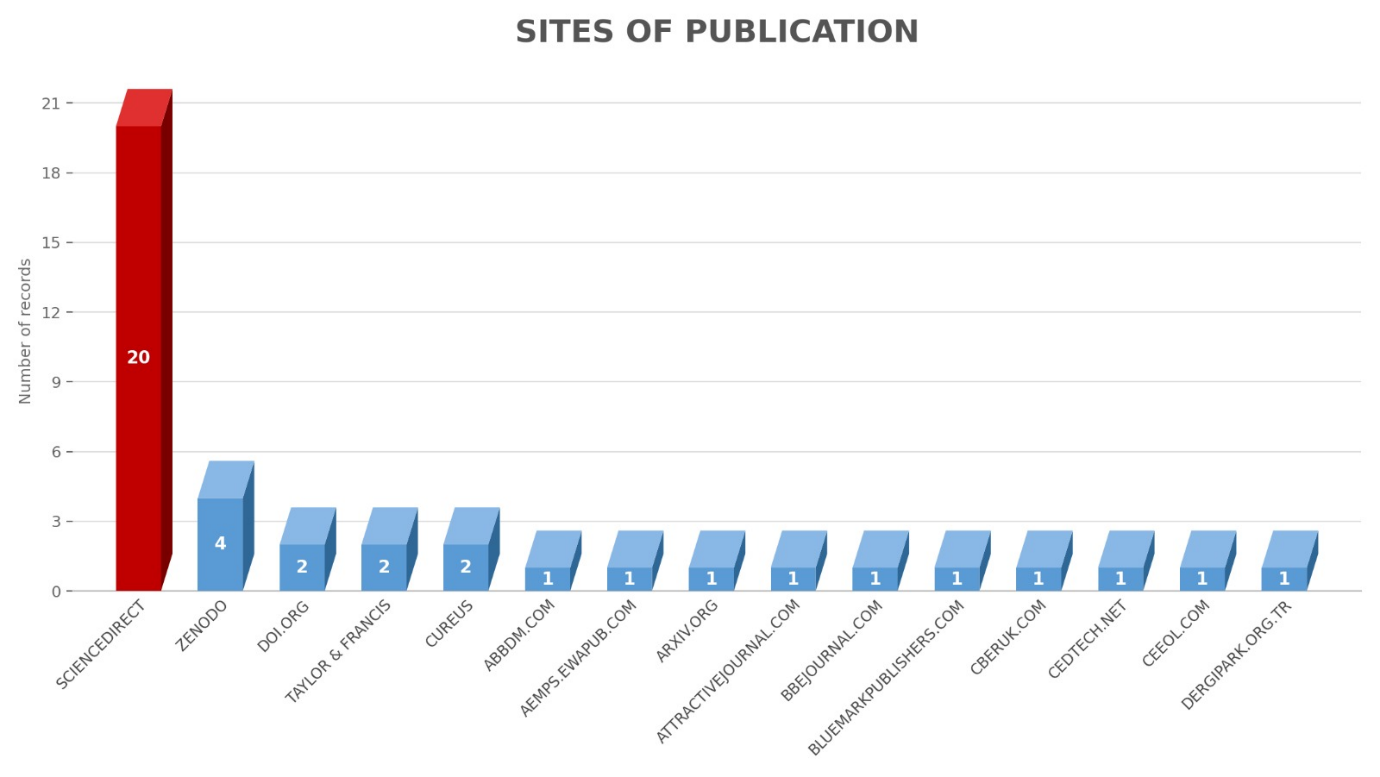
Strong foundational credibility and widespread open-access inclusion are highlighted by the distribution of publication sites. A significant amount of the dataset consists of peer-reviewed literature published in reputable, high-impact commercial journals, as seen by the high concentration of publications on ScienceDirect (n = 20) and Taylor & Francis (n = 2). At the same time, the presence of repositories such as arXiv (n = 1) and Zenodo (n = 4) indicates the inclusion of preprints, grey literature, or open-access research artefacts. This balance calls for both thorough scholarly validation and an inclusive retrieval approach that captures new or unconventional research outputs.
4.4. Most Influential Authors
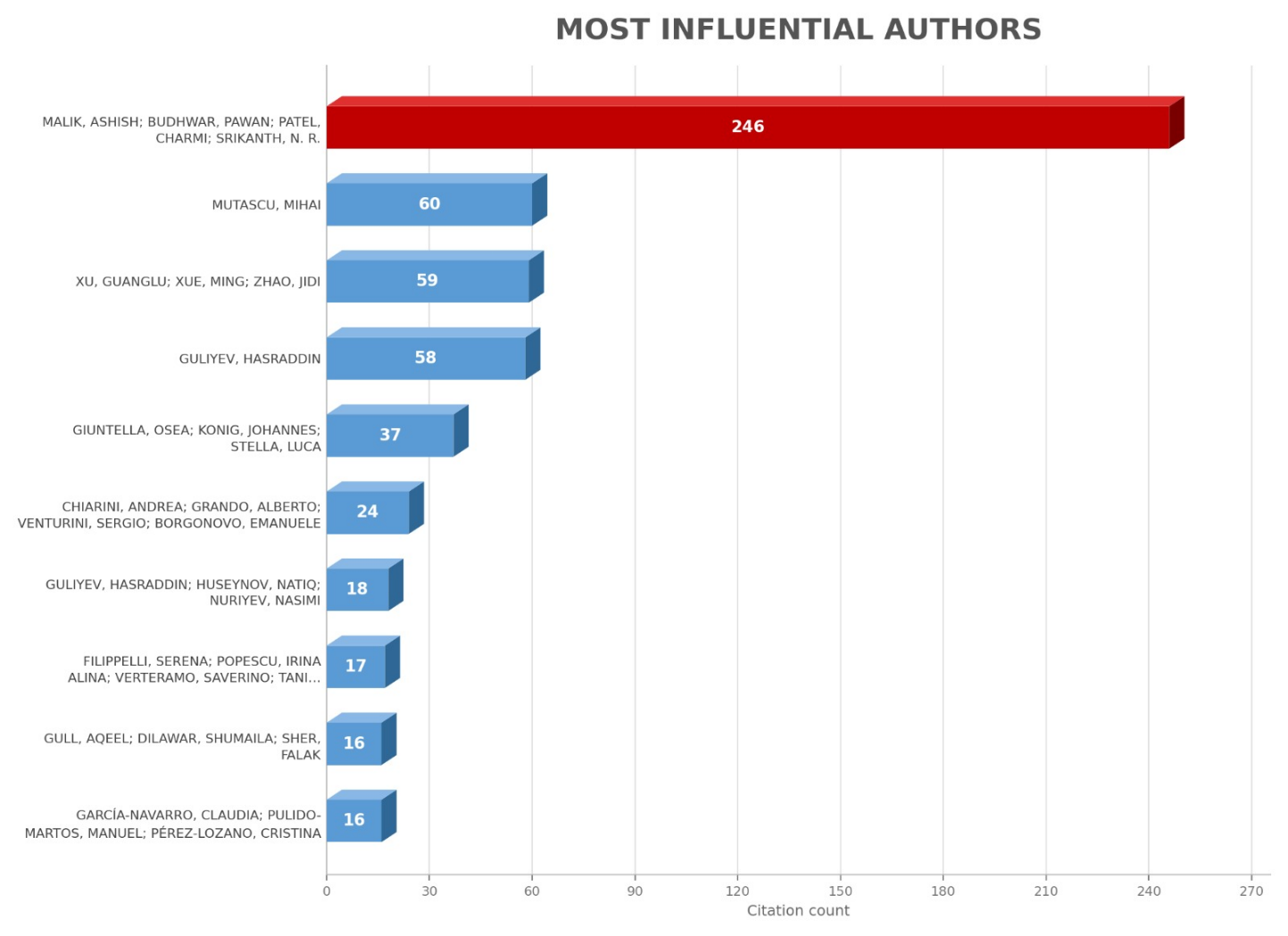
A list of writers who are thought to be very prominent in the fields of Artificial Intelligence and employee well-being was found by analyzing the citations of the 66 selected articles. The number of times their theoretical and empirical contributions were used in various works served as the basis for measuring their influence.
4.4.1. Top Tier Influence
With 246 citations, Malik, Budhwar, Patel, and Srikanth (2020) are in a class of their own, more than 15 times the average of the other nine papers and about four times more than the next closest work. A single paper this prevalent typically indicates that it either created a widely used framework or was published early enough in the literature on AI and work to become the standard citation for anybody new to the topic. In practical terms, this study is probably a foundational reference in your review; rather than being merely one data point among others, expect it to influence the terminology, theoretical framework, or research concerns that many of the other 34 studies build upon.
4.4.2. Second Tier Influence
With 60 citations, Mutascu (2021) leads the second tier, slightly ahead of Xu, Xue & Zhao (59), and Guliyev (58). The three are close enough to be considered co-leading voices in this tier rather than one paper dominating the others, but Mutascu's slight advantage and earlier publication year suggest it may be the more reputable reference point of the three. Giuntella, Konig & Stella (37), Chiarini et al. (24), Guliyev, Huseynov & Nuriyev (18), Filippelli et al. (17), Gull, Dilawar & Sher (16), and García-Navarro et al. (16) are the remaining second-tier authors. They trail off rather evenly rather than sharply, indicating a large, still-developing body of supporting literature. Since none of these studies have the same level of group dominance as Mutascu, Xu et al., or Guliyev, it is better to think of them as supporting data that is dispersed throughout multiple research teams rather than as individually significant works.
4.5. Countries of Publication
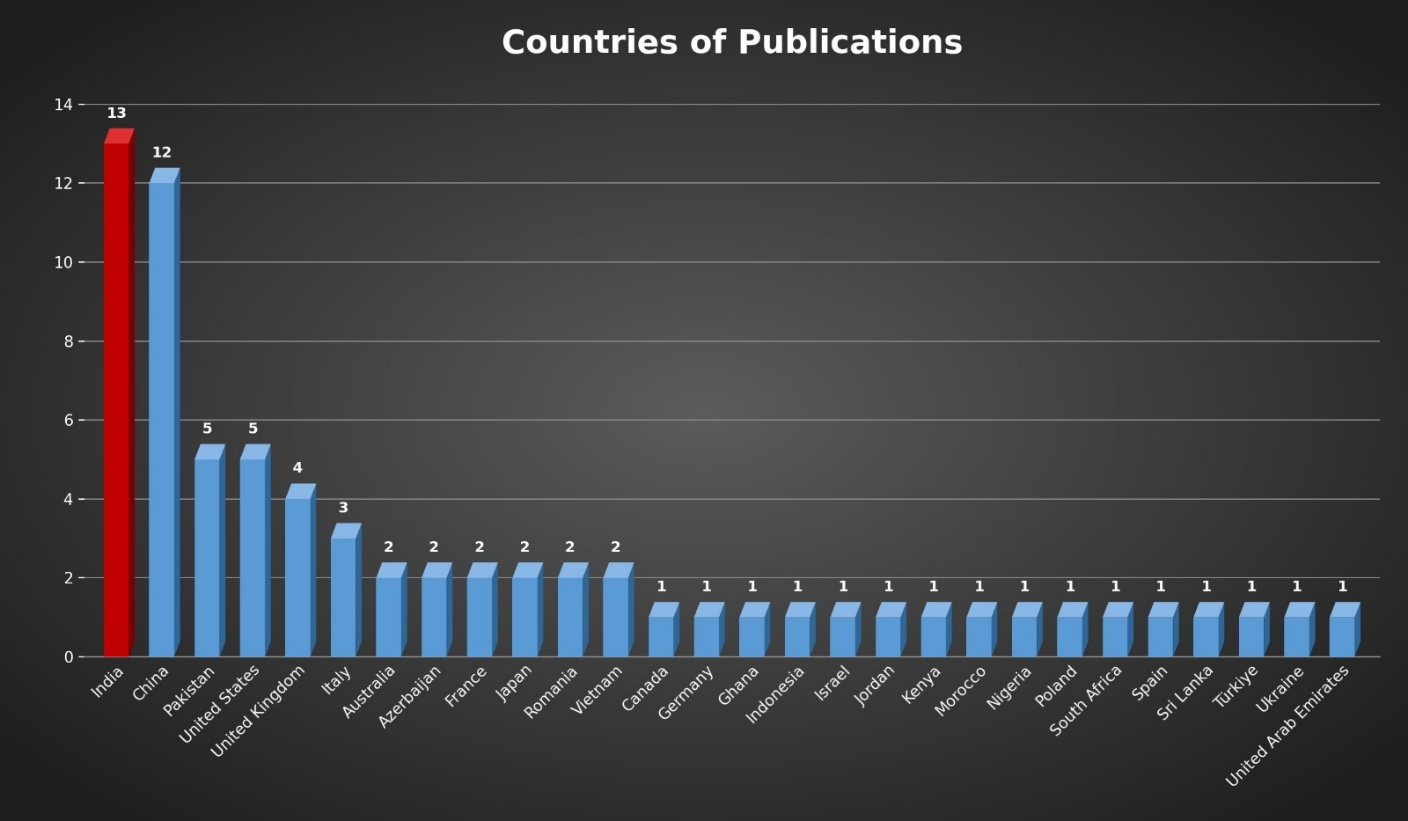
The country data shows a highly concentrated pattern of research output, with India (13 records) and China (12 records) together accounting for about a third of all country mentions across the dataset. This indicates that these two significant research economies have a strong interest in the workforce impact of AI. The distribution then sharply tails off into 22 countries, each contributing just one or two records, ranging from Australia and Vietnam to single entries from Canada, Ghana, and the United Arab Emirates. The second, smaller cluster consists of Pakistan and the United States (5 each), the United Kingdom (4), and Italy (3). This long-tail pattern is typical of a developing, globally dispersed study topic: the majority of the literature is driven by a small number of countries, with the remainder reflecting sporadic, one-time contributions rather than ongoing research initiatives. It is also noteworthy that the overall number of countries mentions (70) is higher than the number of records with country data (59) due to the fact that numerous articles have co-authors from multiple countries. This indicates that these figures represent both raw publication volume and international collaboration.
4.5.1 Regional Insights
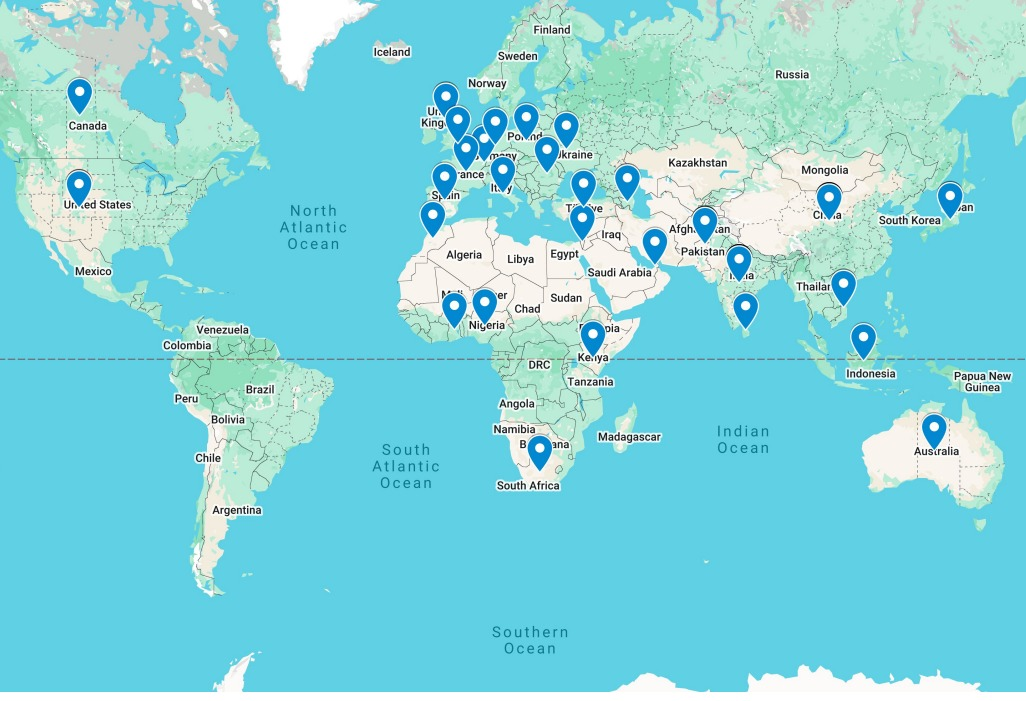
Figure 7 shows the geographic distribution of the included works, which shows that research on this subject comes from a wide but uneven range of nations on six continents. A nearly continuous band that stretches from the United Kingdom and Spain through Central and Eastern Europe (including Poland, Ukraine, and Romania) into the Middle East and South and East Asia (including Pakistan, India, China, Japan, and South Korea) is where the greatest concentration of contributing nations is found. According to this pattern, the relationship between worker outcomes and artificial intelligence has garnered the most consistent scholarly interest in these areas. On the other hand, African contributions are still few and geographically scattered, with isolated studies from Nigeria, Ghana, Kenya, South Africa, and Morocco, while North American presence is restricted to the United States and Canada. Australia is the only contributing nation in Oceania. Interestingly, no South American studies were found in the examined literature, suggesting a possible lack of regional coverage. Because each country is represented consistently regardless of the number of related studies, it should be noted that this geographic mapping reflects the breadth of country representation rather than publication volume; the accompanying frequency distribution Figure 6 offers a more volume-sensitive interpretation.
4.6. Distribution of Universities Represented by Authors
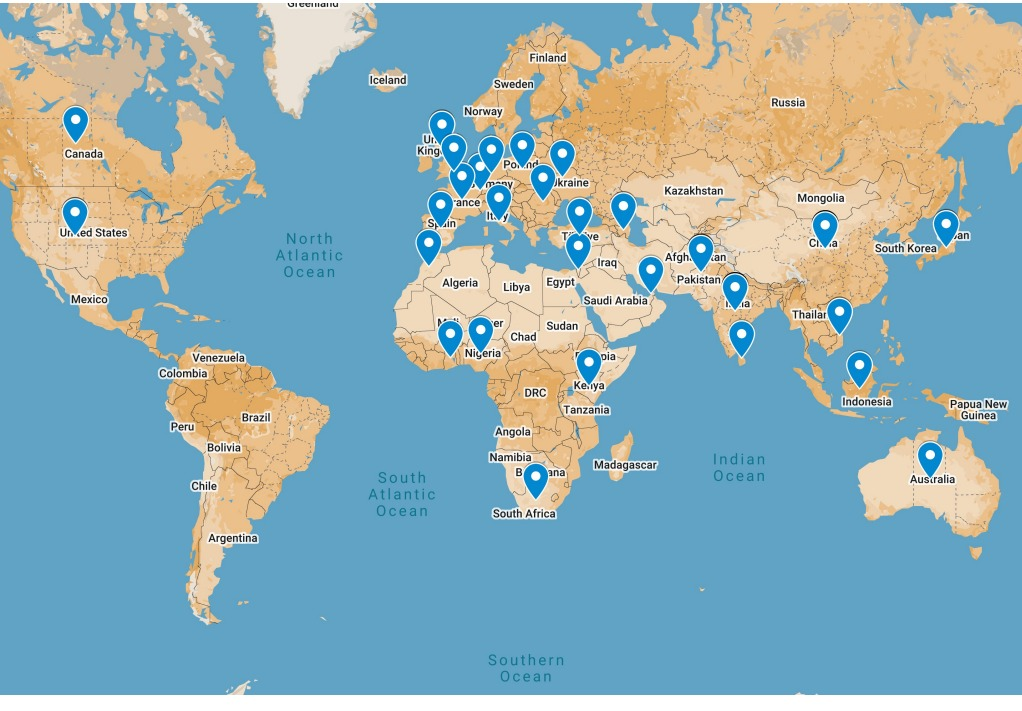
Figure 8 shows the nations where the connected universities of the examined studies are located, together with the geographic distribution of participating academic institutions. A nearly continuous band that stretches from the United Kingdom and Spain through Central and Eastern Europe (including Poland and Ukraine) into the Middle East and South and East Asia (including Pakistan, India, China, Japan, and South Korea) shows a clear clustering of institutional representation throughout Europe and Asia. This pattern implies that universities in these areas have been especially active in producing research on the relationship between workforce outcomes and artificial intelligence, which may indicate a stronger institutional capacity for research or a greater strategic focus on this developing field. While African universities that contribute to this corpus of literature are still few and geographically scattered, with isolated institutions found in Nigeria, Kenya, and South Africa, institutional participation from North America is restricted to universities in Canada and the United States. The only contributing nation in Oceania is Australia, and no South American universities were found among the linked institutions, suggesting a possible lack of institutional diversity and global representation in the body of current work. The accompanying distribution chart Figure 8 offers a more detailed, frequency-based interpretation of institutional contribution because this mapping shows the extent of institutional geographic reach rather than research output volume, with each country represented uniformly regardless of the number of affiliated studies.
4.7. Methodologies
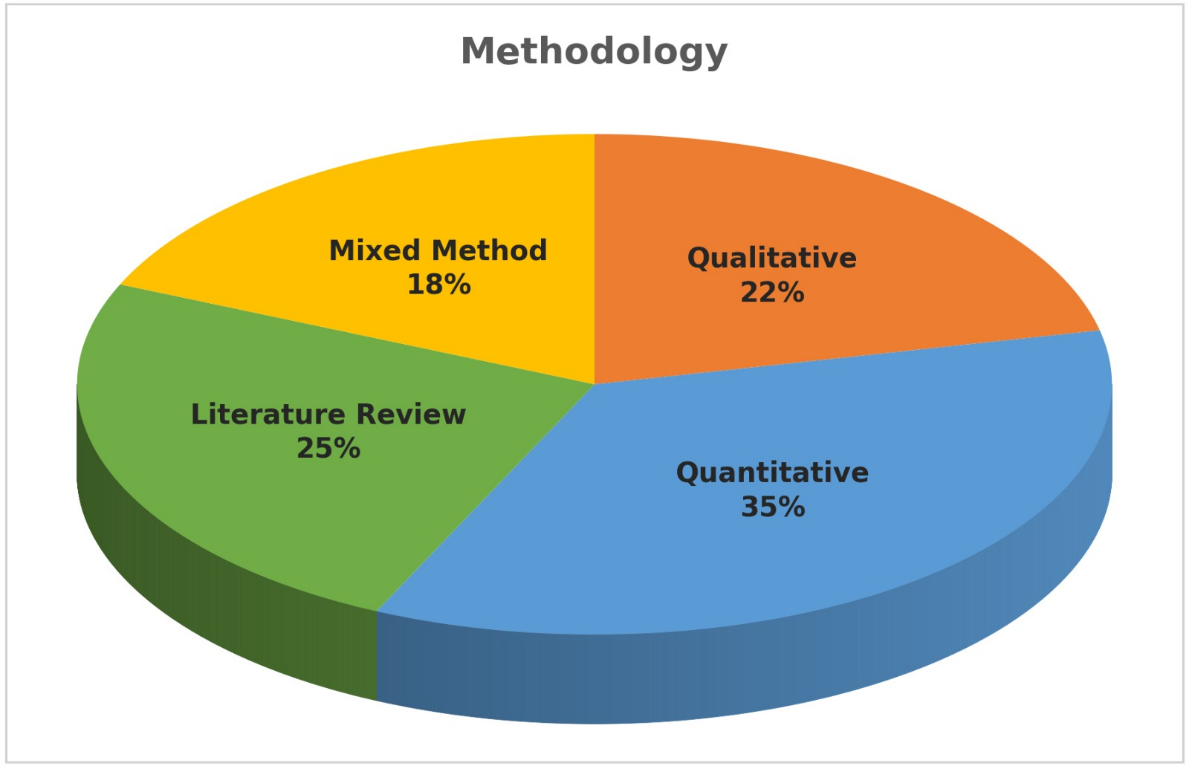
The above figure illustrates the methodological makeup of the evaluated literature and shows that quantitative approaches predominate, making up 35% of the included research. This implies that the main mode of inquiry within this body of research is empirical, data-driven investigations—likely using statistical analysis, surveys, or experimental designs—reflecting a broader disciplinary emphasis on quantifiable, generalizable findings regarding the relationship between artificial intelligence and workforce outcomes. A significant amount of scholarly output in this field is devoted to synthesizing and consolidating existing knowledge rather than producing new empirical evidence, which may reflect the relative novelty and quick evolution of the subject area. Literature reviews make up the second-largest category at 25%. A significant, and smaller, corpus of research examining contextual, experiential, or interpretive aspects of AI's impact on workers and organizations is indicated by the fact that qualitative studies make up 22% of the examined publications. Mixed-method studies make up the smallest percentage (18%), indicating that combining quantitative and qualitative methods in a single study is still extremely unusual. This could be because such designs need more methodological complexity and resources. When considered collectively, this distribution shows that the field is methodologically biased toward quantitative and review-based research, with relatively less reliance on qualitative and integrative mixed-method designs. This could be a pathway for future methodological diversification in this field of study.
4.8. Keyword Occurrence
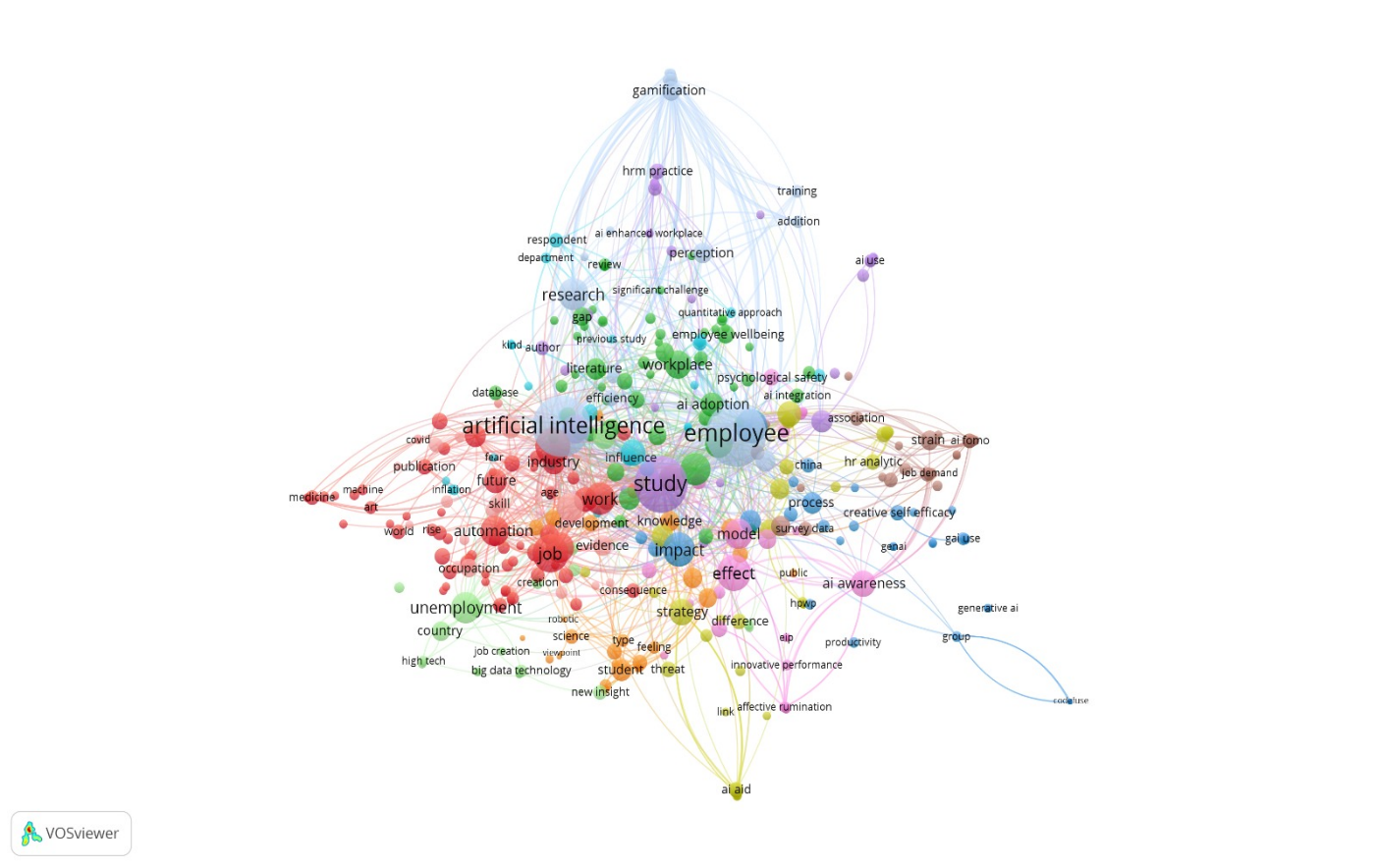
The VOSviewer-generated keyword co-occurrence network visualization is presented in Figure 6. On this map, circles represent individual keywords employed across the studies. The connections between these keyword circles depict the associations or relationships between them. Furthermore, a circle's size on the map is proportional to the frequency of that keyword's occurrence within the various studies; larger circles denote higher incidence (Peiris et al., 2026). Notably, "artificial intelligence" appears as the largest circle, indicating its highest frequency in the research. This finding is consistent with its inclusion as a primary search term in our investigation. The diverse coloring of the circles within the visualization map further indicates the organization of keywords into discrete categories. Every combination of these keywords comes together to create a single theme.
| Color | Main Theme | Keywords |
| Red | AI, automation, employment and labor-market transformation | Artificial intelligence, job, work, automation, unemployment, occupation, industry, future, skill, fear, COVID, machine, job creation |
| Green | AI adoption, workplace and employee well-being | Workplace, AI adoption, employee well-being, psychological safety, efficiency, AI-enhanced workplace, knowledge, perception |
| Blue | AI applications, impact and performance outcomes | China, creative self-efficacy, generative AI, productivity, GAI use, public, HR analytics, job demand, model |
| Purple | Employee perceptions, AI awareness and organizational/HR practices | Perception, HRM practice, gamification, training, AI use, AI awareness, AI integration, innovative performance, affective rumination |
| Yellow | AI-related strategies, threats and individual responses | strategy, threat, AI aid, link, affective rumination, innovative performance |
| Brown | AI-related work demands, strain and HR analytics | HR analytics, job demand, creative self-efficacy, AI integration |
| Light Blue | Research methods, workplace studies and emerging AI applications | Quantitative approach, survey data, training, generative AI, AI-enhanced workplace |
4.9. Co-author Occurrence
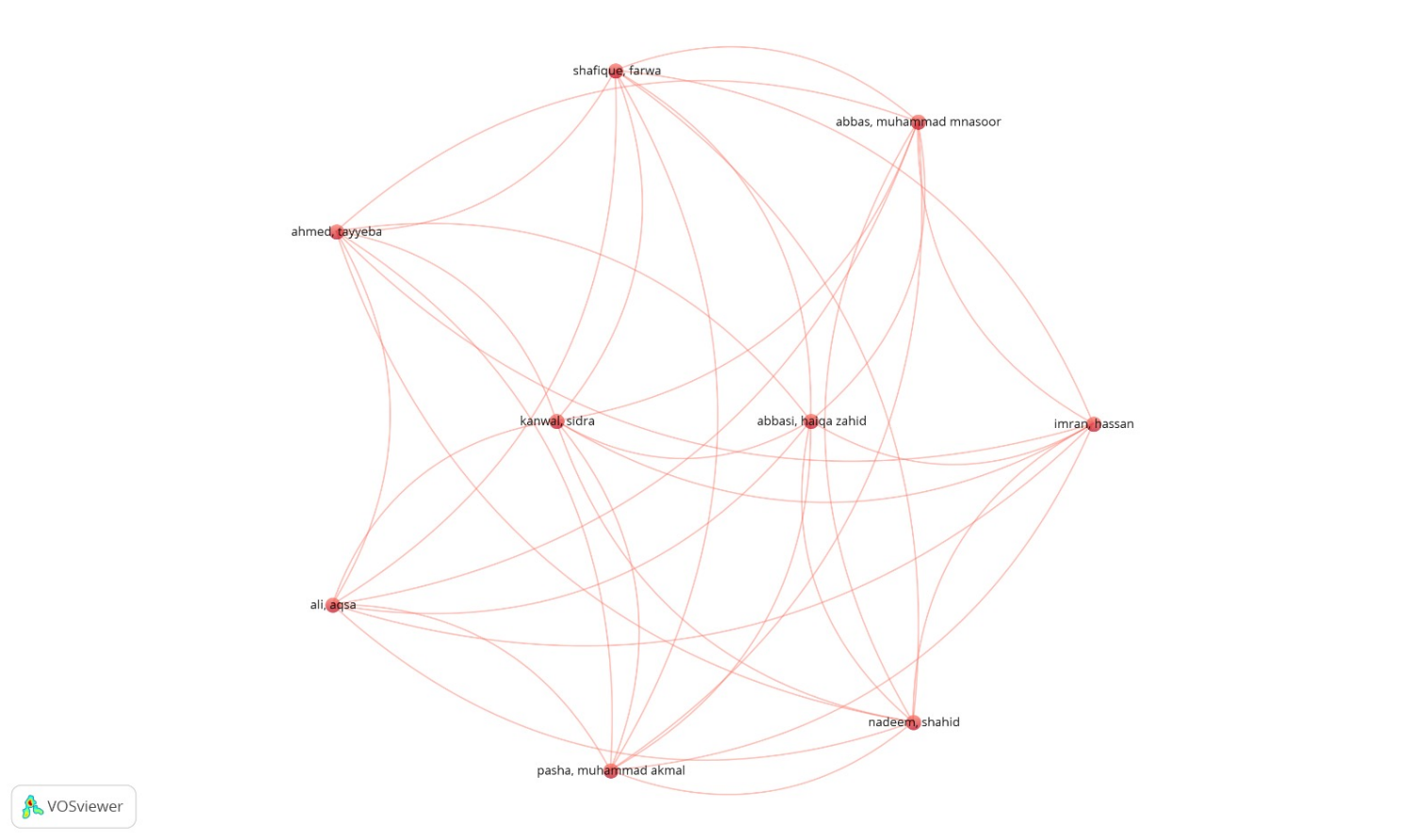
Using VOSviewer, a co-authorship network analysis was carried out to look at collaborative authorship trends in the examined literature (van Eck & Waltman, 2010). Nine authors—Shafique, F.; Abbas, M.M.; Ahmed, T.; Kanwal, S.; Abbasi, H.Z.; Imran, H.; Ali, A.; Nadeem, S.; and Pasha, M.A.—are shown in the resulting network, which is shown in Figure 11. Each author is represented as a node of uniform size and color, signifying an equivalent number of co-authorship connections. This cluster appears to be a single cooperatively authored study rather than a larger, multi-study co-authorship network, as evidenced by the network's remarkable full interconnectedness, where each author is connected to every other author. This pattern is indicative of a close-knit research team structure, which is typical of empirical investigations with numerous participants in data collection, analysis, and paper production.
4.10. Thematic Analysis
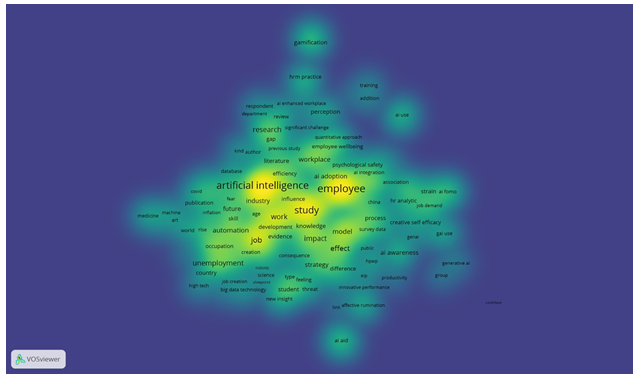
In addition to the network visualization, a density visualization was created using VOSviewer to show the prominence and concentration of important phrases in the reviewed literature in Figure 12. In this visualization, term density is represented by color intensity; darker (blue/purple) areas reflect sparser, more peripheral terms, while brighter (yellow) areas show a higher frequency and closer grouping of related keywords. The terms "artificial intelligence," "employee," "study," and "job" form a clear high-density core on the map, indicating that these are the key and most frequently occurring topics in all of the analyzed research. A wider zone of moderate density surrounds this core and includes similar themes like "workplace," "automation," "unemployment," and "impact," which represent secondary but significantly relevant areas of study.
5. Research Gaps
Four main research gaps population, empirical, methodological, and practice gaps are identified by analyzing 66 chosen papers that were published between 2020 and 2026. Even though there is a growing body of research on artificial intelligence (AI) and employee well-being, there are still many unexplored areas, especially when it comes to employee experiences, long-term results, research methodologies, and the practical application of findings.
The studied literature also indicates that the various employee categories impacted by AI require more attention, which creates a population gap. Whether AI-related experiences vary among industries, occupational groupings, and employee roles is not entirely explained by current research. More research is specifically required among Sri Lankan corporate workers, including workers in various industries and organizational contexts. A better knowledge of how workers deal with job instability, technostress, and shifts in workplace well-being may be gained by looking at these populations.
The research now available does not adequately explain how various AI-related aspects affect employee well-being, despite increased scholarly interest. The consequences of generative AI, AI awareness, workplace surveillance, and affective rumination have not gotten as much attention as job instability, technostress, and psychological health. This leads to an empirical gap in the current study. Furthermore, it is challenging to ascertain whether AI-related stress and shifts in job security are transient reactions or long-term consequences due to the paucity of longitudinal data. Therefore, more empirical research is required to investigate these linkages and the elements such as organizational support, employee resilience, and training that may lessen adverse consequences.
An imbalance in the reviewed literature is found by the methodological analysis, creating a methodological gap. 35% of the publications are quantitative, followed by mixed-method studies at 18%, literature reviews at 25%, and qualitative research at 22%. This distribution shows that more methodological diversity is required, especially when it comes to strategies that integrate quantifiable results with employees' individual experiences. Understanding how employee well-being develops over time as AI gets more incorporated into the workplace is also hampered by the limited usage of longitudinal designs. To gain a more thorough and trustworthy knowledge of these consequences, future research should use longitudinal and mixed-method approaches.
Even though current research emphasizes both the advantages and difficulties of AI, more work is required to convert study results into practical workplace procedures. Businesses may gain from AI through increased creativity, productivity, and information exchange, but workers may also face concerns about workplace surveillance, technostress, and job insecurity, creating a practical gap in the current study. However, further research is required to determine which organizational strategies work best for resolving these issues. Future studies should look at how organizations may use AI while safeguarding the psychological wellbeing of their workforce through transparent AI implementation, employee participation, reskilling opportunities, leadership support, and well-being initiatives.
Four significant research gaps were found in the examination of the 66 chosen papers: methodological, population, geographical, and empirical gaps. The geographic disparity illustrates how research is concentrated in nations like China and India, while a number of other Asian nations are still under-represented in the body of current literature. The population disparity emphasizes how little is known about how AI impacts various industries, occupational positions, and workforce groups, especially corporate workers in Sri Lanka. The empirical gap suggests that further research is required to comprehend the long-term effects of AI-related elements on employee well-being, such as job insecurity, technostress, and workplace surveillance. The imbalance in research methodologies and the underutilization of longitudinal and mixed-method designs, which impede a deeper comprehension of employees' experiences and long-term consequences, are the causes of the methodological gap. By filling in these gaps, we can gain a more thorough picture of how AI affects worker well-being in various Asian contexts. Future studies should also examine how responsible AI implementation, employee training, and organizational support might lessen possible detrimental effects on workers' well-being.
6. Discussion
The results indicate that, especially in recent years, there has been an increasing interest in the connection between employee well-being and artificial intelligence (AI). This rise is a reflection of the increasing use of AI in the workplace and the need to comprehend how it affects workers. Research on AI and workers has clearly increased, especially after 2020, according to Soulami et al. (2024). According to the examined research, AI can affect workers' well-being in both positive and bad ways. Positively, AI can foster innovation, creativity, knowledge exchange, and employee engagement. While Yin et al. (2025) emphasized AI's significance in knowledge renewal and employee creative performance, Olan et al. (2023) discovered that it can facilitate organizational knowledge sharing. In a similar vein, Aulia and Lin (2025) discovered that technological assistance and human-AI cooperation can enhance worker engagement and well-being.
However, a number of studies point to the detrimental effects of AI adoption. Among the main problems noted in the research are job insecurity, stress, emotional weariness, and mental health disorders. While Pham et al. (2026) discovered that AI-enabled job complexity can contribute to emotional weariness and turnover intention, Gull et al. (2023) connected AI identity threat with affective job insecurity and decreased employee well-being. These results suggest that AI could put workers under more psychological and professional strain. Employee perceptions of AI are also influenced by organizational variables. According to Soomro et al. (2024), organizational assistance can lessen the detrimental consequences of AI worry on workers' well-being. In a similar vein, handling AI-related workplace changes has been found to depend on employee capabilities, resilience, leadership, and training (Nadeem et al., 2025). This implies that the introduction and management of AI technology by organizations have an impact on employee well-being in addition to AI itself. The thematic findings also demonstrate the need to research employee well-being, job instability, stress, mental health, work engagement, and organizational support. These themes align with those described by Soulami et al. (2024) as important issues in AI workplace study, including employee stress, mental health, work autonomy, and ethical concerns. Thus, rather than having a single result, employee well-being should be seen as a multifaceted term.
7. Limitations
First, the dataset's temporal breadth is concentrated in recent years, with only 6 of the 66 included articles published before 2022 and 83% published after 2023, thereby excluding earlier theoretical and historical perspectives on automation and employment.
Second, the chosen studies exhibit a methodological imbalance, with quantitative research accounting for 35% of the total, followed by literature reviews at 25%, qualitative studies at 22%, and mixed-method designs at just 18%. This imbalance limits integrative insight into both measurable and experiential employee outcomes.
Thirdly, the lack of experimental or longitudinal studies, which is a direct result of the field's recent emergence, exacerbates this methodological imbalance and makes it challenging to ascertain if the effects of AI on workers are short-term or long-term.
Fourth, there is little geographic representation; China (12 records) and India (13 records) combined account for more than one-third of all country mentions; South America is not represented, and African contributions are still dispersed throughout isolated single-country studies.
Fifth, rather than a diversified cross-institutional network, the co-authorship bibliometric map shows a narrow, fully connected cluster of nine authors consistent with a single collaborative study, which raises the risk of bias toward particular theoretical or methodological approaches.
Lastly, the keyword occurrence analysis reveals that emerging constructs like "generative AI," "AI awareness," and "affective rumination" remain peripheral and under-represented, indicating limited thematic depth on the mechanisms most pertinent to current AI-driven workplace disruption, while established themes like "artificial intelligence," "employee," and "unemployment" form dense, well-developed clusters.
8. Future Research Directions
Understudied Asian and South Asian contexts, including corporate workers and other organizational settings, require more study. Although AI and employee well-being have been studied in several nations, including China, India, Vietnam, Indonesia, and Pakistan, disparities in organizational and technological contexts remain significant (Soomro et al., 2024; Aulia & Lin, 2025). In order to determine whether variations in industry, organizational climate, and technical maturity affect employees' experiences with AI, future study in Sri Lanka could compare workers in Colombo and Gampaha. To comprehend how employee well-being evolves as AI adoption progresses over time, further long-term study is required. Longitudinal study can record changes in employees' experiences as they continue to work with AI technology, whereas cross-sectional studies offer results at a certain point in time (Stamate et al., 2021; Xiao et al., 2023). The integrated relationship between AI exposure, job insecurity, technostress, autonomy, and psychological well-being, as well as potential mediating and moderating factors like organizational support, resilience, and AI awareness, could be investigated in future research (Gull et al., 2023; Soomro et al., 2024; Arboh et al., 2025).
Future studies ought to cover a wider range of sectors, such as professional services, manufacturing, banking, healthcare, logistics, and telecommunications. Because the degree and kind of AI deployment varied across industries, diverse work settings may result in different employee experiences with AI. Research has previously shown how crucial it is to look at AI-related employee outcomes in a variety of organizational and professional contexts (Shaikh et al., 2023; Pham et al., 2026).
Lastly, future studies should look at the ethical and responsible application of AI in the workplace, with a focus on accountability, transparency, fairness, privacy, employee engagement, and workplace monitoring. In AI and employee research, ethical issues have grown in importance, especially when it comes to how AI systems impact employee autonomy, security, and trust (Soulami et al., 2024; Xiao et al., 2023). The development of AI application strategies that strike a balance between technical innovation and worker well-being may be aided by more research in these fields.
9. Conclusion
This study focused on the effects of Artificial Intelligence on employee well-being in the context of the research, Colombo and Gampaha, Sri Lanka with emphasis on company employees (Baadshah, 2025). This is where AI has been proven to be a significant transformation in the way work is done these days, affecting the way tasks are organized, decision-making is done, the skills of employees, expectations, and the processes of the organization. The following review is a testament to the various ways in which AI affects employees. On the other hand, AI can reduce repetitive tasks, enhance data accessibility, aid decision making, boost productivity, and enable novel ways of human-AI interaction. The advent of AI can also foster job insecurity, technostress, emotional exhaustion, and skills pressure and monitoring and autonomy concerns.
The five clusters of keywords also highlight the connections between AI and employee well-being, such as: technological transformation, psychological impacts, job security, technological needs and organizational governance. The JD-R approach is useful to provide a theoretical account for the phenomenon as AI can provide resources as well as create new job demands (Gambacorta et al., 2024). Overall, the results suggest that the impact of AI is not solely driven by the technology itself, but also by the way that organizations implement, regulate and foster AI adoption. For this reason, factors such as training, organizational support, fair implementation, communication and involvement of workers can have a significant impact in enabling sustainable AI-powered workplaces (Pham et al., 2026).
References
- Alawiye, P. O., Ishola, S., Okpara, B. I., Osakwe, C. C., & Odig, P. E. (2025). Leadership, culture, and employee wellbeing in dealing with artificial intelligence and its complexities: Effects on mental health in the workplace. International Social Sciences and Education Journal, 3(4), 114–130. DOI ↗ Google Scholar ↗
- Ali, T., Hussain, I., Hassan, S., & Anwer, S. (2024). Examine how the rise of AI and automation affects job security, stress levels, and mental health in the workplace. Bulletin of Business and Economics, 13(2), 1180–1186. DOI ↗ Google Scholar ↗
- Amogh Amol Karangutkar. (2023). The impact of artificial intelligence on job displacement and the future of work. International Journal of Advanced Research in Science, Communication and Technology, 3(1), 635–638. DOI ↗ Google Scholar ↗
- Arora, N., & Deswal, P. (2024). Employee well-being an outcome of workplace sprituality: Mediating role of artificial & emotional intelligence with job satisfaction. Gurukul Business Review, 20(1). DOI ↗ Google Scholar ↗
- Artificial intelligence and workforce transformation: An analysis of employment disruption and adaptation strategies. (2025). International Journal of Latest Technology in Engineering, Management & Applied Science, 14(8), 493–501. DOI ↗ Google Scholar ↗
- Awan, S. N., & Muhammad, G. (2026). Deriving personalized HRM practices using employee-AI collaboration: A shared mental model approach. Acta Psychologica, 267, Article 107029. DOI ↗ Google Scholar ↗
- Baadshah, M. (2025). Navigating job loss due to artificial intelligence: Global trends, Asian perspectives, and the Indian scenario. Journal of Advanced Management Studies, 2(3), 37–53. DOI ↗ Google Scholar ↗
- Bayar, C., Panugaling, J., Lotf, A., & Arslan, E. (2024). Consequences of AI in the workforce: How AI is taking our jobs. Proceedings of London International Conferences, 12, 70–81. DOI ↗ Google Scholar ↗
- Bhagatt, S. V., & Kanyal, D. (2024). Navigating the future: The transformative impact of artificial intelligence on hospital management - A comprehensive review. Cureus, 16(2), Article e54518. DOI ↗ Google Scholar ↗
- Bhattad, P. B., & Jain, V. (2020). Artificial intelligence in modern medicine – The evolving necessity of the present and role in transforming the future of medical care. Cureus, 12(5), Article e8041. DOI ↗ Google Scholar ↗
- Chiarini, A., Grando, A., Venturini, S., & Borgonovo, E. (2024). Do automation and AI impact on job reduction? A study on perceived risk of losing job among white-collars in the Italian manufacturing companies. Production Planning & Control, 35(16), 2198–2211. DOI ↗ Google Scholar ↗
- Department of Commerce, I. G. N. T. U., Gill, M. A., Mathur, P. A., Department of Commerce, C. U. H., & Bhadouria, P. S. S. (2024). Investigating emotional intelligence and employees' well-being in an AI-enhanced workplace. International Journal of Management and Humanities, 10(9), 7–12. DOI ↗ Google Scholar ↗
- Du, J. (2024). The impact of artificial intelligence adoption on employee unemployment: A multifaceted relationship. International Journal of Social Sciences and Public Administration, 2(3), 321–327. DOI ↗ Google Scholar ↗
- Faculty of Commerce and Business Administration, F. U. I. E., & Menawy, S. M. A. E. (2022). Analyzing employees’ perceptions of using artificial intelligence and gamification in HRM practices on employee’s job insecurity. The Business and Management Review, 13(2). DOI ↗ Google Scholar ↗
- Farooqi, D., Pu, G., Paudel, S., Sultana, S., & Ahmed, S. I. (2026). Job anxiety in post-secondary computer science students caused by artificial intelligence (arXiv Preprint arXiv:2601.10468). arXiv. DOI ↗ Google Scholar ↗
- Filippelli, S., Popescu, I. A., Verteramo, S., Tani, M., & Corvello, V. (2026). Generative AI and employee well-being: Exploring the emotional, social, and cognitive impacts of adoption. Journal of Innovation & Knowledge, 11, Article 100844. DOI ↗ Google Scholar ↗
- Frank, M. R. (2025). AI exposure predicts unemployment risk: A new approach to technology-driven job loss. PNAS Nexus. DOI ↗ Google Scholar ↗
- Gambacorta, L., Qiu, H., Shan, S., & Rees, D. M. (2023). Generative AI and labour productivity: A field experiment on coding. Journal of Financial Stability. DOI ↗ Google Scholar ↗
- García-Navarro, C., Pulido-Martos, M., & Pérez-Lozano, C. (2024). The study of engagement at work from the artificial intelligence perspective: A systematic review. Expert Systems, 41(11), Article e13673. DOI ↗ Google Scholar ↗
- George, D. A. S. (2024). Bracing for the coming AI tsunami: Preparing the global workforce for displacement and inequality in the age of accelerating technological advancement. Partners Universal Innovative Research Publication, 2(3), 126–146. DOI ↗ Google Scholar ↗
- George, D. A. S., Baskar, T., & Siranchuk, D. N. (2025). Navigating the AI disruption: Strategic frameworks for workforce transformation and innovation in the age of intelligent automation. Partners Universal International Innovation Journal, 3(3), 83–95. DOI ↗ Google Scholar ↗
- Giuntella, O., Konig, J., & Stella, L. (2025). Artificial intelligence and the wellbeing of workers. Scientific Reports, 15(1), Article 20087. DOI ↗ Google Scholar ↗
- Guliyev, H. (2023). Artificial intelligence and unemployment in high-tech developed countries: New insights from dynamic panel data model. Research in Globalization, 7, Article 100140. DOI ↗ Google Scholar ↗
- Guliyev, H., Huseynov, N., & Nuriyev, N. (2023). The relationship between artificial intelligence, big data, and unemployment in G7 countries: New insights from dynamic panel data model. World Development Sustainability, 3, Article 100107. DOI ↗ Google Scholar ↗
- Gull, A., Dilawar, S., & Sher, F. (2023). Data-driven artificial intelligence at the crossroads: Investigating the role of affective job insecurity in the relationship between artificial intelligence identity threat and employee well-being. The Asian Bulletin of Big Data Management, 3(1), 18–34. DOI ↗ Google Scholar ↗
- Huang, X., Yang, F., Zheng, J., Feng, C., & Zhang, L. (2023). Personalized human resource management via HR analytics and artificial intelligence: Theory and implications. Asia Pacific Management Review, 28(4), 598–610. DOI ↗ Google Scholar ↗
- İşcan, E. (2021). Yeni Çağda Eski Bir Sorun: Endüstri 5.0 Yolunda Yapay Zekanın İşsizliğe Etkileri [An old problem in the new age: Effects of artificial intelligence on unemployment on the way to Industry 5.0]. Journal of Yaşar University, 16(61), 77–94. DOI ↗ Google Scholar ↗
- Jangid, A. (2024). AI and employee wellbeing: How artificial intelligence can monitor and improve mental health in the workplace. International Journal of Advanced Research, 12(10), 743–764. DOI ↗ Google Scholar ↗
- Jena, M. C., Mishra, S. K., & Moharana, H. S. (2025). The way forward to overcome challenges and drawbacks of AI. Computing and Artificial Intelligence, Article 1581. DOI ↗ Google Scholar ↗
- Kaaria, A. G. (2024). Artificial intelligence and employee well-being: Balancing technological progressions with human-centric workplace strategies, a research agenda. East African Journal of Information Technology, 7(1), 355–365. DOI ↗ Google Scholar ↗
- Kao, W. (2024). Impaction of artificial intelligence on the labor market. Advances in Economics, Management and Political Sciences, 84(1), 24–29. DOI ↗ Google Scholar ↗
- Köhler, C., & Hartig, J. (2024). ChatGPT in higher education: Measurement instruments to assess student knowledge, usage, and attitude. Contemporary Educational Technology, 16(4), Article ep528. DOI ↗ Google Scholar ↗
- Kudoh, N., & Miyamoto, H. (2025). Robots, AI, and unemployment. Journal of Economic Dynamics and Control, 174, Article 105069. DOI ↗ Google Scholar ↗
- Mabungela, M. (2023). Artificial intelligence (AI) and automation in the world of work: A threat to employees? Research in Social Sciences and Technology, 8(4), 135–146. DOI ↗ Google Scholar ↗
- Malik, A., Budhwar, P., Patel, C., & Srikanth, N. R. (2020). May the bots be with you! Delivering HR cost-effectiveness and individualised employee experiences in an MNE. The International Journal of Human Resource Management, 31(22), 2874–2900. DOI ↗ Google Scholar ↗
- Malik, N., Tripathi, S. N., Kar, A. K., & Gupta, S. (2022). Impact of artificial intelligence on employees working in Industry 4.0 led organizations. International Journal of Manpower, 43(2), 334–354. DOI ↗ Google Scholar ↗
- Mondrus, O., & SimanTov-Nachlieli, I. (2025). Predicting decision-makers' coping strategies in human-AI conflict based on the link between personality traits and cognitive AI appraisals: A quantitative study of U.S. employees using AI at work. Computers in Human Behavior Reports, 20, Article 100857. DOI ↗ Google Scholar ↗
- Morikawa, M. (2017). Who are afraid of losing their jobs to artificial intelligence and robots? Evidence from a survey (RIETI Discussion Paper Series 17-E-069). Research Institute of Economy, Trade and Industry. Google Scholar ↗
- Mu, X., Zheng, J., Liu, Y., & Luo, J. (2026). Humanizing or mechanizing the self? How mindset moderates AI usage on employee self-perception and job crafting. Acta Psychologica, 266, Article 106916. DOI ↗ Google Scholar ↗
- Mutascu, M. (2021). Artificial intelligence and unemployment: New insights. Economic Analysis and Policy, 69, 653–667. DOI ↗ Google Scholar ↗
- Nadeem, S., Pasha, M. A., Ahmed, T., Shafique, F., Kanwal, S., Imran, H., Abbas, M. M., Abbasi, H. Z., & Ali, A. (2025). Impact of AI driven work environments on employee wellbeing: The role of organizational support. Research Journal for Social Affairs, 3(6), 1029–1036. DOI ↗ Google Scholar ↗
- Natia, S. (2025). Economics. Zenodo. DOI ↗ Google Scholar ↗
- Nguyen, M., Ferm, L. C., & Ngo, L. V. (2026). AI is taking my job! Task programmability and employee job thriving in the age of AI. Journal of Business Research, 210, Article 116119. DOI ↗ Google Scholar ↗
- Ojiyi, G. K. (2023). Job security in the artificial intelligence and automation era. ResearchGate. DOI ↗ Google Scholar ↗
- Olan, F., Nyuur, R. B., Arakpogun, E. O., & Elsahn, Z. (2023). AI: A knowledge sharing tool for improving employees’ performance. Journal of Decision Systems, 33(4), 700–720. DOI ↗ Google Scholar ↗
- Peiris, D. P. M. S. M. (2026). Artificial intelligence and employee well-being: A systematic literature review. International Journal of Management, Finance and Accounting, 7(1), 475–505. DOI ↗ Google Scholar ↗
- Perlampura, Y. G. A., Bagis, F., Rahayu, T. S. M., & Kharismasyah, A. Y. (2025). Artificial intelligence adoption and psychological factors shaping employee mental well-being. Bulletin of Science Education, 5(3), 219–235. DOI ↗ Google Scholar ↗
- Pham, N. T., Phan, T., Nguyen, T. P. H., Tran, T. T., & Tang, A. D. (2026). AI-enabled job demands and employee well-being: Emotional exhaustion and turnover across organizational contexts. Acta Psychologica, 269, Article 107428. DOI ↗ Google Scholar ↗
- Pham, T. Q., Nguyen, T., Nguyen, H., & Le, T. D. (2026). AI awareness, AI fear of missing out, and work demotivation as pathways to occupational strain in Vietnamese hospitality employees. Acta Psychologica, 269, Article 107517. DOI ↗ Google Scholar ↗
- Robert, L. P., Pierce, C., Marquis, L., Kim, S., & Alahmad, R. (2020). Designing fair AI for managing employees in organizations: A review, critique, and design agenda. Human–Computer Interaction, 35(5–6), 545–575. DOI ↗ Google Scholar ↗
- Sandilya, G., & Shahnawaz, G. (2018). Index of psychological well-being at work—Validation of tool in the Indian organizational context. Vision: The Journal of Business Perspective, 22(2), 174–184. DOI ↗ Google Scholar ↗
- Saxena, A., Bajpai, Y., & Kumar, R. (2022). Dark side of artificial intelligence. International Journal for Research in Applied Science and Engineering Technology, 10(2), 325–327. DOI ↗ Google Scholar ↗
- Sharif, M. N., Zhang, L., Asif, M., Alshdaifat, S. M., & Hanaysha, J. R. (2025). Artificial intelligence and employee outcomes: Investigating the role of job insecurity and technostress in the hospitality industry. Acta Psychologica, 253, Article 104733. DOI ↗ Google Scholar ↗
- Soulami, M., Benchekroun, S., & Galiulina, A. (2024). Exploring how AI adoption in the workplace affects employees: A bibliometric and systematic review. Frontiers in Artificial Intelligence, 7, Article 1473872. DOI ↗ Google Scholar ↗
- The impact of artificial intelligence (AI) on employees’ skills and well-being in global labor markets: A systematic review. (2023). Oeconomia Copernicana, 14(3), 731–767. https://www.ceeol.com/search/article-detail?id=1192670 Google Scholar ↗
- Valtonen, A., Saunila, M., Ukko, J., Treves, L., & Ritala, P. (2025). AI and employee wellbeing in the workplace: An empirical study. Journal of Business Research, 199, Article 115584. DOI ↗ Google Scholar ↗
- Vol. 11 No. 2 (2023): June 2023. (2023). Entrepreneurial Business and Economics Review, 11(2). DOI ↗ Google Scholar ↗
- Wang, L., Kong, J., & Zhang, M. (2026). “Thinking forward” or “dwelling on worry”: How AI awareness affects employee innovative performance via work rumination. Acta Psychologica, 266, Article 106826. DOI ↗ Google Scholar ↗
- Wang, Y., Niu, H., Zhou, H., & Wang, X. (2025). How does AI awareness enhance the innovative performance of employees? Acta Psychologica, 261, Article 105975. DOI ↗ Google Scholar ↗
- Xu, G., Xue, M., & Zhao, J. (2023). The relationship of artificial intelligence opportunity perception and employee workplace well-being: A moderated mediation model. International Journal of Environmental Research and Public Health, 20(3), Article 1974. DOI ↗ Google Scholar ↗
- Yang, Y., Yan, L., Alshuaibi, M. S. I., & Chethiyar, S. D. M. (2025). Harnessing AI-supported work environments: Unveiling micro-psychological pathways to employee eco-initiative creative behavior. Acta Psychologica, 261, Article 105869. DOI ↗ Google Scholar ↗
- Yin, J., & Hoang, K. D. (2025). AI-enabled knowledge renewal: The role of leaders’ AI attitudes and unlearning in enhancing employees’ creative performance. Journal of Knowledge Management, 30(1), 211–230. DOI ↗ Google Scholar ↗
- Yin, M., Jiang, S., & Niu, X. (2024). Can AI really help? The double-edged sword effect of AI assistant on employees’ innovation behavior. Computers in Human Behavior, 150, Article 107987. DOI ↗ Google Scholar ↗
- Zahid Iqbal, M. R. (2025). An analysis of the role of artificial intelligence in shaping unemployment trends in OECD countries. International Journal of Social Sciences Bulletin, 3(7), 643–657. DOI ↗ Google Scholar ↗
- Zhang, C., & Liu, L. (2026). AI-enabled HR analytics and work engagement: Work digital pressure and employee resilience as mediators and inclusive leadership as a moderator. Journal of Innovation & Knowledge, 18, Article 101081. DOI ↗ Google Scholar ↗
- Zhang, W., Zhang, X., Li, F., Zeng, X., & Wu, J. (2026). Cognitive gains and addictive losses: The double-edged sword of Generative AI on employee creative thinking. Acta Psychologica, 268, Article 107324. DOI ↗ Google Scholar ↗