Abstract
This study aims to analyze the development of literature on the role of local wisdom in improving the competitiveness of Rural Credit Institutions (LPD) and cooperatives through a systematic literature review period 2010-2025. Using a bibliometric methodology with the help of VOSviewer software, the study mapped keyword networks, chronological trends, and topic density in academic discourse. The results of network visualization analysis show that local wisdom is the central axis that connects financial performance with institutional sustainability in Indonesia. Overlay visualization analysis reveals a shift in research trends, where the initial focus on operational stability and credit risk management is now transforming towards the integration of financial technology (fintech) and digital governance. Furthermore, the visualization of density confirms that local wisdom is not just a cultural identity, but a strategic instrument in revitalizing the rural economy. In conclusion, the competitiveness of LPD and Cooperatives in the future is determined by the ability of hybridization between traditional values as social capital with the efficiency of modern technology. This finding provides important implications for microfinance institution managers to maintain local values in order to achieve sustainable financial inclusion in the midst of global market competition.
Keywords
local wisdom competitiveness LPD Cooperative VOSviewer Rural Revitalization.
Introduction
In recent decades, community-based financial institutions such as cooperatives and Village credit institutions (LPD) have played a strategic role in promoting financial inclusion, local economic empowerment, and strengthening community social resilience. Cooperatives, for example, have been shown to contribute significantly to the development of human resources, increased financial literacy, and empowerment of vulnerable groups in various regions . Meanwhile, LPD as a financial institution based on indigenous villages in Bali has a unique characteristic because it not only serves as an economic institution, but also as a support for social, cultural, and religious activities of Indigenous people .
Amidst the dynamics of globalization and increasingly intense economic competition, the competitiveness of microfinance institutions is an important issue that has received widespread attention in the academic literature. Recent research shows that the competitiveness of microfinance institutions is strongly influenced by factors such as leadership, intellectual capital, business capabilities, and financial literacy . However, the dominant approach in these studies tends to focus on managerial and formal economic aspects, with relative disregard for the socio-cultural dimension that is the main foundation for community-based institutions such as LPD and cooperatives.
In the context of Indonesia, especially Bali, the existence of local wisdom is a crucial element in shaping governance, social trust, and the sustainability of microfinance institutions. Local wisdom not only serves as a normative value, but also as a social control mechanism that strengthens organizational governance and increases public confidence in the institution. Previous studies have shown that local wisdom plays a role in improving the sustainability of microfinance institutions through strengthening governance and social relationships among stakeholders .
However, there are significant research gaps in the literature. First, most research on cooperatives and microfinance institutions in Indonesia is still partial and fragmented. Recent systematic literature studies show that cooperative research tends to focus on specific aspects such as financial literacy, organizational performance, or MSME empowerment, without integrating the cultural dimension as the main variable . In addition, research linking cooperatives to the Sustainable Development agenda (SDGs) is still very limited, thus indicating the need for a more comprehensive approach . Second, the study of LPD is still dominated by a case study approach or local empirical analysis that has not been integrated in a broader conceptual framework. In fact, LPD is unique as a custom-based financial institution that is not owned by other financial institutions, so it has the potential to make a significant theoretical contribution to the development of culture-based microfinance literature. However, until now, there have not been many studies that systematically examine the relationship between local wisdom and LPD competitiveness in a comparative perspective with cooperatives. Third, there are gaps in the use of research methods, especially the systematic literature review (SLR) approach in assessing this topic. Most studies still use quantitative approach or case studies, while SLR approach that is able to provide a comprehensive mapping of the development of the literature is still relatively limited . In fact, SLR has the advantage of systematically identifying patterns, trends, and research gaps, so that it can provide a stronger foundation for theory and policy development. Fourth, the integration between economic and socio-cultural perspectives in explaining the competitiveness of microfinance institutions is still not optimal. The literature tends to separate economic approaches (such as efficiency, profitability, and business capabilities) from socio-cultural approaches (such as local beliefs, norms, and values). In fact, in the context of community-based institutions, the two dimensions are interrelated and inseparable. This shows the need for a multidisciplinary approach that is able to integrate both perspectives holistically.
Based on these gaps, the study offers some novelty. First, this study integrates the concept of local wisdom as the main variable in analyzing the competitiveness of LPD and cooperatives. In contrast to previous research that emphasizes more on economic and managerial aspects, this study places local wisdom as a source of competitive advantage that is intangible but strategic. Second, this study uses a systematic literature review approach to comprehensively map the development of literature related to local wisdom, cooperatives, and LPD. This approach allows the identification of research patterns, theoretical gaps, as well as future research development opportunities in a more systematic and structured manner. Third, this study develops a conceptual framework that links local wisdom with the competitiveness of microfinance institutions through mechanisms such as social trust, community-based governance, and institutional sustainability. This framework is expected to make a theoretical contribution to the development of microfinance literature, especially in the context of developing countries that have local cultural wealth. Fourth, this study also provides a practical contribution by offering strategic implications for LPD managers and cooperatives in utilizing local wisdom as a source of competitive advantage. In the context of globalization, where many financial institutions face high competitive pressures, the utilization of local values can be an effective differentiation strategy.
Thus, this study not only fills the gaps in the literature, but also contributes to the development of theories and practices related to the role of local wisdom in improving the competitiveness of microfinance institutions. An integrative and systematic literature-based approach is expected to produce a more comprehensive understanding and provide new directions for research and policy in this area.
Literature Review
The Systematic literature review (SLR)
Systematic literature review (SLR) is a research method used to identify, evaluate, and synthesize literature in a systematic and transparent manner. SLRs have the advantage of providing a comprehensive overview of research developments, as well as identifying gaps and future research directions . In the context of this study, SLR is used to assess the relationship between local wisdom and competitiveness of LPD and cooperatives. This approach allows researchers to integrate findings from previous studies, resulting in a more holistic and evidence-based understanding. Nevertheless, the use of SLR in the study of culture-based financial institutions is still relatively limited. Therefore, this study is expected to make a methodological contribution to the development of literature in this area.
Local Wisdom
Local wisdom is a set of values, norms, knowledge, and practices that develop in society and are passed down from generation to generation as guidelines in social and economic life. In the academic perspective, local wisdom is often understood as part of social capital that is able to strengthen social cohesion, trust, and institutional stability . These values serve as an informal mechanism in regulating the economic behavior of society, including in financial activities. In the context of Indonesia, especially Bali, local wisdom is reflected in concepts such as Tri Hita Karana, which emphasizes the balance of the relationship between humans and God, fellow humans, and the environment. This concept is not only philosophical, but also fundamental in local economic practice, including in the management of community-based financial institutions. Research shows that the integration of local values in organizational governance can increase social legitimacy and community trust in institutions .
The Competitiveness of Microfinance Institutions
Competitiveness is the ability of an organization to maintain and improve its position in a competitive environment. In the context of microfinance institutions such as cooperatives and LPD, competitiveness is not only measured from financial performance, but also from the ability to meet the needs of members, maintain public trust, and maintain the sustainability of the institution. The literature shows that the competitiveness of microfinance institutions is influenced by various factors, such as managerial capabilities, service innovation, financial literacy, and quality of governance . In addition, the resource-based view (RBV) approach emphasizes that competitive advantages are obtained from the utilization of unique, rare, and difficult to replicate resources . Nevertheless, conventional approaches to measuring competitiveness tend to focus on formal economic aspects, such as operational efficiency and profitability. This approach often ignores the social and cultural dimensions that are the main strengths of community-based institutions. Therefore, a more holistic perspective is needed in understanding competitiveness, especially in the context of microfinance institutions in developing countries.
LembagaPerkreditanDesa (LPD)
Lembaga Perkreditan Desa (LPD) is a traditional financial institution that developed in Bali and is based on the traditional village structure (desa pakraman). LPD has a unique characteristic because it operates based on Indigenous values and strong social norms. Unlike formal financial institutions, LPD not only serves as a provider of financial services, but also as an instrument of cultural preservation and strengthening of social solidarity. Research shows that the success of LPD in maintaining the sustainability of institutions is strongly influenced by the level of public trust, community participation, and compliance with customary norms . In this case, local wisdom acts as an effective social control mechanism in reducing the risk of moral hazard and improving member discipline. In addition, LPD also shows high resilience in the face of economic crises compared to formal financial institutions . This is due to the existence of a close social relationship between managers and society, as well as a value system that encourages collective responsibility. Therefore, LPD is often used as an example of best practice in the management of community-based financial institutions.
Cooperatives as community-based economic institutions
Cooperative is a form of economic organization based on the principles of togetherness, democracy, and social justice. In the context of Indonesia, cooperatives have an important role in supporting the economic empowerment of the community, especially the MSME sector. Cooperatives also contribute to increasing financial inclusion and reducing economic inequality. The literature shows that the success of cooperatives is strongly influenced by internal factors such as management quality, member participation, and service innovation . However, external factors such as policy support, access to technology, and market conditions also have a significant influence. In some studies, cooperatives that are able to integrate local values in their operations tend to have a higher level of trust and loyalty of members. This shows that local wisdom can be a differentiating factor that increases the competitiveness of cooperatives in the midst of competition with modern financial institutions.
Research Methods
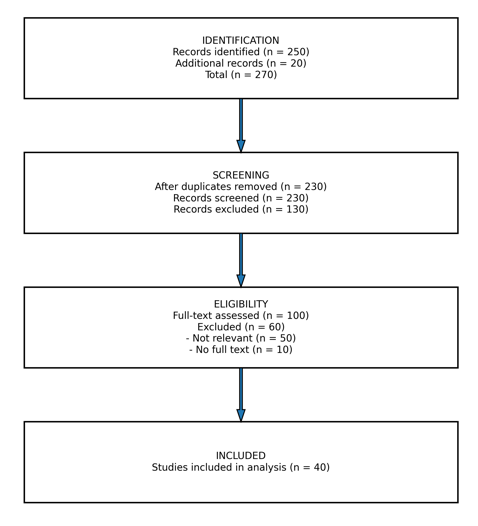
This study uses a qualitative approach with the method of Systematic Literature Review (SLR) to analyze the role of local wisdom in the competitiveness of Rural Credit Institutions (LPD) and cooperatives. The research process refers to PRISMA guidelines which includes the stages of identification, screening, eligibility, and inclusion of articles. Data were obtained from academic databases such as Scopus, ScienceDirect, SpringerLink, and Google Scholar using keywords related to “local wisdom”, “competitiveness”, “LPD”, “cooperatives”, and “microfinance institutions”. The selected literature is limited to publications in 2010-2025, available in full text, and relevant to the research topic. Data analysis was conducted using thematic analysis to identify key themes and content analysis to map research trends and gaps. Research validity is maintained through transparency of selection processes, triangulation of sources, and systematic documentation. This approach enables the preparation of a comprehensive literature synthesis on the relationship between local wisdom and the competitiveness of community-based financial institutions.
Results and discussion
Descriptive Statistics
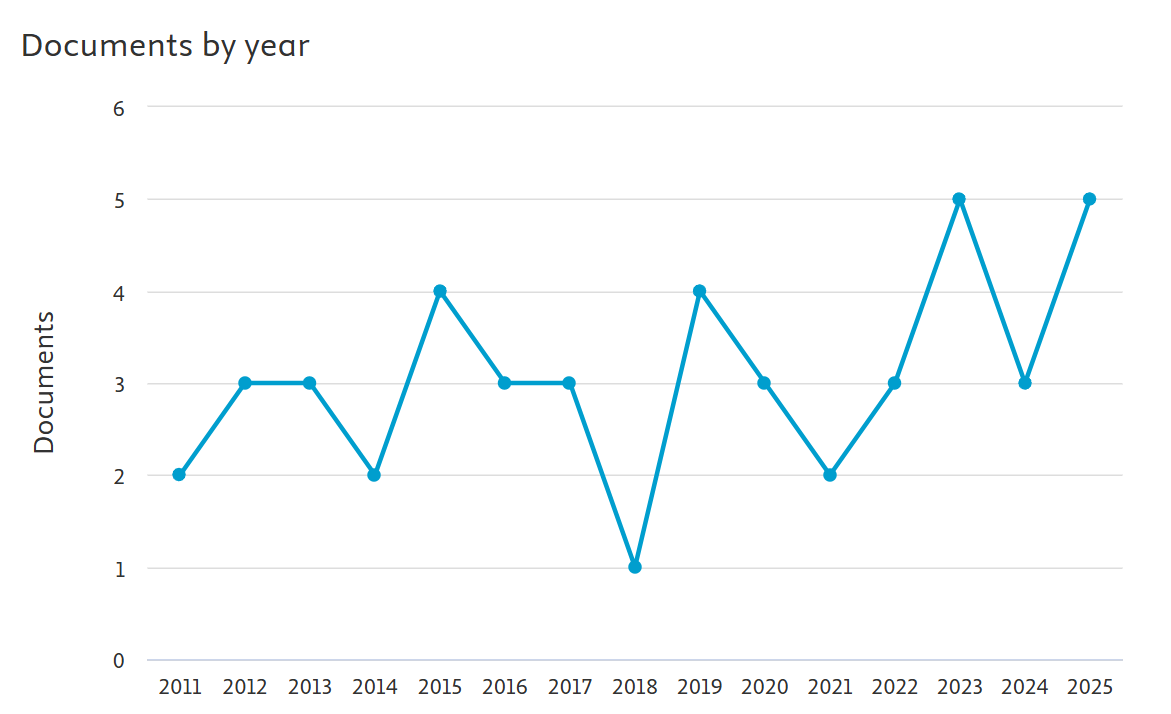
Based on the results of the systematic literature review of Scopus indexed publications, the development of the number of documents that assess the role of local wisdom in the competitiveness of LPD and cooperatives during the period 2011-2025 shows a volatile pattern but tends to increase gradually. In the initial phase (2011-2014), the number of publications was relatively limited, ranging from 2 to 3 documents per year, which indicates that this topic is not yet the main focus in the study of microfinance institutions. The increase began to be seen in 2015 and resumed in 2019 with the number of publications reaching 4 documents, although this trend has not been consistently sustained. A significant decrease in 2018, in which the number of publications reached only 1 document, indicates instability in academic attention to this topic. However, since 2020, publication trends have shown a more steady increase, with peaks occurring in 2023 and 2025, reaching 5 documents each. This pattern reflects an increase in academic interest in the integration of local wisdom values in strengthening the competitiveness of community-based financial institutions .
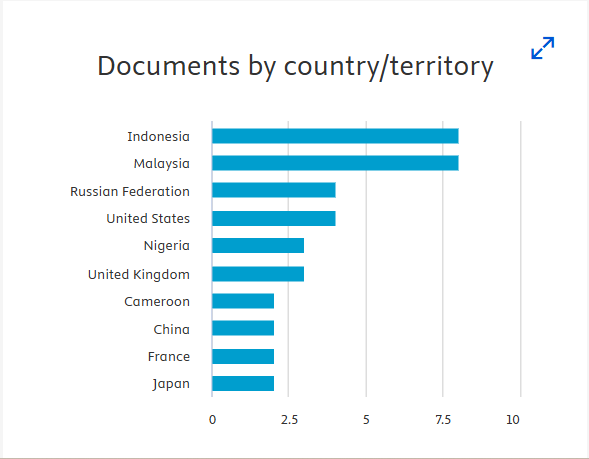
Analysis of publication distribution by country shows that the study of the role of local wisdom in the competitiveness of LPD and cooperatives is dominated by countries with community-based economic characteristics and proximity to local cultural values. Indonesia and Malaysia occupy the top positions with the highest number of publications, which reflects the strong empirical relevance of this topic in the context of Southeast Asia, especially in Indigenous-based microfinance institutions such as LPDs and cooperatives. This dominance also indicates that the practice of local wisdom has not only become a social phenomenon, but has developed into a significant object of academic study in supporting the competitiveness of the local economy .
On the other hand, contributions from countries such as Russia and the United States indicate that the issue of local wisdom is beginning to gain attention in a broader context, although not always directly related to traditional financial institutions such as LPD. This indicates the expansion of research perspectives, where local wisdom is positioned as part of Sustainable Development Strategies and strengthening community economies. Meanwhile, countries such as Nigeria, the United Kingdom, Cameroon, China, France, and Japan show relatively lower contributions, which may reflect differences in institutional contexts, a degree of dependence on local values, as well as a research orientation more focused on modern economic systems.
Critically, this geographical distribution reveals the inequality in knowledge production (knowledge gap) between developing and developed countries. On the one hand, developing countries such as Indonesia and Malaysia become centers of study because of the wealth of local wisdom practices that are still alive and integrated into the economic system. But on the other hand, the limited involvement of developed countries shows that the concept of local wisdom has not been fully integrated in the global discourse on organizational competitiveness. This opens up further research opportunities to examine how local values can be adapted or transformed in the context of modern cross-border economies .
Thus, this finding confirms that the study of local wisdom in the competitiveness of LPD and cooperatives is still contextual and geographical, so that more universal conceptualization efforts are needed in order to make a wider contribution in the international literature, especially in bridging local and global perspectives in the study of the competitiveness of microfinance institutions .
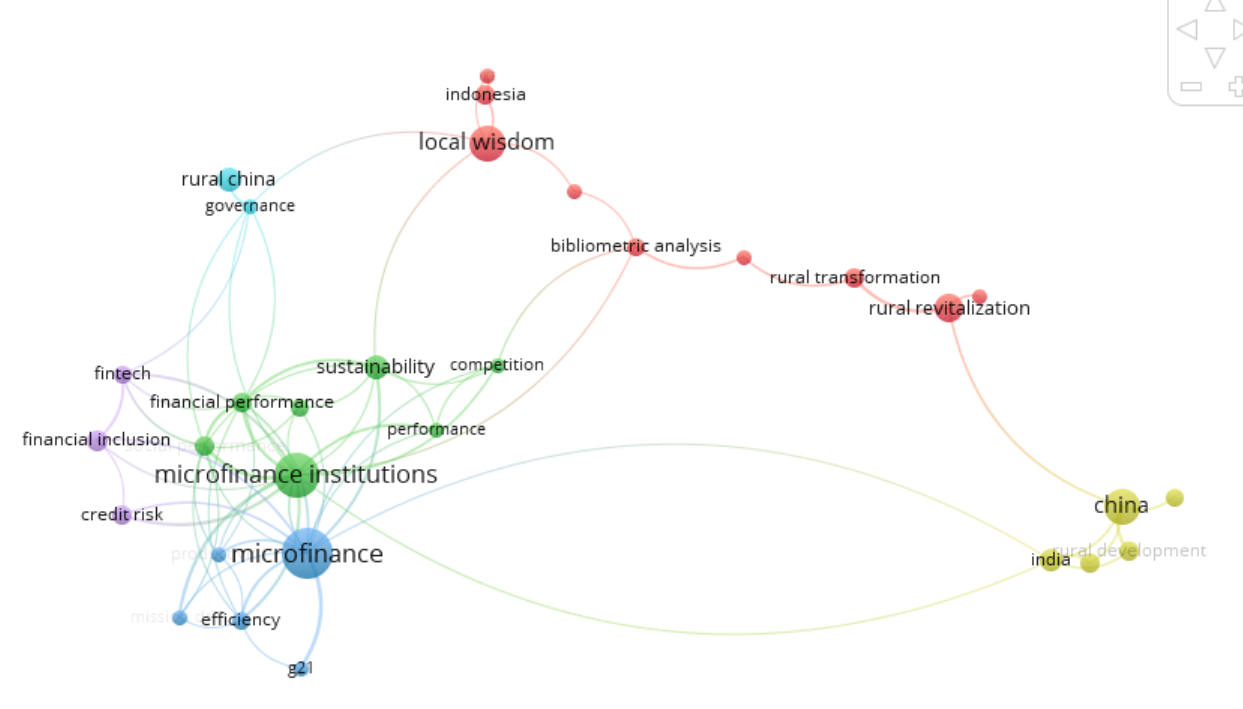
Based on the vosviewer visualization, the narrative about the role of local wisdom in the competitiveness of LPD and Cooperatives during the period 2010-2025 can be structured as follows: Literature mapping shows that Local Wisdom is the central axis that connects cultural identity with economic resilience, especially in the context of Indonesia. In this network structure, local wisdom is proven to have a very strong connection with Rural Transformation and Rural Revitalization, which indicates that the competitiveness of LPD and Cooperatives is not only measured from the profit aspect, but from its ability to move rural ecosystems through traditional values. The uniqueness of this local value into social capital that distinguishes microfinance institutions from formal banking institutions in the face of market competition .
On the other hand, the network shows a crucial integration between cultural aspects with Microfinance Institutions and Sustainability. The literature in that time span highlights that the sustainability of LPD and Cooperatives is highly dependent on how they balance Financial Performance with local wisdom-based governance. Although rooted in tradition, the emergence of Fintech and Governance clusters signals the demands of modernization. This concludes that the future competitiveness of LPD and Cooperatives lies in the hybridization between the efficiency of digital technology and the strengthening of local values to mitigate Credit Risk while increasing Financial Inclusion for rural communities .
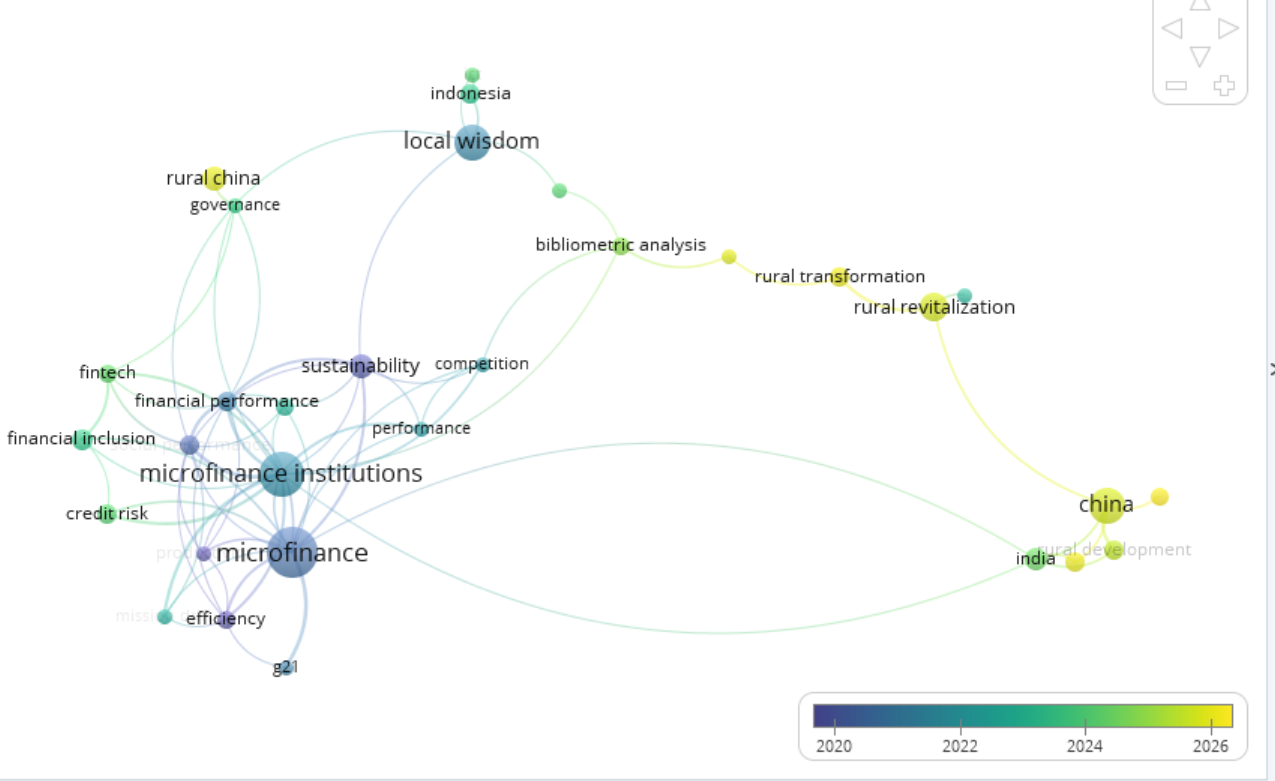
The visualization of the bibliometric network shows the evolution of a very dynamic research focus over the last few years. In general, the trend of research is shifting from strengthening institutional foundations towards digitalization and revitalization of the wider rural area. In the early period (around 2020-2021), the main focus of research was dominated by fundamental issues such as Microfinance Institutions, Sustainability, and Local Wisdom (dark blue to purple). This indicates that at that time, researchers explored how local wisdom became the main pillar for the sustainability of LPD and cooperatives in facing macroeconomic challenges. Research in this phase tends to dissect traditional values as instruments of governance and organizational resilience .
Entering the Intermediate Period (around 2022-2024), there is a shift towards managerial and technological aspects (teal to green). Keywords such as Financial Performance, Efficiency, and Financial Inclusion emerged as a bridge between local wisdom and competitiveness. Interestingly, Fintech and Governance variables began to strengthen in this period, indicating that the competitiveness of LPD and cooperatives no longer only rely on socio-cultural aspects, but also the adaptation of digital technology to improve financial inclusion and operational efficiency .
On the latest trends (2024 to 2026), the research focus extends towards social impact and Regional Development (light yellow). Keywords such as Rural Revitalization, Rural Transformation, and Rural Development are the most discussed topics. This shows that the role of local wisdom in LPD and cooperatives is now seen as the main driver in the overall economic transformation of the village. In addition, the linkages with the context of other countries such as China and India indicate that discussions about locally based microfinance institutions in Indonesia (such as LPD) are now beginning to be compared with global rural development models.
Overall, the narrative of this literature concludes that the competitiveness of LPD and Cooperatives has transformed from the mere existence of culture-based institutions into strategic instruments that integrate local wisdom with Fintech to achieve sustainable rural economic revitalization targets.
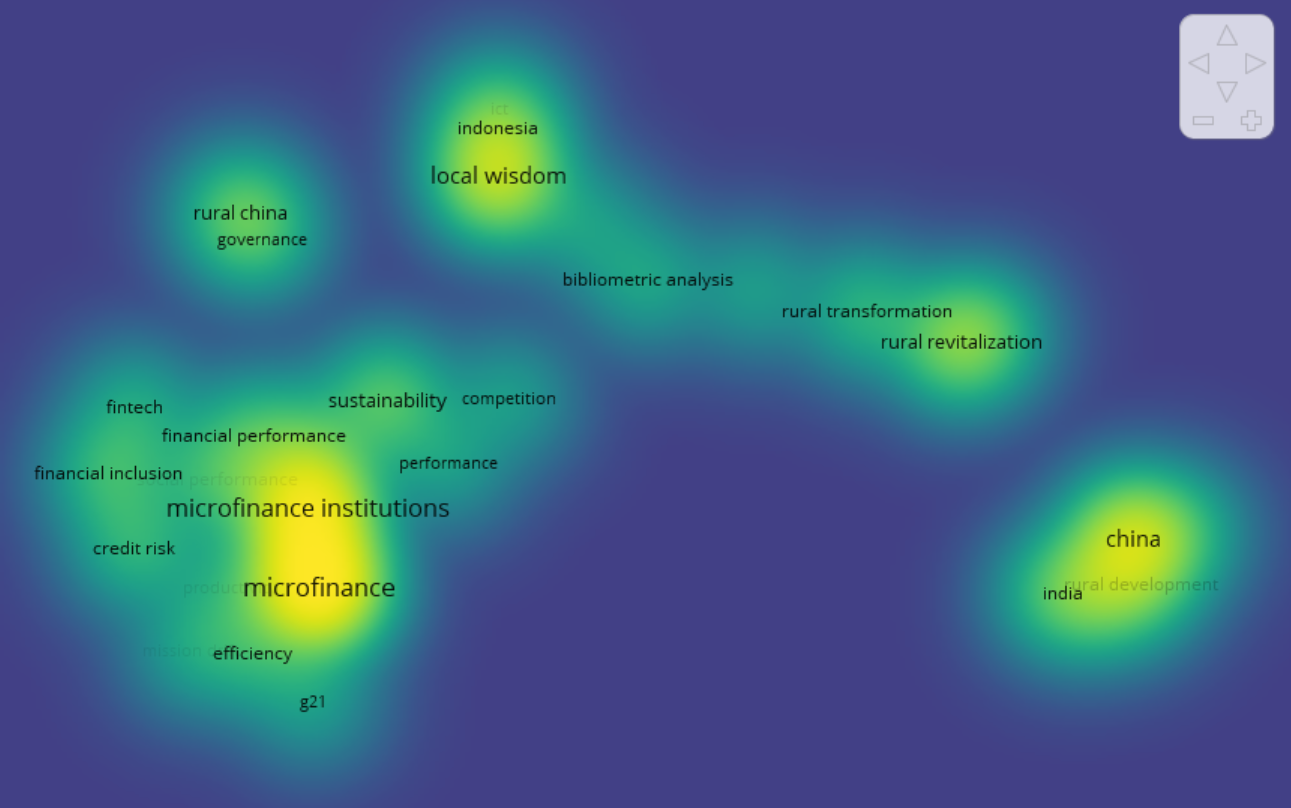
The literature density visualization shows that Microfinance Institutions and Microfinance are the main research boiling points (bright yellow area), which indicates that discussions about LPD and cooperatives are consistently reviewed within the framework of microfinance institution resilience. The main focus of competitiveness in this literature is still centered on operational stability, which includes aspects of Financial Performance, Efficiency, and credit Risk mitigation . However, the uniqueness of this map is the emergence of Local Wisdom and Indonesia as an area with significant density at the top. This confirms that in the Indonesian context, local wisdom is recognized academically as a differentiating variable that provides a competitive advantage for LPD and Cooperatives compared to other financial institutions.
Furthermore, there is a density bridge that connects aspects of local wisdom with the theme of Rural Revitalization and Rural Transformation . This narrative shows that the competitiveness of LPD and Cooperatives is now no longer only viewed from the perspective of internal profitability, but from their strategic contribution in driving economic transformation in rural areas. On the other hand, the emergence of areas that are starting to turn yellow on the topic of Fintech, Governance, and Sustainability indicates a demand for LPD and cooperatives to hybridize. The sustainability of their competitiveness in the future will largely depend on the ability of institutions to integrate local values with digital governance and Information Technology, in order to achieve wider financial inclusion and be adaptive to the Times .
Conclusion
A systematic literature review from 2010 to 2025 shows that Local Wisdom is a fundamental pillar that determines the competitiveness of LPD and Cooperatives in Indonesia. Theoretically and practically, the role of local wisdom has transformed from a mere cultural identity into a strategic instrument that strengthens governance, mitigates credit risk through a social approach, and increases customer confidence at the rural level. While financial performance and operational efficiency remain at the core of microfinance institutions ' success, the long-term sustainability of LPDs and Cooperatives relies heavily on their ability to hybridize traditional values with modernizing technologies such as Fintech. Recent trends indicate that academic discourse is now shifting towards rural revitalization, where LPD and cooperatives based on local wisdom are seen as the main drivers in the transformation of an inclusive village economy. Thus, the competitiveness of LPD and Cooperatives in the future is not only measured by the strength of capital, but also by the extent to which these institutions are able to integrate socio-cultural capital into digital governance systems to answer global economic challenges without losing their local identity.
References
- Al-Khazaleh, S., Badwan, N., Al-Smadi, R., Aldallaien, B., Darwazeh, R., & Abdallah-ou-Moussa, S. (2026). Access to Finance, Financial Constraints and Financial Inclusion in The Context of Globalization: A Systematic Literature Review and Future Directions for FinTech Innovations. Research in Globalization, 12, 100331. DOI ↗ Google Scholar ↗
- Babajide, A. A., Obembe, D., Solomon, H., & Woldesenbet, K. (2022). Microfinance and entrepreneurship: the enabling role of social capital amongst female entrepreneurs. International Journal of Social Economics, 49(8), 1152–1171. DOI ↗ Google Scholar ↗
- Chomachaei, F., Kaffash, S., & Ertugrul, M. (2026). Sustainability and financial performance: How efficiency mediates the ESG-financial performance relationship in the Airline industry. Journal of Air Transport Management, 133, 102976. DOI ↗ Google Scholar ↗
- Das, A., & Sinha, U. B. (2024). Microfinance institution and moneylenders in a segmented rural credit market. Indian Growth and Development Review, 17(3), 441–469. DOI ↗ Google Scholar ↗
- Dedios Sanguineti, M. C., Fonseca, L., Burgess, R. A., Concha, N., González, M., Vera San Juan, N., Carreño, M., Palacio, K. J., Sotto, M. F., & Jovchelovitch, S. (2025). Resisting epistemic violence in global mental health: Listening to local understandings of mental health and emotional distress among victims and ex-guerrilla members in Southern Colombia. SSM - Mental Health, 7, 100385. DOI ↗ Google Scholar ↗
- Dhlamini, J. (2026). Strategic planning bibliometric-systematic literature review (B-SLR) insights and future research agenda. Strategic Business Research, 2(1), 100069. DOI ↗ Google Scholar ↗
- Dorkas Rambu Atahau, A., Madea Sakti, I., Namilana Rambu Hutar, A., Dolfriandra Huruta, A., & Kim, M. S. (2023). Financial literacy and sustainability of rural microfinance: The mediating effect of governance. Cogent Economics and Finance, 11(2). DOI ↗ Google Scholar ↗
- Geertz, C. (1973). The Interpretation of Cultures. Basic Books Inc. DOI ↗ Google Scholar ↗
- Gómez Pescador, I., & Arzadun, P. (2025). Sustainable development goals (SDGs) through business models: a bibliometric and content analysis. Management Research: The Journal of the Iberoamerican Academy of Management, 23(4), 445–474. DOI ↗ Google Scholar ↗
- Ijatuyi, E. J., Lamm, A., Yessoufou, K., Suinyuy, T., & Patrick, H. O. (2025). Integration of indigenous knowledge with scientific knowledge: A systematic review. Environmental Science & Policy, 170, 104119. DOI ↗ Google Scholar ↗
- Iqbal, M. S., Iqbal, S., & Rana, A. (2026). AI adoption and FinTech integration in dual banking systems: Impacts on cross-border financial intermediation and POS infrastructure. Finance Research Open, 2(2), 100104. DOI ↗ Google Scholar ↗
- Kim, S. M., Jeong, B. G., & Eum, H. (2025). Aligning cooperative principles with platform cooperatives: challenges and insights from South Korea’s domestic service sector. Social Enterprise Journal, 21(5), 689–708. DOI ↗ Google Scholar ↗
- Knight, S. (2025). Understanding use of evidence in AI ethics guidelines development through a PRISMA-ETHICS informed scoping review of guidelines. Computers and Education Open, 9, 100281. DOI ↗ Google Scholar ↗
- Liu, A., Urquía-Grande, E., López-Sánchez, P., & Rodríguez-López, Á. (2023). Research into microfinance and ICTs: A bibliometric analysis. Evaluation and Program Planning, 97, 102215. DOI ↗ Google Scholar ↗
- Muza, O. (2024). Innovative governance for transformative energy policy in sub-Saharan Africa after COVID-19: Green pathways in Egypt, Nigeria, and South Africa. Heliyon, 10(9), e29706. DOI ↗ Google Scholar ↗
- Nabeel Siddiquei, A., Ahmed, Z., Zaman, K., Badar, K., Khosa, M., & Zameer, H. (2025). Top management’s green inclusive leadership and sustainable competitive advantage in manufacturing firms: The enabling role of internal CSR communication. Journal of Environmental Management, 395, 127825. DOI ↗ Google Scholar ↗
- Nakagawa, P., Nakagawa, H., & Bobiwash, K. (2025). Decolonizing Indigenous science: Bees and Indigenous sovereignty. FACETS, 10, 1–11. DOI ↗ Google Scholar ↗
- Ni, Z., Zhao, W., Yin, C., Meadows, M. E., & Pereira, P. (2025). Mapping geography’s engagement with the Sustainable Development Goals: Research foci, contributions, and future directions. Geography and Sustainability, 6(6), 100376. DOI ↗ Google Scholar ↗
- Omer, M., & Redlich, T. (2025). A digital platform for enhancing local production networks in resource constrained microenterprises – A case study. Procedia CIRP, 134, 1143–1148. DOI ↗ Google Scholar ↗
- Qin, D., & Xue, W. (2026). Digital supply chain finance, manufacturing resilience, and corporate digital maturity. Finance Research Letters, 87, 109064. DOI ↗ Google Scholar ↗
- Sabri, M. F., Trinugroho, I., Magli, A. S., Law, S. H., Wahyono, B., Ridhwan, M. M., & Septianto, F. (2026). Bridging digital capabilities and financial resilience: A comparative study of FinTech, AI literacy, and financial inclusion among households in Malaysia and Indonesia. Journal of Open Innovation: Technology, Market, and Complexity, 12(2), 100759. DOI ↗ Google Scholar ↗
- Sarin, G., Srivastava, A., Srivastava, I., Bhattacharjee, S., Gujaran, S., & Yogendra Sai Reddy, Y. (2025). Renewable microgrid optimization using AI: A B-SLR approach and future research directions. Energy Reports, 14, 4963–4975. DOI ↗ Google Scholar ↗
- Shirwa, A. M., Hassan, A. M., Hassan, A. Q., & Kilinc, M. (2025). A cooperative governance framework for sustainable digital transformation in construction: The role of digital enablement and digital strategy. Results in Engineering, 25, 104139. DOI ↗ Google Scholar ↗
- Tchakoute Tchuigoua, H., Mufur, D. N., Simo, C., & Azangue Nguefack, P. (2025). Does board gender diversity influence voluntary IFRS adoption in social enterprises? Evidence from microfinance institutions. Journal of Accounting in Emerging Economies, 15(5), 1087–1109. DOI ↗ Google Scholar ↗
- Vo Thai, H.-C., Thao, H. T., & Tran, M.-L. (2025). Propelling sustainable competitive performance in the digital age: the nexus of dynamic managerial capabilities, stakeholder engagement, and corporate digital responsibility. Management Research Review, 48(11), 1529–1559. DOI ↗ Google Scholar ↗
- WANG, D., CHEN, C., & FINDLAY, C. (2023). A review of rural transformation studies: Definition, measurement, and indicators. Journal of Integrative Agriculture, 22(12), 3568–3581. DOI ↗ Google Scholar ↗
- Ye, H., Chen, Z., & Xu, C. (2026). Digital financial inclusion and rural labor allocation: The roles of credit and land markets. Economic Analysis and Policy, 90, 1179–1204. DOI ↗ Google Scholar ↗
- Zhao, G., Mohapatra, A. K., Fiano, F., Maizza, A., & Yuan, Y. (2025). Harnessing knowledge ecology management perspective in green microfinance through critical discourse analysis. Journal of Knowledge Management, 29(11), 145–179. DOI ↗ Google Scholar ↗