Abstract
The fashion industry is recognized as one of the largest contributors to environmental degradation due to excessive resource consumption, waste generation, and dependence on linear production systems. Among the emerging environmental concerns associated with the industry is packaging waste generated through retailing, distribution, and e-commerce activities. The rapid expansion of online fashion retail has significantly increased the use of single-use packaging materials, contributing to plastic pollution and municipal solid waste. Therefore, sustainable packaging has become an important strategy for supporting circular economy practices and reducing environmental impacts. This study aims to examine how sustainable packaging systems contribute to reducing waste generated by the fashion industry and to explore the opportunities, challenges, and environmental impacts associated with their implementation. Using a PRISMA-based systematic literature review, 20 studies were analyzed qualitatively. The findings revealed that reusable, recyclable, biodegradable, and circular packaging systems can significantly reduce waste and improve environmental sustainability despite persistent economic, logistical, and consumer-related challenges.
Keywords
Sustainable packaging fashion industry waste circular economy reusable packaging systems environmental sustainability
1. Introduction
The fashion industry is recognized as one of the largest contributors to global environmental degradation due to its intensive consumption of natural resources, excessive waste generation, and dependence on linear production and consumption systems. While considerable scholarly and industrial attention has been directed toward textile production, fast fashion, and clothing disposal, packaging waste generated by the fashion sector has emerged as a critical yet comparatively underexplored environmental challenge. The rapid expansion of global retail networks, online shopping platforms, fast delivery services, and e-commerce-based apparel distribution has significantly increased the consumption of single-use packaging materials, including plastic bags, cardboard boxes, wrapping films, labels, and protective packaging. Consequently, the fashion industry has become a major contributor to municipal solid waste and plastic pollution, intensifying environmental pressures on ecosystems and waste management systems worldwide (Geyer et al., 2017; Eurostat, 2019).
The growing environmental burden associated with packaging waste has accelerated calls for a transition from the traditional linear economy toward a circular economy model that emphasizes resource efficiency, waste reduction, material recovery, reuse, and sustainable consumption (Kirchherr et al., 2017; Potting et al., 2017). Within this framework, sustainable packaging has become an essential strategy for reducing the environmental footprint of the fashion industry. Sustainable packaging seeks to minimize material use, extend product life cycles, improve recyclability, encourage reuse systems, and reduce dependence on virgin resources while maintaining product protection, functionality, and consumer convenience (Worrell et al., 2016). Packaging reuse and refill systems are increasingly viewed as viable alternatives to single-use packaging because they retain material value for longer periods and contribute to reducing resource extraction, greenhouse gas emissions, and waste generation (Ellen MacArthur Foundation, 2017, 2019).
The environmental significance of packaging is substantial. Packaging accounts for approximately 40% of plastic use and nearly 50% of paper consumption in Europe, while packaging waste represents around 36% of municipal solid waste (CEPI, 2018; Eurostat, 2019; Plastics Europe, 2018). The increasing reliance on single-use packaging systems has been linked to globalization, changing retail structures, convenience-oriented consumer behavior, and the rapid growth of e-commerce markets (Coelho et al., 2020). In particular, apparel e-commerce has intensified the use of disposable cardboard boxes, plastic mailers, and protective packaging materials due to the rising demand for home delivery and product returns. This challenge is especially evident in online fashion retail, where return rates are considerably high, further increasing packaging consumption and waste generation.
Recent years have witnessed the emergence of innovative sustainable packaging initiatives within the apparel and fashion sectors. Companies such as RePack and Returnity have introduced reusable packaging systems designed specifically for apparel e-commerce, allowing packaging materials to circulate repeatedly within closed-loop systems. These systems aim to reduce waste generation, lower material consumption, and improve reverse logistics efficiency through reusable mailers, returnable packaging, and incentivized consumer participation (Coelho et al., 2020). Furthermore, several fashion and cosmetics brands have adopted refillable and reusable packaging concepts as part of broader sustainability strategies intended to enhance environmental performance and strengthen consumer loyalty (Lofthouse et al., 2009; Lofthouse et al., 2017).
Previous studies indicate that reusable packaging systems generally demonstrate lower environmental impacts than single-use alternatives when supported by efficient logistics, adequate return rates, and sustainable operational systems (Accorsi et al., 2014; Goellner & Sparrow, 2014; Levi et al., 2011; Singh et al., 2006). Life Cycle Assessment (LCA) studies have consistently shown that reusable packaging can reduce energy consumption, greenhouse gas emissions, and solid waste generation across supply chains (Franklin Associates, 1999; Ernst & Young, 2015). Nevertheless, the environmental and economic performance of reusable systems depends heavily on transport distances, cleaning processes, reverse logistics, consumer behavior, return rates, and packaging durability (Dubiel, 1996; Mollenkopf et al., 2005; Rigamonti et al., 2019). Consequently, sustainable packaging cannot be universally applied without considering the operational characteristics of specific industries and distribution systems.
Despite growing awareness of sustainable packaging practices, important challenges continue to hinder their widespread implementation within the fashion industry. These challenges include logistical complexity, increased initial investment costs, reverse logistics management, consumer convenience concerns, hygiene requirements, and insufficient regulatory incentives (Gardas et al., 2019). Consumer acceptance also plays a critical role, as purchasing decisions are influenced by convenience, pricing strategies, environmental awareness, and perceived usability of reusable systems (Babader et al., 2016; Ertz et al., 2017). Moreover, many current packaging policies remain insufficient to fully address the environmental externalities associated with single-use packaging waste, particularly within rapidly expanding e-commerce supply chains (Rouw & Worrell, 2011).
The importance of this study lies in its contribution to addressing one of the emerging environmental challenges associated with the fashion industry, namely packaging waste generated through production, retail distribution, and e-commerce activities. Although sustainability research in fashion has expanded significantly in recent years, limited attention has been devoted specifically to sustainable packaging systems and their role in reducing waste and promoting circular economy practices. Therefore, this study contributes to filling this research gap by systematically synthesizing existing literature on sustainable packaging strategies, reusable systems, environmental impacts, economic considerations, and implementation barriers within the fashion sector. The study is also important because it provides insights that may assist fashion brands, policymakers, packaging designers, retailers, and supply chain stakeholders in developing more sustainable packaging solutions capable of reducing waste generation and improving resource efficiency.
Given these environmental concerns and the growing demand for circular and sustainable production systems, understanding the role of sustainable packaging in reducing fashion-related waste has become increasingly important. Therefore, this study seeks to answer the following central research question: How can sustainable packaging systems contribute to reducing waste generated by the fashion industry, and what opportunities, challenges, and environmental impacts are associated with their implementation?
Accordingly, the objective of this study is to conduct a PRISMA-based systematic literature review on sustainable packaging for reducing waste created by the fashion industry. Specifically, the study aims to identify current sustainable packaging strategies adopted within fashion supply chains, evaluate their environmental and economic impacts, examine the opportunities and barriers associated with their implementation, and explore the contribution of reusable, recyclable, and circular packaging systems to waste reduction and environmental sustainability. Through synthesizing findings from previous studies, this research contributes to advancing knowledge regarding sustainable packaging systems capable of supporting circular economy transitions and reducing the environmental impacts generated by the global fashion industry.
2. Materials and Methods
Systematic review articles of literature are methodological studies that use database searches to gather research results that focus on objective and theoretical discussions of a particular topic and theme. There are differences between systematic and narrative reviews of literature. The narrative review provides readers with up-to-date knowledge about specific topics without the methodological approach that would allow data reproduction or answers to specific quantitative research questions (Green et al., 2006; Grant & Booth, 2009), whereas a systematic review of the literature is one method for reviewing existing studies more systematically. According to Robinson and Lowe (2015), it is critical to conduct a systematic review of previous research to eliminate reviewer bias, which can impair the quality of a study. This paper attempts to contribute to the existing body of knowledge by developing a systematic review on sustainable packaging for reducing waste created by the fashion industry.
The best systematic review of the literature involves the primary stages: planning, conducting the review, and reporting the review based on an organized and transparent process where the searching effort is conducted over several databases, and a similar process can be replicated and reproduced by other researchers. It covers a rigorous search strategy that enables researchers to answer a defined question (Moher et al., 2009). Lack of research on sustainable packaging practices and their role in reducing waste generated by the fashion industry has resulted in a lack of understanding and failure to comprehend the related existing literature systematically.
The central research question guides the review: “How can sustainable packaging systems contribute to reducing waste generated by the fashion industry, and what opportunities, challenges, and environmental impacts are associated with their implementation?” This study aimed to fill a gap by systematically reviewing previous related studies to gain a better understanding of the trends, challenges, and opportunities associated with sustainable packaging in the fashion industry. It explores existing empirical and theoretical contributions, synthesizes evidence on how sustainable packaging systems support waste reduction and environmental sustainability, and highlights areas that remain underexplored in the literature.
2.1 PRISMA
This systematic review followed the PRISMA (Preferred Reporting Items for Systematic Reviews and Meta-Analyses) guidelines, which provide a standardized framework to improve transparency, completeness, and methodological rigor in systematic reviews (Page et al., 2021). The use of PRISMA helps ensure that findings are reported clearly and consistently, thereby reducing the risk of bias and misinterpretation throughout the review process (Moher et al., 2009). Although originally developed for health research, PRISMA has been increasingly applied across diverse fields, including environmental and social sciences, where systematic syntheses are essential for evidence-based decision-making (Haddaway et al., 2018).
To further enhance reliability, the review protocol was prospectively registered with the International Platform of Registered Systematic Review and Meta-Analysis Protocols (INPLASY) under the identifier INPLASY202250103. The protocol is publicly accessible via the INPLASY database and archived with the International DOI Foundation (https://doi.org/10.37766/inplasy2022.5.0103, accessed 16 May 2022), thereby ensuring transparency and replicability.
2.1.1 Resources
A comprehensive electronic literature search was conducted using Scopus, Web of Science (WoS), Google Scholar, and ScienceDirect to ensure wide coverage of both international and interdisciplinary research related to sustainable packaging and waste reduction in the fashion industry. Scopus served as the primary database for this review, providing access to thousands of peer-reviewed journals from international publishers covering fields such as sustainability, environmental sciences, circular economy, supply chain management, packaging technology, consumer behavior, and fashion studies that are highly relevant to sustainable packaging research. The second database, WoS, comprises thousands of journals spanning multiple disciplines, with a strong focus on environmental sustainability, industrial systems, management, and sustainable production research. Managed by Clarivate Analytics, WoS also provides an extensive citation archive that enables the identification and tracking of influential studies in sustainable packaging and circular economy research.
In addition to these international databases, Google Scholar was used to capture grey literature, conference proceedings, reports, and recent publications that are particularly important for emerging themes such as circular packaging systems, reusable packaging, sustainable fashion practices, and green supply chains. ScienceDirect was also used to access high-quality peer-reviewed studies in environmental sciences, packaging innovation, industrial ecology, and sustainability research. This approach allowed the review to integrate global scholarship and interdisciplinary perspectives, providing a more comprehensive understanding of how sustainable packaging systems contribute to reducing waste generated by the fashion industry.
2.1.2 Systematic Review Process
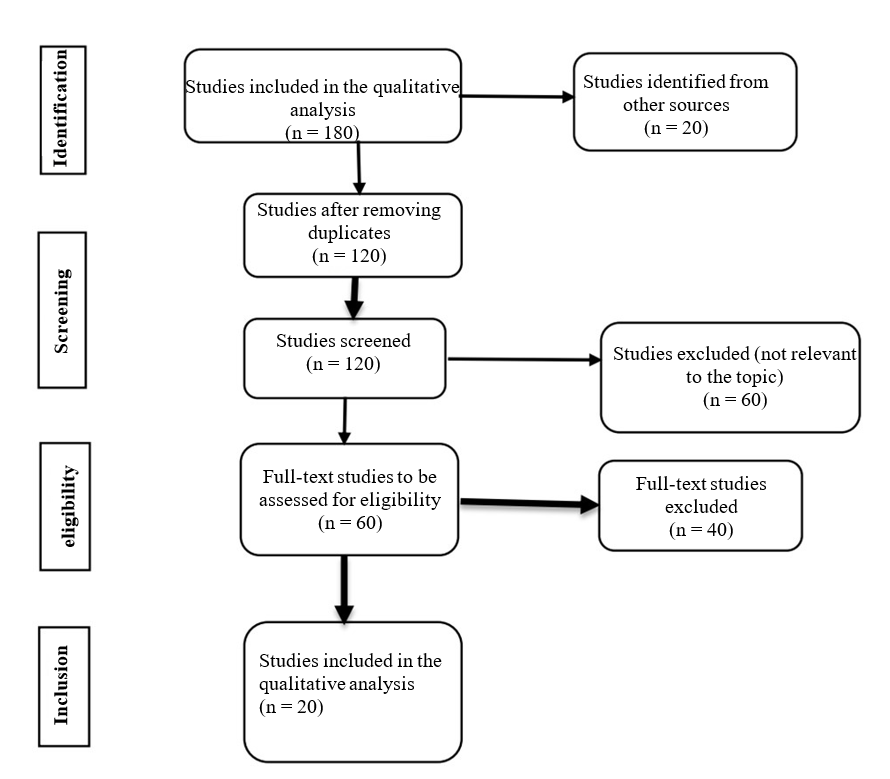
The systematic review process consists of three key stages: identification, screening, and eligibility (see Figure 1).
2.1.3 Identification
In the initial phase, relevant keywords for the search process were carefully determined to ensure comprehensive coverage of international scholarship related to sustainable packaging and waste reduction in the fashion industry. This stage involved identifying synonyms, related terms, and variations of the primary concepts—sustainable packaging, reusable packaging, recyclable packaging, circular packaging, eco-friendly packaging, packaging waste, fashion sustainability, and circular economy—to broaden the scope of the search. The objective was to equip the selected databases with a diverse range of search terms capable of retrieving the maximum number of relevant articles.
The keyword selection process was guided by the research question framework and refined using academic thesauri, previously applied terms in related studies, and automated keyword suggestions provided by Scopus and Web of Science. Additional input was obtained through reviewing keywords frequently used in studies related to environmental sustainability, packaging innovation, circular economy, sustainable fashion, and green supply chains to ensure conceptual alignment with the objectives of the present study.
The finalized search strategy incorporated Boolean operators, phrase searching, truncation, wildcard symbols, and field codes. The complete search strings applied across Scopus, Web of Science, Google Scholar, and ScienceDirect are presented in Table 1.
| Database | Search String (Boolean Operators, Keywords, Truncation) | Filters Applied |
|---|---|---|
| Scopus | (“sustainable packaging” OR “green packaging” OR “eco-friendly packaging” OR “reusable packaging” OR “circular packaging”) AND (“fashion industry” OR apparel OR clothing OR textile OR “fashion sustainability”) AND (“waste reduction” OR recycling OR reuse OR “circular economy”) | Years: 2020–2025; Language: English; Subject Areas: Environmental Sciences, Business, Engineering, Social Sciences |
| Web of Science (WoS) | TS=(“sustainable packaging” OR “reusable packaging” OR “circular packaging” OR “eco-friendly packaging”) AND TS=(“fashion industry” OR apparel OR textile) AND TS=(“waste reduction” OR recycling OR reuse) | Timespan: 2020–2025; Language: English |
| Google Scholar (International) | allintitle: (“sustainable packaging” OR “green packaging”) AND (“fashion industry” OR apparel OR textile) AND (“waste reduction” OR sustainability) | Years: 2020–2025; First 200 results screened |
| Google (General Web Search) | “sustainable packaging” + “fashion industry” + “waste reduction” / “circular economy” | Grey literature, reports, conference papers, sustainability reports |
| ScienceDirect | (“sustainable packaging” OR “reusable packaging” OR “circular packaging”) AND (“fashion industry” OR apparel OR textile industry) | Years: 2020–2025; Peer-reviewed journals |
| SpringerLink | (“sustainable packaging” OR “eco-friendly packaging”) AND (“fashion” OR apparel OR textile) AND (“environmental sustainability” OR “waste reduction”) | Years: 2020–2025; English language |
Accordingly, search strings for Scopus, Web of Science, Google Scholar, ScienceDirect, and SpringerLink were developed in 2026 (see Table 1) after determining all relevant keywords related to sustainable packaging, circular economy, reusable packaging systems, waste reduction, and fashion sustainability. These databases were chosen because of their advanced search functionalities, extensive indexing of peer-reviewed journals, stringent quality control processes, and multidisciplinary coverage, including sustainability, environmental sciences, circular economy, supply chain management, and fashion studies. The current study successfully retrieved approximately 200 articles from the selected databases during the initial stage of the systematic literature review.
2.1.4 Screening
The second stage of the systematic review process involved screening the records retrieved from the identification stage. In total, approximately 200 records were identified through database searches (Scopus, Web of Science, Google Scholar, ScienceDirect, and SpringerLink), and additional records were retrieved from manual searches and grey literature sources related to sustainable packaging and fashion sustainability. After removing duplicate records, the remaining studies were screened based on titles and abstracts. At this stage, 80 articles were excluded because they did not meet the inclusion criteria (e.g., not focused on sustainable packaging, unrelated to the fashion or apparel industry, not addressing waste reduction or circular economy practices, or lacking empirical and theoretical relevance to the study objectives). Subsequently, full-text articles were evaluated for eligibility. During this stage, additional studies were excluded for reasons such as inappropriate study design (e.g., editorials, conference abstracts, or non-peer-reviewed papers), insufficient discussion of sustainable packaging practices, irrelevant outcomes, duplication of findings, or lack of accessibility to the full text.
| Criteria | Included Studies | Excluded Studies |
| Document Type | Empirical research articles and review papers | Conference papers, book chapters, book series, and full books |
| Language | English-language publications | Non-English publications |
| Study Focus | Sustainable packaging; reusable packaging systems; circular economy; waste reduction; fashion sustainability; green supply chains; environmental sustainability | Studies with unclear methodology; studies unrelated to sustainable packaging, fashion industry sustainability, or packaging waste reduction |
| Publication Period | Studies published between 2020 and 2025 | Studies published before 2020 |
| Industry Context | Fashion, apparel, textile, packaging, sustainability, and circular economy sectors | Studies unrelated to fashion, apparel, textile, or packaging industries |
2.1.5 Eligibility
At this stage, the full texts of the selected 120 articles were retrieved and carefully reviewed in detail. Each article was examined to verify its alignment with the established inclusion criteria, with particular focus on ensuring that the studies directly addressed issues of sustainable packaging, reusable packaging systems, circular economy practices, packaging waste reduction, and environmental sustainability within the fashion and apparel industry contexts. The evaluation process considered the title, abstract, methodology, and reported findings in order to determine their relevance to the research objectives. As a result of this process, 60 articles were excluded because they either lacked a clear focus on sustainable packaging in the fashion industry, offered only conceptual discussions without sufficient empirical or theoretical contribution, presented inadequate methodological clarity, or reported outcomes irrelevant to the research question.
2.1.6 Quality Assessment
To ensure the credibility and methodological rigor of the included studies, a quality appraisal was undertaken using established evaluation criteria relevant to systematic review studies in sustainability and environmental research. The assessment was conducted to minimize potential bias and ensure the inclusion of reliable and relevant studies. Each study was evaluated based on its research design, methodological clarity, relevance to sustainable packaging and fashion sustainability, adequacy of data collection and analysis procedures, clarity of findings, and overall methodological soundness. The outcome of this appraisal showed that a number of studies demonstrated weak methodological quality or insufficient relevance to the objectives of the current review. As a result, 40 studies were excluded during the quality assessment stage. To maintain the robustness of the review, only studies that satisfied the quality assessment criteria were retained, resulting in 20 studies for the final synthesis.
2.1.7 Data Extraction and Analysis
Following the quality assessment, the remaining studies underwent a systematic data extraction process to capture essential details such as author, year of publication, country, study context, research objectives, packaging type, sustainability approach, research design, and main findings. This process ensured consistency and allowed for effective comparison across studies. Once the data had been extracted, a thematic synthesis approach was applied, consistent with the integrative review method described by Whittemore and Knafl (2005). Through iterative analysis, the review identified patterns, similarities, and divergences across the studies.
Several primary themes emerged from this synthesis, including sustainable packaging strategies, reusable and recyclable packaging systems, circular economy practices, environmental impacts of packaging waste, consumer perceptions toward sustainable packaging, and barriers and opportunities associated with implementation in the fashion industry. These themes were further refined into sub-themes encompassing aspects such as packaging innovation, reverse logistics, green supply chains, packaging materials, consumer behavior, waste reduction practices, and sustainability policies. Each theme and sub-theme was clearly defined to ensure alignment with the central research question, providing a comprehensive framework for interpreting the systematic review findings.
| Author & Date | Objective | Focus |
|---|---|---|
| Coelho et al. (2020) | To review the current situation, opportunities, and trends of reusable packaging systems. | Reusable packaging, circular economy, environmental impacts, packaging sustainability |
| Evode et al. (2021) | To examine plastic waste generation and management strategies for environmental sustainability. | Plastic waste management, recycling strategies, environmental sustainability |
| Herbes et al. (2020) | To investigate how consumers identify environmentally friendly packaging. | Consumer perceptions, green packaging cues, sustainable consumption |
| Silva & Pålsson (2021) | To systematically review industrial packaging and its relationship to sustainability and circular economy practices. | Industrial packaging, circular economy, sustainability impacts |
| Tanksale et al. (2021) | To analyze the role of primary packaging materials in designing green supply chains. | Green supply chains, sustainable packaging materials, closed-loop systems |
| Jestratijevic et al. (2021) | To develop the 7Rs sustainable packaging framework for the apparel and footwear industry. | Sustainable packaging framework, apparel industry, circular packaging |
| Rajesh & Subhashini (2021) | To review innovative sustainable packaging solutions derived from waste materials. | Waste-based packaging, eco-friendly materials, cleaner environment |
| Stark & Matuana (2021) | To review recent trends in sustainable biobased packaging materials. | Biobased packaging, sustainable materials, packaging innovation |
| Boz et al. (2020) | To review consumer considerations affecting sustainable packaging implementation. | Consumer behavior, packaging adoption, sustainability awareness |
| Feng et al. (2018) | To examine strategies promoting sustainable innovations in the cosmetic industry. | Sustainable innovation, cosmetics packaging, environmental practices |
| Kolacz & Bhaduri (2020) | To investigate the effect of packaging message framing on consumer brand attitudes. | Apparel packaging, consumer attitudes, sustainability communication |
| Future of Packaging (2021) | To analyze emerging global trends in sustainable packaging solutions. | Packaging trends, innovation, sustainability developments |
| Leal Filho et al. (2021) | To analyze changes in household waste generation during COVID-19. | Waste production, sustainability challenges, environmental impacts |
| Chirilli et al. (2022) | To explore consumers’ awareness and behavior regarding environmentally sustainable packaging. | Consumer awareness, packaging sustainability, socio-demographic influences |
| Escursell et al. (2021) | To review sustainability practices in e-commerce packaging systems. | E-commerce packaging, sustainable logistics, waste reduction |
| Ahamed et al. (2021) | To examine environmental implications and management solutions for flexible packaging plastic waste. | Plastic waste, flexible packaging, recycling and management strategies |
| Varma & Chanana (2022) | To propose a roadmap for sustainable packaging in the Indian fashion and apparel industry. | Fashion packaging, sustainability roadmap, apparel industry |
| Kaur (2025) | To investigate eco-friendly paints and packaging innovations in fashion sustainability. | Eco-friendly packaging, sustainable fashion innovation |
| Ciravegna et al. (2025) | To explore smart packaging as a tool for enhancing sustainability in the fashion supply chain. | Smart packaging, circular practices, sustainable fashion supply chains |
| Glal El-Den et al. (2025) | To examine environmental sustainability and innovations within the fashion industry. | Fashion sustainability, environmental innovation, sustainable development |
3. Results Analysis and Discussion
As shown in the PRISMA flowchart (Figure 1), this systematic review ultimately included 20 studies after the screening, eligibility, and quality assessment processes. The reviewed studies were analyzed qualitatively to identify the major themes associated with sustainable packaging systems and their contribution to reducing waste generated by the fashion industry. The analysis focused on understanding the environmental impacts of packaging practices, the opportunities offered by sustainable packaging systems, and the barriers that hinder their widespread implementation.
The findings demonstrate that sustainable packaging has become an increasingly important strategy within the global fashion industry due to the growing environmental pressures associated with packaging waste, plastic pollution, excessive resource consumption, and greenhouse gas emissions (Coelho et al., 2020; Evode et al., 2021; Glal El-Den et al., 2025). The reviewed studies consistently emphasized that traditional single-use packaging systems significantly contribute to municipal solid waste, carbon emissions, and environmental degradation, particularly in the context of fast fashion and e-commerce expansion (Escursell et al., 2021; Ahamed et al., 2021; Varma & Chanana, 2022).
3.1 Sustainable Packaging as a Strategy for Waste Reduction and Circular Economy Transition
One of the dominant themes identified in the reviewed studies was the role of sustainable packaging in supporting circular economy practices and reducing waste generation within the fashion industry. Several studies highlighted that conventional packaging systems rely heavily on virgin plastics and disposable materials, which increase environmental burdens throughout the product life cycle (Coelho et al., 2020; Silva & Pålsson, 2021; Evode et al., 2021).
The literature emphasized that sustainable packaging systems seek to minimize resource consumption through reusable, recyclable, refillable, and biodegradable packaging alternatives. Reusable packaging systems were particularly identified as an effective mechanism for extending material life cycles and reducing dependence on single-use packaging. Studies showed that reusable mailers, refill systems, and returnable packaging models can substantially reduce packaging waste while improving resource efficiency and lowering greenhouse gas emissions (Coelho et al., 2020; Jestratijevic et al., 2021).
Similarly, industrial packaging research demonstrated that circular economy principles such as reuse, recycling, and material recovery play a central role in sustainable supply chains (Silva & Pålsson, 2021). Sustainable packaging frameworks within the apparel industry further emphasized the importance of the “7 Rs” approach, including reduce, reuse, recycle, redesign, recover, renew, and rethink packaging systems to improve environmental sustainability (Jestratijevic et al., 2021).
Research on green supply chains also demonstrated that sustainable packaging materials can contribute to improved supply chain efficiency, waste recovery systems, and carbon reduction strategies (Tanksale et al., 2021). Moreover, sustainable packaging produced from waste materials was identified as an innovative solution that supports cleaner production systems and reduces environmental pollution (Rajesh & Subhashini, 2021).
The findings additionally revealed that sustainable packaging has become a strategic priority for the fashion and apparel industry globally. Varma and Chanana (2022) emphasized that sustainable packaging provides a practical roadmap for reducing waste and supporting environmental sustainability within the Indian fashion sector. Similarly, Ciravegna et al. (2025) argued that smart packaging technologies can enhance sustainability performance and facilitate circular practices within fashion supply chains.
3.2 Environmental Impacts of Packaging Waste in the Fashion Industry
A second major theme emerging from the reviewed studies concerned the environmental impacts associated with excessive packaging consumption and disposal. The studies consistently identified plastic packaging waste as one of the most serious environmental challenges affecting ecosystems and waste management systems globally (Evode et al., 2021; Ahamed et al., 2021).
The rapid expansion of e-commerce and online apparel retailing was found to intensify packaging waste generation because of increased dependence on cardboard boxes, plastic mailers, wrapping films, and protective packaging materials (Escursell et al., 2021). Research on e-commerce packaging highlighted that the growth of online shopping has substantially increased packaging production and associated environmental impacts, particularly through transportation emissions, overpackaging, and excessive material use (Escursell et al., 2021).
Several studies further demonstrated that packaging waste became more problematic during the COVID-19 pandemic due to increased consumption of packaged products and home deliveries. Plastic packaging and household packaging waste were reported to rise significantly during lockdown periods, placing additional pressure on waste management systems (Leal Filho et al., 2021).
The environmental consequences of packaging waste include plastic pollution, greenhouse gas emissions, landfill accumulation, marine contamination, and depletion of natural resources. Flexible packaging plastic waste was identified as particularly problematic because of its widespread use, limited recyclability, and persistence in terrestrial and aquatic ecosystems (Ahamed et al., 2021).
Moreover, the literature revealed that unsustainable packaging contributes significantly to carbon emissions throughout production, transportation, and disposal stages. The fashion industry’s dependence on fossil fuel-based packaging materials further intensifies climate-related environmental risks (Glal El-Den et al., 2025). Studies also emphasized that packaging waste represents a substantial proportion of municipal solid waste, highlighting the urgent need for sustainable alternatives and circular packaging systems (Coelho et al., 2020; Silva & Pålsson, 2021).
3.3 Innovation in Sustainable Packaging Materials and Technologies
Another important theme identified in the reviewed studies was the growing role of innovation in developing sustainable packaging materials and technologies. Several studies emphasized that technological innovation is essential for reducing the environmental footprint of fashion packaging systems (Kaur, 2025; Ciravegna et al., 2025).
Bio-based and biodegradable materials emerged as one of the most widely discussed innovations. Researchers highlighted the increasing use of cellulose-based materials, paperboard, biodegradable polymers, and bioplastics as alternatives to petroleum-based plastics (Stark & Matuana, 2021). These materials were found to offer improved sustainability performance by reducing fossil resource dependence and enhancing biodegradability.
The reviewed studies also identified advancements in recyclable and reusable packaging technologies. Fashion brands increasingly adopt reusable mailers, compostable packaging, refill systems, and recyclable paper packaging to minimize waste generation and improve packaging circularity (Jestratijevic et al., 2022; Varma & Chanana, 2022).
Research further emphasized the importance of sustainable innovation diffusion within industries. Feng et al. (2018) noted that the successful adoption of sustainable innovations depends on technological adaptability, organizational readiness, and stakeholder acceptance. Similarly, Kaur (2025) discussed the increasing adoption of eco-friendly packaging and environmentally sustainable materials within fashion businesses seeking to improve environmental performance and brand image.
Studies on packaging evolution and e-commerce sustainability additionally highlighted the role of additive manufacturing, logistics optimization, and packaging redesign in reducing environmental impacts (Escursell et al., 2021). Packaging optimization through lightweight materials and improved transportation efficiency was found to reduce carbon emissions and material waste across supply chains.
The findings also revealed growing interest in smart packaging systems and digital sustainability technologies. Ciravegna et al. (2025) argued that smart packaging can support circular economy objectives by improving traceability, product management, and sustainable logistics practices within the fashion industry.
3.4 Consumer Awareness and Sustainable Packaging Behavior
The reviewed studies demonstrated that consumer awareness and perceptions significantly influence the success of sustainable packaging initiatives. Consumers increasingly associate environmentally friendly packaging with sustainable consumption practices and responsible brand behavior (Herbes et al., 2020; Chirilli et al., 2022).
Several studies found that consumers rely heavily on labels, material appearance, recyclability indicators, and eco-friendly claims to evaluate packaging sustainability. However, concerns regarding greenwashing and misleading environmental claims were also frequently reported (Herbes et al., 2020).
Consumer behavior studies further revealed that gender, age, and education levels influence sustainable packaging attitudes and purchasing decisions. Environmentally conscious consumers tend to support brands that adopt recyclable, reusable, or biodegradable packaging solutions (Chirilli et al., 2022).
At the same time, several studies noted that consumers are often unwilling to pay higher prices for sustainable packaging unless they clearly perceive personal or environmental benefits. Effective communication strategies and sustainability-related marketing messages were therefore identified as important factors in increasing consumer acceptance of sustainable packaging systems (Kolacz & Bhaduri, 2020; Boz et al., 2020).
Boz et al. (2020) further emphasized that positive consumer attitudes toward sustainable packaging can encourage companies to adopt environmentally responsible packaging systems. Similarly, Herbes et al. (2020) found that consumers use environmental labels and sustainability-related packaging cues as indicators of eco-friendly products, although trust in such information varies across cultures and consumer groups.
3.5 Challenges and Barriers to Sustainable Packaging Implementation
Despite the growing interest in sustainable packaging, the reviewed studies identified several economic, technological, and operational challenges that hinder large-scale implementation within the fashion industry.
One of the most frequently reported barriers was cost. Sustainable packaging materials and reusable systems are often more expensive than conventional plastic packaging, particularly during early adoption stages (Kaur, 2025; Varma & Chanana, 2022). Companies may also face financial challenges related to redesigning supply chains, implementing reverse logistics systems, and investing in sustainable technologies.
Another major challenge involves infrastructure limitations. Effective recycling and reuse systems require advanced waste management infrastructure, consumer participation, and coordinated logistics systems. The absence of standardized recycling systems and limited material recovery capabilities reduce the effectiveness of circular packaging initiatives (Evode et al., 2021; Ahamed et al., 2021).
The reviewed studies also highlighted technical limitations associated with biodegradable and recyclable materials, including durability concerns, contamination issues, and reduced performance compared with conventional plastics (Stark & Matuana, 2021). Additionally, global packaging growth and increasing e-commerce demand continue to intensify material consumption and packaging waste generation (Future of Packaging, 2021).
Furthermore, organizational barriers such as insufficient management support, lack of supplier integration, limited sustainability knowledge, and weak regulatory enforcement were found to impede the transition toward sustainable packaging systems (Silva & Pålsson, 2021; Tanksale et al., 2021). Some studies also emphasized that sustainable packaging implementation requires stronger collaboration among manufacturers, policymakers, consumers, and logistics providers to achieve effective circular economy outcomes (Rajesh & Subhashini, 2021; Ciravegna et al., 2025).
4. Conclusion
The growing environmental challenges associated with packaging waste, excessive plastic consumption, greenhouse gas emissions, and resource depletion have intensified the need for sustainable packaging systems within the fashion industry. This systematic review examined 20 studies addressing sustainable packaging practices, circular economy strategies, reusable systems, consumer behavior, and packaging innovations in order to answer the central research question: How can sustainable packaging systems contribute to reducing waste generated by the fashion industry, and what opportunities, challenges, and environmental impacts are associated with their implementation?
The findings of this review demonstrate that sustainable packaging systems play a critical role in reducing waste generated by the fashion industry through minimizing single-use packaging, improving material efficiency, encouraging reuse and recycling practices, and supporting circular economy principles. Reusable, recyclable, refillable, biodegradable, and bio-based packaging solutions were consistently identified as environmentally preferable alternatives to conventional fossil fuel-based packaging materials. The reviewed studies further revealed that sustainable packaging contributes to reducing landfill waste, plastic pollution, greenhouse gas emissions, and excessive consumption of virgin resources while simultaneously improving supply chain sustainability and operational efficiency.
The review also highlighted that innovation has become a key driver in advancing sustainable packaging practices within the fashion sector. Emerging technologies such as smart packaging systems, lightweight packaging materials, biodegradable polymers, cellulose-based packaging, and reverse logistics systems are reshaping the future of sustainable fashion packaging. In addition, the increasing integration of circular economy frameworks within packaging design demonstrates the industry’s growing commitment to environmental sustainability and responsible production practices.
Despite these opportunities, the findings revealed that the implementation of sustainable packaging systems continues to face several challenges. Economic barriers, high production costs, limited recycling infrastructure, technological constraints, inconsistent environmental regulations, and consumer resistance remain significant obstacles to large-scale adoption. Furthermore, the rapid expansion of e-commerce and fast fashion continues to intensify packaging consumption and waste generation, placing additional pressure on environmental systems and waste management infrastructures.
Consumer awareness and sustainability perceptions were also found to strongly influence the effectiveness of sustainable packaging initiatives. Environmentally conscious consumers increasingly prefer brands that adopt transparent and eco-friendly packaging practices. However, concerns regarding greenwashing, unclear sustainability claims, and limited consumer willingness to pay higher prices for sustainable alternatives continue to affect market adoption.
Overall, this review confirms that sustainable packaging systems represent a fundamental component in reducing environmental impacts within the fashion industry. Nevertheless, achieving long-term sustainability requires collaborative efforts among fashion brands, policymakers, packaging manufacturers, researchers, waste management sectors, and consumers. Future progress depends on strengthening environmental policies, investing in sustainable material innovation, improving recycling and reuse infrastructures, enhancing consumer awareness, and integrating circular economy principles throughout the fashion supply chain.
Finally, the current review contributes to the growing body of literature on sustainable fashion by providing a comprehensive synthesis of contemporary research related to sustainable packaging systems and waste reduction strategies. It also highlights important research gaps and emphasizes the need for further empirical studies examining the environmental, economic, and social impacts of sustainable packaging adoption within global fashion supply chains.
Funding Statement
The authors received no financial support for the research, authorship, or publication of this study.
Conflict of Interest Statement
The authors declare no conflict of interest regarding the publication of this paper.
References
- Accorsi, R., Cascinia, A., Cholette, S., Manzini, R., & Mora, C. (2014). Economic and environmental assessment of reusable plastic containers: A food catering supply chain case study. International Journal of Production Economics, 152, 88–101. DOI ↗ Google Scholar ↗
- Ahamed, A.; Veksha, A.; Giannis, A.; Lisak, G. Flexible packaging plastic waste–environmental implications, management solutions, and the way forward. Curr. Opin. Chem. Eng. 2021, 32, 100684. [Google Scholar] [CrossRef] DOI ↗ Google Scholar ↗
- Babader, A., Ren, J., Jones, K. O., & Wang, J. (2016). A system dynamics approach for enhancing social behaviours regarding the reuse of packaging. Expert Systems with Applications, 46, 417–425. DOI ↗ Google Scholar ↗
- Boz, Z.; Korhonen, V.; Koelsch Sand, C. Consumer considerations for the implementation of sustainable packaging: A review. Sustainability 2020, 12, 2192. [Google Scholar] [CrossRef] DOI ↗ Google Scholar ↗
- CEPI. (2018). Key statistics 2018 European pulp & paper industry. Confederation of European Paper Industries. DOI ↗ Google Scholar ↗
- Chirilli, C.; Molino, M.; Torri, L. Consumers’ Awareness, Behavior and Expectations for Food Packaging Environmental Sustainability: Influence of Socio-Demographic Characteristics. Foods 2022, 11, 2388. [Google Scholar] [CrossRef] [PubMed] DOI ↗ Google Scholar ↗
- Ciravegna, E., Rosato, L., Puglielli, M., & Spinelli, M. (2025). Smart packaging as an enhancer of sustainability in the fashion Industry: Transitioning to new circular practices in the Made in Italy Supply Chain. Cuadernos del Centro de Estudios en Diseño y Comunicación. Ensayos, 264, 205-227. DOI ↗ Google Scholar ↗
- Coelho, P. M., Corona, B., ten Klooster, R., & Worrell, E. (2020). Sustainability of reusable packaging–Current situation and trends. Resources, Conservation and Recycling: X, 6, 100037. DOI ↗ Google Scholar ↗
- Dubiel, M. (1996). Costing structures of reusable packaging systems. Packaging Science and Technology, 9, 237–254. DOI ↗ Google Scholar ↗
- Ellen MacArthur Foundation. (2019). Reuse–Rethinking packaging. Ellen MacArthur Foundation. DOI ↗ Google Scholar ↗
- Ernst & Young. (2015). Life cycle assessment of newly manufactured and reconditioned industrial packaging (Revised version). Ernst & Young. DOI ↗ Google Scholar ↗
- Ertz, M., Huang, R., Jo, M. S., Karakas, F., & Sarigöllü, E. (2017). From single-use to multi-use: Study of consumers’ behavior toward consumption of reusable containers. Journal of Environmental Management, 193, 334–344. DOI ↗ Google Scholar ↗
- Escursell, S.; Llorach-Massana, P.; Roncero, M.B. Sustainability in e-commerce packaging: A review. J. Cleaner Prod. 2021, 280, 124314. [Google Scholar] [CrossRef] [PubMed] DOI ↗ Google Scholar ↗
- Eurostat. (2019). Municipal waste and packaging waste statistics. Eurostat. DOI ↗ Google Scholar ↗
- Evode, N.; Qamar, S.A.; Bilal, M.; Barceló, D.; Iqbal, H.M. Plastic waste and its management strategies for environmental sustainability. Case Stud. Chem. Environ. Eng. 2021, 4, 100142. [Google Scholar] [CrossRef] DOI ↗ Google Scholar ↗
- Feng, C.; Chen, H.; Ho, J.C. Promoting the Diffusion of Sustainable Innovations in the cosmetic industry. In Proceedings of the 2018 IEEE Technology and Engineering Management Conference (TEMSCON), Evanston, IL, USA, 28 June–1 July 2018; pp. 1–5. [Google Scholar] DOI ↗ Google Scholar ↗
- Franklin Associates. (1999). Life cycle inventory of single trip and multi-trip steel drum systems in the U.S., Europe and Japan. Franklin Associates. DOI ↗ Google Scholar ↗
- Future of Packaging. Racentour Reports. 2021. Available online: DOI ↗ Google Scholar ↗
- Gardas, B. B., Raut, R. D., & Narkhede, B. (2019). Identifying critical success factors to facilitate reusable plastic packaging towards supply chain management. Journal of Environmental Management, 236, 81–92. DOI ↗ Google Scholar ↗
- Geyer, R., Jambeck, J. R., & Law, K. L. (2017). Production, use, and fate of all plastics ever made. Science Advances, 3(7), e1700782. DOI ↗ Google Scholar ↗
- Glal El-Den, R. E., Abdel Wahab, S. S. M., Atallah, H. A. A., Saleh, Y. D. M., & Hassabo, A. G. (2025). Environmental sustainability and innovations in the fashion industry. Journal of Textiles, Coloration and Polymer Science, 22(2), 65-75. DOI ↗ Google Scholar ↗
- Goellner, K. N., & Sparrow, E. (2014). An environmental impact comparison of single-use and reusable thermally controlled shipping containers. International Journal of Life Cycle Assessment, 19, 611–619. DOI ↗ Google Scholar ↗
- Herbes, C.; Beuthner, C.; Ramme, I. How green is your packaging—A comparative international study of cues consumers use to recognize environmentally friendly packaging. Int. J. Consum. Stud. 2020, 44, 258–271. [Google Scholar] [CrossRef] DOI ↗ Google Scholar ↗
- Jestratijevic, I.; Maystorovich, I.; Vrabič-Brodnjak, U. The 7 Rs sustainable packaging framework: Systematic review of sustainable packaging solutions in the apparel and footwear industry. Sustain. Prod. Consum. 2021, 30, 331–340. [Google Scholar] [CrossRef] DOI ↗ Google Scholar ↗
- Kaur, A. (2025). Innovative sustainability: employing eco-friendly paints and packaging to transform fashion. Journal of Social Review and Development, 4(Special Issue 1), 133-136. DOI ↗ Google Scholar ↗
- Kirchherr, J., Reike, D., & Hekkert, M. (2017). Conceptualizing the circular economy: An analysis of 114 definitions. Resources, Conservation and Recycling, 127, 221–232. DOI ↗ Google Scholar ↗
- Kolacz, M.S.P.; Bhaduri, G. Really, for the Greater Good? Impact of Message Frames and Reference Points Related to Packaging of Apparel Products on Brand Attitude. In International Textile and Apparel Association Annual Conference Proceedings; Iowa State University Digital Press: Ames, IA, USA, 2020; Volume 77. [Google Scholar] DOI ↗ Google Scholar ↗
- Leal Filho, W.; Voronova, V.; Kloga, M.; Paço, A.; Minhas, A.; Salvia, A.L.; Sivapalan, S. COVID-19 and waste production in households: A trend analysis. Sci. Total Environ. 2021, 777, 145997. [Google Scholar] [CrossRef] [PubMed] DOI ↗ Google Scholar ↗
- Levi, M., Cortesi, S., Vezzoli, C., & Salvia, G. (2011). A comparative life cycle assessment of disposable and reusable packaging for the distribution of Italian fruit and vegetables. Packaging Technology and Science, 24, 387–400. DOI ↗ Google Scholar ↗
- Lofthouse, V. A., Bhamra, T. A., & Trimingham, R. L. (2009). Investigating customer perceptions of refillable packaging and assessing business drivers and barriers to their use. Packaging Technology and Science, 22, 335–348. DOI ↗ Google Scholar ↗
- Lofthouse, V. A., Trimingham, R. L., & Bhamra, T. A. (2017). Reinventing refills: Guidelines for design. Packaging Technology and Science, 30, 809–818. DOI ↗ Google Scholar ↗
- Mollenkopf, D., Closs, D., Twede, D., Lee, S., & Burgess, G. (2005). Assessing the viability of reusable packaging–A relative cost approach. Journal of Business Logistics, 26(1), 169–197. DOI ↗ Google Scholar ↗
- Plastics Europe. (2018). Plastics–The facts 2018: An analysis of European plastics production, demand and waste data. Plastics Europe. DOI ↗ Google Scholar ↗
- Potting, J., Hekkert, M., Worrell, E., & Hanemaaijer, A. (2017). Circular economy: Measuring innovation in the product chain. PBL Netherlands Environmental Assessment Agency. DOI ↗ Google Scholar ↗
- Rajesh, P.; Subhashini, V. Sustainable Packaging from Waste Material: A Review on Innovative Solutions for Cleaner Environment. Bioremediat. Green Technol. 2021, 21, 259–270. [Google Scholar] DOI ↗ Google Scholar ↗
- Rigamonti, L., Biganzoli, L., & Grosso, M. (2019). Packaging re-use: A starting point for its quantification. Journal of Material Cycles and Waste Management, 21, 35–43. DOI ↗ Google Scholar ↗
- Rouw, M., & Worrell, E. (2011). Evaluating the impacts of packaging policy in The Netherlands. Resources, Conservation and Recycling, 55, 483–492. DOI ↗ Google Scholar ↗
- Silva, N.; Pålsson, H. Industrial packaging and its impact on sustainability and circular economy: A systematic literature review. J. Clean. Prod. 2021, 333, 130165. [Google Scholar] [CrossRef] DOI ↗ Google Scholar ↗
- Singh, S. P., Chonhenchob, V., & Singh, J. (2006). Life cycle inventory and analysis of reusable plastic containers and display-ready corrugated containers used for packaging fresh fruits and vegetables. Packaging Technology and Science, 19, 279–293. DOI ↗ Google Scholar ↗
- Stark, N.M.; Matuana, L.M. Trends in sustainable biobased packaging materials: A mini review. Mater. Today Sustain. 2021, 15, 100084. [Google Scholar] [CrossRef] DOI ↗ Google Scholar ↗
- Tanksale, A.N.; Das, D.; Verma, P.; Tiwari, M.K. Unpacking the role of primary packaging material in designing green supply chains: An integrated approach. Int. J. Prod. Econ. 2021, 236, 108133. [Google Scholar] [CrossRef] DOI ↗ Google Scholar ↗
- Varma, I. G., & Chanana, B. (2022). Sustainable packaging-a roadmap for the Indian fashion and apparel industry. J Textile Eng Fashion Technol, 8(5), 156-161. DOI ↗ Google Scholar ↗
- Worrell, E., Allwood, J., & Gutowski, T. (2016). The role of material efficiency in environmental stewardship. Annual Review of Environment and Resources, 41, 575–598. DOI ↗ Google Scholar ↗