Abstract
This study aimed to assess client relationship management and after-sales services in selected luxury real estate firms in the National Capital Region as basis for inputs to an action plan. Specifically, it evaluated CRM in terms of client database management, personalized client experiences, communication frequency, feedback collection, loyalty program implementation, and problem resolution responsiveness, as well as after-sales services in terms of post-sale communication, property handover process, move-in assistance, property management referral, legal and document support, and home improvement recommendations. It further determined whether significant differences exist in the assessments of managers, sales and marketing employees, and clients; identified challenges encountered in CRM and after-sales services; developed proposed inputs to an action plan based on the findings; and assessed the acceptability of the proposed action plan.
Keywords
After-Sales Luxury Real Estate Firms Service
Introduction
Client Relationship Management (CRM) has emerged as an essential strategic priority across industries, especially in sectors that rely heavily on sustained customer engagement and exceptional service delivery. The ability to manage and nurture client relationships has become a key determinant of an organization’s success. In competitive markets, where customers have numerous alternatives, firms increasingly invest in sophisticated CRM systems to collect, analyze, and use customer data effectively. These systems support personalized marketing, tailored communication, and timely responsiveness, fostering a strong emotional connection between the client and the firm. This approach not only encourages repeat business but also builds a loyal customer base that becomes an asset for long-term organizational growth. The shift towards client-centric strategies highlights the need to go beyond transactional relationships by ensuring that every interaction adds value, meets expectations, and strengthens trust.
At the heart of building enduring client relationships is the role of after-sales services, which extend the client experience beyond the initial purchase or transaction. After-sales services encompass a range of activities to support clients during the ownership phase, including ongoing communication, seamless property handover, assistance with moving logistics, referrals to reliable property management firms, legal assistance with documentation, and guidance on home improvements. In the luxury real estate sector, where properties are high-value and emotionally significant investments, the quality and promptness of these after-sales services greatly influence the client’s overall satisfaction and perception of value. Providing consistent, high-quality after-sales support enhances the client’s confidence in the firm, reduces post-purchase anxiety, and fosters positive word-of-mouth referrals. Such services differentiate luxury developers in a crowded market by demonstrating a commitment to client care that extends beyond the sale itself.
The Philippine luxury real estate landscape, particularly in the National Capital Region, reflects growing sophistication not only in architectural and development standards but also in customer relationship practices. Prominent developers in this region have incorporated structured CRM systems and after-sales service protocols into their business strategies. These interventions are meant to enhance every phase of the client’s journey—from initial engagement through purchase, property turnover, and continuing ownership. This evolution is motivated by both market demand and legal frameworks that mandate a high level of professionalism and responsibility. The regulatory environment emphasizes ethical obligations and consumer protection provisions designed to ensure clients are treated fairly, receive necessary disclosures, and have access to redress mechanisms. Real estate firms are thus required to maintain service excellence and accountability throughout the property lifecycle, reinforcing the centrality of CRM and after-sales services.
Although formal client service frameworks and initiatives have been established, practical challenges persist in the consistent execution of CRM and after-sales support. Reports from clients and employee feedback highlight issues such as delayed response times, fragmented communication between departments, and gaps in service coordination during critical post-sale periods. Such operational shortcomings can erode client trust, reduce satisfaction, and potentially cause reputational damage to respected developers. The complexity of managing high-value properties requires seamless integration among sales, marketing, property management, legal, and customer support units—an area where some firms continue to struggle. These inconsistencies underscore the need to closely examine the effectiveness of existing processes and identify areas that require improvement to meet the expectations of discerning luxury clientele.
Moreover, while marketing strategies and overall customer satisfaction have been explored in prior studies within the Philippine real estate sector, there is limited empirical research that specifically focuses on the post-sale phase, including the quality and sustainability of client relationship management and after-sales services. Existing evaluations often overlook the perspectives of all key stakeholders, particularly when contrasting managerial viewpoints with those of frontline employees and property owners. Such a multi-stakeholder approach is necessary to gain a comprehensive understanding of how well current practices address client needs, how operational realities shape service delivery, and what challenges hinder optimal performance. Bridging this gap will provide actionable insights to enhance service alignment and operational effectiveness within luxury real estate firms, ensuring client expectations are met throughout the ownership lifecycle.
Recognizing these needs, the present study conducted a detailed assessment of CRM and after-sales services among selected luxury real estate firms in the National Capital Region. It aimed to explore how managers, sales and marketing personnel, and clients themselves perceived the extent and quality of these services. The research evaluated key CRM dimensions, including client database management, experience personalization, communication practices, feedback mechanisms, loyalty initiatives, and responsiveness to issues. Simultaneously, after-sales services were examined through their post-sale communication, property handover procedures, assistance with moving in, referrals for property management, legal documentation support, and home improvement recommendations. By identifying strengths and challenges from multiple perspectives, the study sought to create a comprehensive picture to inform the design of a strategic action plan tailored to improve client relationship management and after-sales service delivery in the luxury real estate market.
This study was strategically positioned to fill critical knowledge gaps in the luxury property sector by focusing on the operationalization and perception of CRM and after-sales services. The findings were expected to assist developers in elevating service quality, ensuring legal and ethical compliance, and ultimately achieving competitive differentiation through superior client care. The proposed action plan, grounded in empirical evidence, provided practical recommendations for building effective, client-centered systems that enhance satisfaction, foster loyalty, and support sustainable business performance in one of the country’s most dynamic real estate markets.
Theoretical Framework
This study is anchored on the Relationship Marketing Theory developed by Leonard L. Berry (1983) and the Expectation-Confirmation Theory (ECT) formulated by Richard L. Oliver (1980).
Relationship Marketing Theory, introduced by Leonard L. Berry, emphasizes the importance of developing and sustaining long-term relationships between firms and their clients as a critical driver of business success. Unlike traditional transactional marketing, which focuses on single exchanges, relationship marketing centers on building ongoing bonds through trust, mutual commitment, and personalized communication. This theory highlights key CRM practices such as client database management, personalized experiences, continuous communication, feedback mechanisms, loyalty programs, and responsive problem resolution as essential strategies that foster client retention and loyalty. Particularly in industries such as luxury real estate, where client investments are substantial both financially and emotionally, maintaining these enduring relational ties is vital. The theory explains that by nurturing trust and satisfaction through tailored, consistent engagement, firms can enhance client loyalty and secure long-term business sustainability.
The Expectation-Confirmation Theory (ECT) provides a behavioral framework for understanding how clients assess satisfaction by comparing their initial expectations with their actual service experience. According to this theory, client satisfaction is achieved when the delivered service meets or exceeds expectations, while dissatisfaction arises when there is a disconfirmation or gap. ECT underlines the process of expectation setting prior to purchase and subsequent confirmation through evaluation of service quality, including after-sales support such as post-sale communication, property handover, move-in assistance, and legal documentation services. This theory is crucial for explaining clients’ evaluative responses to the firm’s service delivery and shaping their future intentions, such as loyalty, repurchase, or negative word-of-mouth.
The combined application of Relationship Marketing Theory and Expectation-Confirmation Theory is particularly appropriate for this study, as they jointly address the full scope of client relationship management and after-sales service dynamics in luxury real estate. Relationship Marketing Theory provides the strategic foundation by explaining how firms can design and implement interpersonal and service management processes to build and sustain client engagement. Meanwhile, Expectation-Confirmation Theory offers an evaluative lens that captures clients’ cognitive and emotional responses to these service encounters, grounded in their expectations and actual experiences. Together, these perspectives enable a holistic understanding of both the operational mechanisms employed by real estate developers and the varied perceptions of key stakeholders, including managers, sales and marketing employees, and clients. Employing these theories allows this study to identify strengths, service gaps, and challenges in CRM and after-sales services and ultimately provides a robust conceptual foundation for formulating a client-centered action plan aimed at enhancing service delivery, fostering deeper client relationships, and improving long-term client satisfaction within the National Capital Region’s luxury real estate sector.
Conceptual Framework
This study was anchored on the Input–Process–Output (IPO) Model, a widely used research framework that illustrates the systematic flow of inquiry from inputs to processes and ultimately to outputs.
The Input (I) included readings from relevant references such as books, journals and periodicals, theses and dissertations, legal materials, and other credible online resources. It also covered the survey results on client relationship management and after-sales services in selected luxury real estate firms in the National Capital Region, the challenges encountered in client relationship management and after-sales services, the acceptability of the proposed inputs to the action plan, and the study's respondents, namely managers, sales and marketing employees, and clients.
The Process (P) involved a series of systematic research procedures. This included data gathering through a structured survey questionnaire. For client relationship management, the indicators included client database management, personalized client experiences, communication frequency, feedback collection, loyalty program implementation, and responsiveness to problem resolution. For after-sales services, the indicators included post-sale communication, property handover process, move-in assistance, property management referral, legal and document support, and home improvement recommendations. This stage also involved identifying challenges encountered in client relationship management and after-sales services, statistically treating the data, and analyzing and interpreting the gathered data.
The Output (O) was the development of proposed inputs for an action plan to enhance client relationship management and after-sales services at selected luxury real estate firms in the National Capital Region.
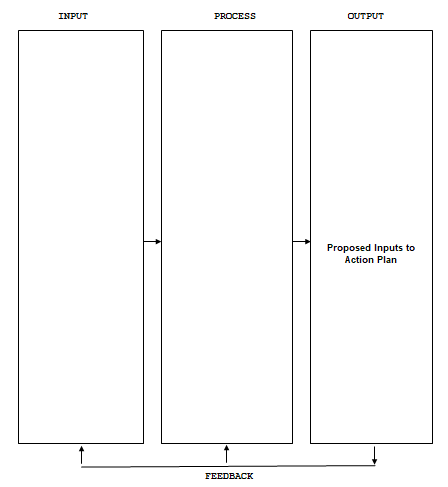
This study aimed to determine the Client Relationship Management and After-Sales Services in Selected Luxury Real Estate Firms in National Capital Region as basis for Inputs to Action Plan.
Specifically, it sought to answer the following:
-
How do the managers, sales and marketing employees and clients assess the client relationship management in selected luxur6y real estate firms in the National Capital Region in terms of:
-
Client Database Management;
-
Personalized Client Experiences;
-
Communication Frequency;
-
Feedback Collection;
-
Loyalty Program Implementation; and
-
Problem Resolution Responsiveness?
-
Is there a significant difference in the assessment of the three groups of respondents on the above-mentioned variables?
-
How do the managers, sales and marketing employees, and clients assess the after-sales services in selected luxury real estate firms in the National Capital Region in terms of:
-
Post-Sale Communication;
-
Property Handover Process;
-
Move-In Assistance;
-
Property Management Referral;
-
Legal and Document Support; and
-
Home Improvement Recommendations?
-
What are the challenges encountered in client relationships and after-sales services?
-
Based on the findings, what inputs to the action plan may be proposed?
-
How acceptable are the proposed inputs to the action plan?
Hypothesis
This study hypothesizes that there is no significant difference in the assessments of managers, sales and marketing employees, and clients regarding client relationship management, including Client database management, Personalized client experiences, Communication frequency, feedback collection, Loyalty Program Implementation, and Problem Resolution Responsiveness.
Scope and Limitation of the Study
This study assessed client relationship management and after-sales services in selected luxury real estate firms in the National Capital Region. It examined client relationship management in terms of client database management, personalized client experiences, communication frequency, feedback collection, loyalty program implementation, and responsiveness to problem resolution. It also evaluated after-sales services in terms of post-sale communication, property handover process, move-in assistance, property management referral, legal and document support, and home improvement recommendations. In addition, the study identified the challenges encountered in implementing CRM and after-sales services, as well as the acceptability of the proposed action plan based on the results obtained.
The study respondents numbered 170, consisting of 30 managers, 80 sales and marketing employees, and 60 clients from the selected luxury real estate firms.
The study was conducted in four selected luxury real estate firms in the National Capital Region, namely Ayala Land, Inc. (Tower One and Exchange Plaza, Ayala Triangle, Ayala Avenue, Makati City), Shangri-La Properties, Inc. (The Enterprise Center, 6766 Ayala Avenue corner Paseo de Roxas, Makati City), Ortigas Land Corporation (Ortigas Building, Ortigas Avenue, Pasig City), and Rockwell Land Corporation (Rockwell Business Center Tower 3, Ortigas Avenue, Pasig City). These firms were selected due to their established operations and strong presence in the luxury residential real estate sector.
The study was conducted from May 2025 to June 2026.The study was limited to the specified respondents, firms, variables, and timeframe, and did not extend to other real estate segments or geographic locations outside the National Capital Region.
Significance of the Study
The findings of this study will benefit the following:
Luxury real estate firms. the Ayala Land, Inc., Shangri-La Properties, Inc., Ortigas Land Corporation, and Rockwell Land Corporation. It will provide them with a systematic evaluation of their client relationship management and after-sales service practices, enabling them to identify service gaps, improve operational strategies, and adopt the proposed action plan, which will lead to enhanced customer satisfaction, stronger brand reputation, and sustained competitiveness in the luxury real estate market.
Managers. It will enhance their understanding of CRM and after-sales service performance across departments, serving as a basis for strengthening policies, improving interdepartmental coordination, and enhancing decision-making in client engagement and post-sale service delivery.
Sales and marketing employees. It will provide evidence-based insights that will improve communication strategies, client follow-up processes, and relationship-building practices, thereby strengthening consistent client engagement and long-term relationship management.
Current clients or property buyers. It will result in improved service delivery characterized by more responsive assistance, clearer communication, and enhanced personalized support after property acquisition, leading to a better overall client experience.
Prospective clients or future property buyers. It will improve access to more efficient, transparent, and reliable CRM and after-sales systems, which will enhance confidence and satisfaction throughout the property purchasing and ownership journey.
Future researchers. It will provide relevant empirical data and findings on client relationship management and after-sales services in luxury real estate, serving as a reference for future academic studies and related research in marketing, real estate management, and service quality.
Definition of Terms
The selected terms used are hereby defined operationally and conceptually.
After-sales services – Refer to a set of services provided to clients after the completion of a property sale, aimed at ensuring satisfaction, addressing concerns, and strengthening long-term client loyalty in the luxury real estate industry (Ramya & Sivasubramaniyan, 2021).
Challenges encountered – Refers to the problems, barriers, or difficulties experienced by managers, sales and marketing employees, and clients in the implementation of client relationship management and after-sales services, as identified through the survey responses.
Client database management – Refers to the structured collection, storage, and maintenance of client information such as profiles, purchase history, and preferences, used by real estate firms to support personalized service delivery and improve client engagement.
Client relationship management (CRM) – Refers to a strategic organizational process that integrates data management, communication systems, and personalized engagement practices to enhance customer satisfaction, retention, and long-term value creation in luxury real estate firms (Kumar, 2023).
Clients – Refer to individuals who have purchased luxury real estate properties from selected firms in the National Capital Region and have experienced their after-sales services.
Communication frequency – Refers to the regularity of interactions between real estate firms and clients after the sale, including communication through phone calls, emails, messages, or digital platforms, as measured in the survey.
Feedback collection – Refers to the systematic process of gathering client opinions, suggestions, and evaluations regarding CRM and after-sales services through surveys, forms, or other feedback mechanisms.
Home improvement recommendations – Refer to the guidance, suggestions, or referrals provided by real estate firms to assist clients in enhancing, customizing, or upgrading their newly acquired property.
Legal and document support – Refers to the assistance provided by real estate firms to clients in the preparation, processing, verification, and completion of legal and property-related documents during the post-sale stage.
Loyalty program implementation – Refers to the structured strategies and reward systems such as discounts, exclusive access, VIP services, or special privileges designed to maintain and strengthen client loyalty (Kotler & Keller, 2022).
Luxury real estate firms – Refer to property development companies that specialize in high-end residential developments characterized by exclusivity, premium design, strategic locations, and high-quality amenities in the National Capital Region (Nguyen & Tran, 2022).
Managers – Refer to individuals responsible for overseeing client relationship management and after-sales service operations, ensuring the effective implementation of CRM strategies and service delivery processes.
Move-in assistance – Refers to the support services provided to clients during their transition into newly acquired properties, including orientation, utility coordination, and basic settlement assistance.
Personalized client experiences – Refer to tailored service interactions designed according to client preferences, needs, and behavior to enhance engagement and satisfaction in luxury real estate services (Dolata et al., 2024).
Post-sale communication – Refers to structured follow-up interactions initiated by real estate firms after property turnover, including updates, thank-you messages, and satisfaction monitoring activities.
Problem resolution responsiveness – Refers to the speed and effectiveness with which real estate firms address and resolve client complaints, concerns, or service-related issues after property purchase.
Proposed inputs to action plan – Refers to the evidence-based recommendations formulated from the findings of the study, designed to enhance client relationship management and after-sales service practices in selected luxury real estate firms.
Property handover process – Refers to the structured procedure involved in transferring ownership or possession of property from the developer to the client, including inspection, documentation, and formal turnover activities.
Property management referral – Refers to the assistance provided by real estate firms in connecting clients with accredited property management service providers after property turnover.
Prospective clients – Refer to potential buyers of luxury real estate properties who may benefit from improved CRM and after-sales service systems in the future.
Sales and marketing employees – Refer to personnel involved in promoting, selling, and maintaining client relationships before and after property acquisition, whose perspectives are included in the study.
Review of Related Literature and Studies
Local Literature
In modern high-end property marketing, establishing a structured data architecture is vital to handling high-net-worth client profiles. The rigorous CRM frameworks in premium property markets are a prerequisite for identifying niche buyer preferences and protecting client records. This specialized data centralization allows real estate corporations to systematically track long-term historical records, purchase inclinations, and individual financial profiles without administrative gaps. By integrating sophisticated data processing architectures, luxury real estate developers can efficiently maintain clean database registries that empower sales agents during initial presentations. Furthermore, a well-managed database pipeline eliminates operational redundancies while ensuring that client information remains instantly accessible for ongoing relationship updates. Ultimately, this conceptual paradigm underlines how strategic data handling builds institutional reliability and forms the bedrock of modern real estate investment networks (Aquino, 2023).
Meanwhile, Bautista (2025) explains that the evolution of automated touchpoints in high-end Philippine developments has fundamentally shifted how elite property buyers engage with corporate brands. The deployment of specialized digital customer portals allows real estate firms to craft highly personalized client experiences, offering bespoke virtual tours and direct account oversight. These premium digital interfaces are purposefully formulated to bridge traditional brand aesthetics with immediate, high-touch communication capabilities. This interactive operational environment successfully preserves long-term client interest while minimizing the processing delays typically associated with traditional paperwork. Property developers are consequently compelled to optimize these online portals to maintain high satisfaction metrics among tech-savvy investors. Therefore, modern digital relationship frameworks effectively convert transactional encounters into enduring, value-driven brand alliances.
Likewise, González (2021) notes that strategic engagement systems function as a critical tool for managing communication frequency within competitive luxury housing networks. High-end real estate environments require structured, non-intrusive communication touchpoints to keep buyers updated on construction milestones and market shifts. When developers use systematic outreach protocols, they prevent information gaps that could make premium clients feel neglected during lengthy development cycles. This targeted scheduling of newsletters, project briefs, and personal calls reinforces transparency while sustaining buyer enthusiasm. Maintaining an optimal balance in communication ensures that a brand stays relevant without cluttering a buyer’s schedule. As a result, systematic outreach plays a critical role in preserving buyer confidence and reducing post-purchase anxiety.
Concurrently, Solidum (2024) explores relationship-building dynamics, showing that strategic alignments in the luxury property sector heavily depend on structured loyalty programs to drive repeat investment. High-net-worth individuals respond well to exclusive incentives, VIP access to new project launches, and premium concierge rewards. These high-end reward structures are designed to deepen a client's emotional bond with the brand while providing tangible financial perks. However, a luxury loyalty framework can lose its effectiveness if rewards are hard to redeem or feel disconnected from the brand's premium image. Property developers must ensure their reward programs offer elite-tier privileges that match their buyers' lifestyle expectations. Consequently, well-executed loyalty tracking turns one-time asset buyers into long-term brand advocates.
Meanwhile, Tan (2024) examines how responsiveness in problem resolution directly impacts client satisfaction during the handover phase. When premium buyers find property defects, delayed paperwork, or structural issues, the speed and empathy of the company's response determine their long-term loyalty. Promptly resolving issues protects a developer's reputation from negative word-of-mouth in exclusive investment circles. Frontline service teams must be given the autonomy and resources to address client complaints immediately without long administrative delays. Fast conflict resolution shows a commitment to accountability, reassuring buyers that the firm stands behind its luxury promises. In summary, quick and effective problem resolution is a vital tool for turning stressful post-sale friction into a positive brand experience.
As stated in the Republic Act No. 9646 (2009), widely known as the Real Estate Service Act of the Philippines (RESA Law), it provides the mandatory statutory foundation for licensed property practices and after-sales legal support. This national legislation sets clear ethical standards, strict markers of professional accountability, and formal licensing rules for all practitioners. Within high-end real estate, adhering to these legal guidelines ensures that property handovers and document preparation are handled with absolute transparency. This structural oversight protects wealthy clients from unauthorized agents, deceptive sales tactics, and contract errors. Real estate firms must align their transaction protocols with these statutory mandates to provide their clients with verified legal assurance. Ultimately, full compliance with the RESA law reduces transactional risks and anchors the entire after-sales process in verified institutional credibility.
Foreign Literature
Also, Brown (2020) discussed success of a high-end property enterprise requires a shared understanding of performance values across all levels of the firm. Aligning management direction directly with real-world client experiences is the primary mechanism for maximizing CRM effectiveness in premium service firms. Corporate executives frequently design high-level relationship blueprints that fail to match the day-to-day execution capabilities of frontline sales personnel. This organizational disconnect creates major performance gaps, as administrators track macro strategic goals while elite clients focus entirely on the quality of personal interactions. To close these structural gaps, real estate companies must develop unified relationship models that directly connect corporate goals to frontline customer service touchpoints. Regularly evaluating these internal perceptions helps management remove transactional friction and maintain consistent service standards during the entire purchase cycle. In conclusion, the researcher demonstrates that true competitive advantage is achieved only when management metrics, employee habits, and buyer expectations are completely aligned.
Likewise, Bennett (2022) noted that integrating cohesive software platforms is a vital driver for sustaining client retention across global luxury property environments. These unified platforms enable firms to systematically capture, monitor, and address both positive and negative customer impressions. Gathering routine input from premium home buyers allows corporate leaders to dynamically adjust their strategic marketing approaches. When consumer impressions are formally documented, companies can proactively address emerging operational issues. This continuous optimization loop ensures that the brand remains highly competitive and relevant to its target demographic. Establishing structured methodologies for consumer critique is imperative to modern real estate survival. Hence, these concepts emphasize the database's conceptual value.
Both Buttle & Maklan (2022) explain that comprehensive customer relationship management architectures must seamlessly combine data analytics, automated communication channels, and structured feedback loops into a single operating platform. High-end real estate operations benefit greatly from these systems because elite buyers expect flawless database management and highly personalized interactions. Storing detailed profiles allows sales and marketing teams to predict investor preferences, coordinate messaging schedules, and track satisfaction metrics with high precision. Furthermore, automated CRM architectures reduce manual data-entry errors and prevent important client files from being lost during lengthy development timelines. When these software tools are fully integrated into daily workflows, frontline workers can easily resolve customer issues and handle incoming requests without administrative delays. Therefore, establishing a well-structured technological backbone is critical to protecting brand equity in highly competitive luxury housing markets.
Also, Bennett (2022) noted that integrating cohesive software platforms is a vital driver for sustaining client retention across global luxury property environments. These unified platforms enable firms to systematically capture, monitor, and address both positive and negative customer impressions. Gathering routine input from premium home buyers allows corporate leaders to dynamically adjust their strategic marketing approaches. When consumer impressions are formally documented, companies can proactively address emerging operational issues. This continuous optimization loop ensures that the brand remains highly competitive and relevant to its target demographic. Establishing structured methodologies for consumer critique is imperative to modern real estate survival. Hence, these concepts emphasize the conceptual value of database integration.
In the same context, Johnson (2021) asserted that modernized customer relationship infrastructure is the primary catalyst for driving corporate allegiance in global real estate environments. Leveraging data-driven insights enables organizations to accurately predict future consumer needs and service preferences long before explicit requests are made. When backend operational technology functions seamlessly, frontend relationship execution becomes notably superior, more consistent, and more proactive. Sustaining long-term buyer dedication requires a deliberate blend of technological tracking and high-touch hospitality. Firms that successfully combine these two elements consistently outperform their market competitors in buyer loyalty. Therefore, these overarching principles confirm that digital infrastructure directly impacts brand retention and support the conceptual layout of client database management.
Also, Green (2024) highlights that relationship marketing paradigms in luxury asset management must treat property purchases as the start of a multi-year customer relationship. Wealthy investors do not just look at the physical structure; they evaluate the ongoing personalized experiences and exclusive lifestyle rewards a firm provides. Building these premium loyalty programs requires companies to offer elite tier rewards, such as private property previews and personalized asset concierge services. This high-touch relationship style makes buyers feel valued, encouraging repeat investments and steady referral business. Real estate firms must continually refine these personalized offerings to ensure their clients' experiences match the high price of the asset. Ultimately, prioritizing long-term relationship value allows luxury brands to build a stable community of loyal brand advocates.
Meanwhile, Williams (2021) observed that the underlying frequency of professional outreach has a direct, measurable effect on the maintenance of trust during high-stakes property transactions. Striking an optimal balance in communication frequency prevents the organization from appearing overly aggressive or completely detached from the client's immediate needs. High-net-worth individuals prioritize their privacy, making it essential for marketing reps to deliver high-value data rather than repetitive promotional noise. When a firm aligns its touchpoint cadence with individual buyer preferences, it naturally establishes an atmosphere of mutual respect. This structured communication model fosters stable corporate relationships that survive long property decision-making cycles. Consequently, this foreign perspective proves that communication volume must be managed strategically and directly reinforces the ideas behind communication frequency.
Further, Payne & Frow (2021) outline a strategic framework for customer relationship management in luxury sectors, arguing that prompt issue resolution and clear communication schedules are the main drivers of consumer confidence. High-net-worth individuals have very low tolerance for slow customer service, meaning any delay in responding to inquiries can quickly erode trust. By using proactive communication models, property firms can provide regular updates on building progress, payment milestones, and document approvals before the client even asks. When problems or property defects inevitably occur, frontline service teams must have the authority to resolve complaints immediately, face-to-face. This level of operational agility shows a true commitment to accountability, reassuring investors that the firm stands behind its high-end promises. Consequently, running an agile and responsive service setup remains a critical pillar for maintaining client satisfaction during complex property developments.
Also, the PwC Global Real Estate Report (2023) states that enhancing customer satisfaction depends heavily on using structured, transparent property handover processes. The actual handover moment is often a major source of friction for clients, as they have to deal with final engineering inspections, complex legal paperwork, and move-in logistics. Comprehensive after-sales plans must include hands-on move-in assistance, clear legal support, and immediate connections to trusted property management teams. Providing these structured services reduces buyer stress and protects the developer's reputation from negative word-of-mouth. Real estate firms that abandon their clients right after final payment quickly lose customer trust and damage their long-term brand equity. As a result, the report concludes that professional after-sales care is just as important as the initial sales pitch for securing lasting market success.
Likewise, Santos (2022) found that maintaining an active post-sale communication framework is vital for nurturing enduring client relationships and driving long-term corporate growth. Real estate corporations must recognize that a transaction's successful financial closing marks the beginning, not the end, of an elite consumer partnership. Continuing to engage premium buyers with customized lifestyle updates and property value reports reassures them of their financial investment decisions over time. This continuous cultivation prevents the feeling of transactional abandonment that often occurs after key handovers are finalized. When buyers experience consistent attention long after their purchase, they develop an unshakeable institutional trust that insulates them from competitor marketing. Hence, these discussions emphasize the deep value of the post-purchase phase.
On the other hand, Morgan (2023) noted that highly symbolic and meticulously orchestrated property turnover events dramatically elevate client contentment while reducing immediate buyer anxiety. The official physical transition of an upscale estate is a monumental milestone that requires exquisite celebration and professionalism. Treating the handover ceremony as a momentous life event reinforces the real estate organization's elite status. Meticulous attention to detail during this final delivery phase solidifies the consumer's trust in the developer’s craftsmanship. A disorganized or careless handover process can easily damage months of carefully cultivated consumer relationships. Elevating this physical transition ensures that the consumer's final impression remains deeply positive, encouraging future brand advocacy. Therefore, the profound strategic value of structured property ceremonies and aligns perfectly with the foundational theories of the property handover process.
Furthermore, Anderson (2024) demonstrated that coherent managerial strategies must be paired with flawless frontline execution to maximize organizational efficiency. Top-tier real estate companies must establish clear protocols so that customer issues are addressed with extreme precision and speed. Without strict corporate oversight, frontline marketing employees often struggle to resolve client grievances efficiently or uniformly. Empowering administrative staff with standardized response mechanisms significantly minimizes friction during high-stakes resolutions. This proactive operational approach guarantees that demanding premium buyers experience immediate problem mitigation, preserving corporate face. Continuous personnel training remains crucial to upholding these strict service delivery standards across all real estate touchpoints. Therefore, these discussions emphasize the conceptual weight of response system.
Local Studies
Initially, Delos Santos (2022) investigates the operational significance of systematic client database management systems in maximizing after-sales service efficiency among real estate corporations in Makati City. The research establishes that maintaining meticulously organized digital client repositories enables internal support teams to retrieve historical transaction data rapidly during complex consumer inquiries. This rapid access to information minimizes communication gaps and noticeably reduces customer wait times when resolving property administration issues. Within premier financial hubs, high-profile clients demand seamless digital interfaces and instantaneous status updates regarding their high-value investments. Real estate developers who transition from fragmented manual tracking to centralized enterprise resource databases achieve a far higher rate of client retention. Strengthening these internal data architectures allows front-line agents to proactively manage property milestones without administrative delays. Consequently, this study concludes that advanced database management serves as an essential prerequisite for optimizing localized after-sales operations and ensuring client convenience.
Further, Reyes (2024) asserts that evidence-based action plans must actively prioritize stakeholder involvement and structured feedback collection to optimize performance. Premium organizations cannot rely on assumptions; instead, they must implement active listening tools like post-visit surveys and executive evaluation channels to capture the client voice. This continuous gathering of insights helps corporate managers spot recurring service bottlenecks and adjust frontline behaviors. When sales professionals, managers, and clients are aligned within a single feedback loop, it prevents internal friction and operational drift. This collaborative approach ensures that strategic adjustments are based on concrete buyer experiences rather than abstract corporate theories. Ultimately, using data-driven feedback loops helps real estate enterprises fine-tune their service blueprints and deliver consistent hospitality standards.
Subsequently, Pascua (2023) underlines the fundamental importance of clean client database management for maximizing service delivery inside the high-pressure Makati real estate sector. Outdated or unorganized records lead to operational bottlenecks that directly delay critical maintenance responses and billing cycles. High-net-worth clients expect instantaneous account retrievals and highly customized service requests that require seamless backend data synchronization. Investing in modern cloud-based storage architectures prevents costly data silos across separate property management departments. Well-maintained data tracking also allows firms to anticipate client needs based on historical interaction patterns and past preferences. Resolving operational inefficiencies through data centralization elevates the firm's administrative reputation among international and local investors alike. Hence, the study concludes that rigorous database optimization remains a foundational prerequisite for achieving operational excellence in real estate service delivery.
In addition, Gutierrez (2025) explores the profound relationship connecting architecture personalization with buyer emotional attachment inside luxury real estate markets across Metro Manila. Customizing physical residential spaces to precisely mirror the unique lifestyle profiles and personal tastes of high-net-worth buyers fosters a deep sense of ownership. This heightened psychological bond transforms a premium property asset from a mere financial investment into an irreplaceable personal sanctuary for the family. The empirical data suggests that real estate marketing teams operating in high-end tiers must prioritize bespoke emotional storytelling over rigid, uniform structural features. When affluent buyers are given agency to participate in modifying design elements, their long-term satisfaction metrics increase exponentially. Nurturing this psychological connection helps high-end brands easily differentiate their offerings within a crowded, homogenous luxury marketplace. Therefore, the exploration concludes that fostering emotional attachment through tailored personalization remains a primary catalyst for driving consumer loyalty in premium residential developments.
Accordingly, Reyes (2023) evaluates the specific effects of experiential personalization on buyer satisfaction and brand loyalty within the high-stakes Bonifacio Global City luxury real estate market. Presenting discerning clients with tailor-made services and architectural options directly reinforces the elite prestige expected in premier urban locations. The study emphasizes that luxury real estate firms must transcend basic transactions by creating personalized experiences that resonate with the elite status of their target demographic. This high level of attention to detail ensures that affluent buyers view their property acquisitions as an extension of their social and financial achievements. When firms successfully embed personalization into their core service models, they significantly reduce customer churn. Protecting these client relationships creates an organic buffer against the competitive actions of rival luxury property firms. Therefore, the inquiry concludes that sophisticated personalization strategies are indispensable for anchoring long-term satisfaction and repeat investments in premium urban markets.
Resultantly, Ramos (2020) dissects the tangible impact that communication frequency exerts on overall client satisfaction within high-density condominium developments in Quezon City. Striking the ideal balance between over-communication and informative neglect is critical for maintaining healthy long-term developer-client relationships. Frequent, well-timed project updates regarding building maintenance, security protocols, and common area improvements directly reduce homeowner anxiety. Conversely, irregular or vague updates often spark distrust and lead to friction regarding condominium corporation dues and management policies. Utilizing localized digital communication tools ensures that property updates reach busy urban professionals promptly and conveniently. Ensuring an open and consistent informational flow helps establish a highly transparent community environment within vertical urban estates. Ultimately, this research concludes that maintaining an optimal and structured communication frequency is a vital element for ensuring high customer satisfaction in condominium communities.
Concurrently, De Guzman (2022) showcases how structured feedback collection mechanisms serve as a primary engine driving continuous service improvements inside regional real estate firms. Systematically gathering consumer insights allows management teams to isolate specific operational bottlenecks present within their service delivery pipelines. These empirical feedback loops provide corporate stakeholders with an objective roadmap for refining client relations and optimizing workforce training protocols. When property developers visibly alter their policies in response to client critiques, they demonstrate a genuine corporate commitment to consumer centricity. In a highly competitive economic landscape, adapting corporate practices based on actual buyer metrics yields a robust competitive advantage. These iterative adjustments help narrow the operational gap between initial buyer expectations and actual day-to-day service delivery. Thus, the investigation concludes that systematic feedback loop implementation remains an indispensable tool for sustaining corporate excellence and long-term client retention.
Moreover, Navarro (2024) examines how experiential loyalty programs influence customer retention metrics within competitive luxury real estate developments in Ortigas. Providing exclusive perks, private club access, and VIP invitations to future project previews adds significant lifestyle value to a client's real estate portfolio. Affluent buyers do not merely seek a physical structure; they desire entry into an elite community ecosystem that recognizes their social stature. Tailoring these loyalty programs to match the high-end lifestyles of Filipino elites builds a powerful sense of brand exclusivity. When clients feel continuously appreciated, they are far more likely to make repeat purchases or refer close network associates. These structured reward systems help premium firms lower their customer acquisition costs through organic network marketing. Consequently, this research concludes that implementing experiential loyalty initiatives serves as a potent tool for driving repeat investments and safeguarding client retention.
Conversely, Garcia (2020) delves into how structured complaint handling mechanisms decisively dictate customer satisfaction levels within high-end luxury property developments. Structural deficiencies and contractual disagreements are practically inevitable during large-scale developments, making the speed and empathy of the resolution process vital. High-net-worth individuals anticipate immediate, highly professional, and friction-free remedies whenever problems surface regarding their multi-million peso acquisitions. Leaving urgent client grievances unaddressed severely damages corporate prestige and triggers destructive word-of-mouth reputations across exclusive social networks. Accordingly, real estate organizations must employ dedicated conflict resolution specialists who are equipped to handle complex customer crises with absolute tact. Turning a negative structural crisis into a seamless resolution experience can paradoxically deepen long-term brand allegiance. As a result, this study concludes that meticulous grievance management systems are imperative for protecting corporate reputation and ensuring client satisfaction in premium markets.
Meanwhile, Mendoza (2022) investigates the dynamic impact of consistent post-sale communication on building deep client trust within premium residential projects in Pasig City. Keeping homeowners informed about community updates, infrastructure maintenance, and property value appreciation prevents feelings of post-purchase abandonment. Proactive updates demonstrate that the developer remains fully invested in the community's long-term viability and physical security. When communication channels remain clear, buyers feel comfortable raising minor concerns before they spiral into widespread structural grievances. This continuous dialogue serves as an excellent relationship bridging mechanism between corporate developers and local homeowners' associations. Establishing transparent communication protocols also transforms initial buyers into active advocates for the real estate brand's future residential phases. Thus, the investigation concludes that structured and predictable post-sale communication is essential for cultivating lasting client trust and long-term community harmony.
On the other hand, Velasco (2023) exposes the critical role that the physical property handover process plays in establishing immediate client satisfaction within the Makati real estate sector. Conducted improperly, a chaotic or rushed property walkthrough can instantly dissolve the customer goodwill built up over months of sales negotiation. The handover moment serves as the initial physical touchpoint where the buyer strictly evaluates the craftsmanship and structural integrity of their investment. Real estate managers must enforce precise, comprehensive inspection checklists to ensure that all finishing errors are documented and resolved prior to key transition. Providing clients with a meticulous, highly celebratory turnover ceremony dramatically heightens their perceived value of the developer's customer service. This strategic transition management ensures that new owners enter their property with complete confidence and minimal anxiety regarding hidden structural defects. Thus, the investigation concludes that a structured and transparent property handover process is a vital determinant of client satisfaction during property delivery.
Furthermore, Villanueva (2023) analyzes the long-term impact of highly structured handover protocols on protecting brand credibility within competitive local property developments. When real estate firms execute an organized, professional turnover, they project a corporate image of extreme reliability and ethical responsibility. Elite buyers are highly sensitive to procedural transparency and expect developers to honor every finishing detail specified in the original purchase contract. Failing to deliver a seamless transition frequently leads to early-stage friction and negative reviews in prominent investor circles. Conversely, an elite, well-coordinated turnover experience shields the corporate brand from costly customer complaints and future litigation. This strategic investment in operational precision directly underpins the developer’s competitive positioning in a crowded market. Therefore, the study concludes that standardized and professional handover protocols are essential for reinforcing long-term brand credibility and institutional trust.
Alternately, Fernandez (2025) demonstrates the positive impact that dedicated move-in assistance programs exert on overall client satisfaction within the luxury townhouse sector in Alabang. The critical transition period into a high-end property carries unique physical, administrative, and logistical challenges that require hands-on corporate coordination. Providing bespoke relocation services successfully alleviates the immediate onboarding stresses faced by affluent homeowners during their initial settling phase. This specialized high-touch service acts as a direct physical manifestation of the real estate brand's luxury identity and prestige. When developers proactively coordinate neighborhood orientations, utility connections, and moving logistics, they generate an exceptional first-day consumer experience. Such comprehensive care leaves an indelible impression on elite buyers who expect customer support commensurate with their massive capital commitments. Accordingly, the paper concludes that customized move-in care plays a transformative role in elevating brand loyalty and client satisfaction in elite residential markets.
To bridge this, Lopez (2024) highlights the strategic link between comprehensive after-sales systems and long-term brand reputation preservation among upscale Philippine real estate firms. The post-purchase phase represents a vital touchpoint where a developer's actual commitment to quality is put to the test by discerning consumers. Maintaining responsive support structures ensures that property issues do not fester into widespread public relations crises. Luxury buyers frequently associate the enduring value of their assets with the continuous attentiveness displayed by the parent firm. Developers who treat after-sales care as a core profit center rather than a secondary burden enjoy a substantial competitive advantage. This systematic maintenance of client welfare directly protects the developer's corporate standing in a highly sensitive financial ecosystem. Therefore, this study concludes that a holistic and dedicated after-sales service system is a non-negotiable requirement for sustaining brand equity in luxury real estate.
Furthermore, Cruz (2024) emphasizes that deploying robust legal assistance systems is crucial for minimizing post-purchase dispute rates within complex real estate transactions. This professional support structure provides buyers with transparent, accessible channels to resolve contractual ambiguities before they degrade into litigation. Property developers who prioritize clear legal counsel cultivate significantly higher levels of market confidence throughout the entire property acquisition timeline. Mitigating these legal frictions helps preserve a predictable market environment that honors institutional reliability and consumer protection. In the National Capital Region, ensuring tight alignment with existing property laws shields both parties from predatory or negligent transactional practices. This proactive approach to conflict management ultimately insulates real estate firms from devastating financial liabilities and prolonged court cases. Hence, the study concludes that structured legal support serves as a foundational pillar for reducing transaction frictions and safeguarding buyer investments.
Finally, Cruz (2025) examines the ways in which specialized documentation and legal support frameworks facilitate entirely smooth property ownership transitions for contemporary buyers. Navigating the dense bureaucratic networks of municipal title transfers, tax declarations, and deed registrations remains a primary stressor for new homeowners. When real estate corporations take charge of streamlining this complex paperwork, they eliminate common procedural delays that frustrate buyers. This administrative support not only accelerates the project's official turnover timeline but also guarantees strict compliance with national land regulatory bodies. Elite buyers feel highly secure when legal professionals oversee the intricate administrative details of their lifetime wealth investments. Minimizing these transactional bottlenecks substantially optimizes the operational workflows of residential property developers. Ergo, this research concludes that structured documentation assistance is vital for enhancing customer peace of mind during the final turnover phase.
Foreign Studies
Meanwhile, Williams (2021) observed that the underlying frequency of professional outreach has a direct, measurable effect on the maintenance of trust during high-stakes property transactions. Striking an optimal balance in communication frequency prevents the organization from appearing overly aggressive or completely detached from the client's immediate needs. High-net-worth individuals prioritize their privacy, making it essential for marketing reps to deliver high-value data rather than repetitive promotional noise. When a firm aligns its touchpoint cadence with individual buyer preferences, it naturally establishes an atmosphere of mutual respect. This structured communication model fosters stable corporate relationships that survive long property decision-making cycles. Consequently, this foreign perspective proves that communication volume must be managed strategically and directly reinforces the ideas behind communication frequency.
Likewise, Anderson (2020) conducted a study demonstrating that advanced client relationship management database systems are fundamental to optimizing service coordination within high-end housing markets. The researcher’s findings revealed that having a reliable digital repository ensures that all historical records regarding affluent buyers are easily accessible to organizational personnel. This technical framework prevents operational information gaps and enables smoother internal communication flow during real estate transactions. According to the study's findings, an integrated data architecture empowers sales representatives to retrieve client portfolios instantly. Consequently, the investigation concluded that premium organizations can avoid costly administrative errors that often damage client trust. Investing in sophisticated database infrastructures remains a strategic imperative for businesses handling upscale clientele. Ultimately, the conclusions of this foreign study underscore the necessity of precise client record-keeping.
In addition, Martinez (2022) found through a quantitative analysis that deploying centralized data structures significantly improves service delivery across prominent Asian real estate organizations. The statistical evidence from this research indicated that maintaining real-time access to accurate consumer background details enables frontline agents to provide highly contextualized assistance. This technical integration minimizes administrative delays and ensures that consumer profiles are consistently protected across different corporate branches. Furthermore, the study showed that when multiple offices can securely access a unified database, organizational cohesion improves dramatically and operational duplication drops. Proper data governance prevents the fragmentation of consumer records across different sales divisions or geographical territories. The researcher concluded that high-end real estate firms must prioritize data cleanliness to safeguard their operational integrity. In conclusion, the findings of this foreign study prove that robust database architectures form the foundation of premium care and align with it.
Conversely, Johnson (2023) demonstrated through an experiential research design that delivering deeply customized consumer interactions significantly heightens emotional engagement and long-term brand preference. The gathered data indicated that wealthy real estate buyers demand bespoke solutions that reflect their distinct social status and personal identities. Moving away from generic sales strategies allows luxury property firms to connect with buyers on a deeper human level. Every single touchpoint must be highly tailored to match the precise aesthetic and functional desires of the elite consumer. This deep dedication to personalization transforms an ordinary commercial transaction into an unforgettable corporate experience. The study concluded that luxury property developers must embed customization into the core pillars of their service delivery models. Therefore, these findings highlight the necessity of bespoke consumer management and explicitly.
Likewise, Ellspermann (2023) found, through a mixed-methods study, that managing the rhythm and density of consumer outreach is essential for preserving trust in premium real estate services. The field findings revealed that reaching out too frequently can alienate high-net-worth clients who value their privacy and corporate boundaries. Conversely, the study noted that infrequent or inconsistent contact might lead consumers to believe the firm has neglected their portfolios. Finding the optimal cadence of professional touchpoints keeps the corporate identity visible without becoming an operational nuisance. Strategic outreach must always prioritize meaningful updates over generic promotional messages to sustain client respect. The researcher concluded that maintaining this delicate balance requires careful planning and deep awareness of individual client behaviors. Thus, these insights emphasize the strategic value of balanced touchpoints.
Furthermore, Müller (2021) highlighted in an operational field study that integrating structured feedback mechanisms is a crucial driver for continuous service quality improvement within elite real estate sectors. The empirical data showed that when premium firms establish transparent pathways for capturing client sentiment, they can rapidly identify hidden operational bottlenecks before they escalate. Collecting routine input from high-net-worth homebuyers enables corporate leaders to dynamically adjust their strategic property management approaches. When consumer impressions are systematically documented and addressed, businesses cultivate a culture of transparency that heavily appeals to elite client segments. This continuous optimization loop ensures that the corporate entity remains highly adaptive, competitive, and customer-centric in a fast-moving industry. The investigation concluded that establishing structured methodologies for consumer critique is imperative to modern real estate survival. Ultimately, this foreign study underscores the necessity of formal consumer critique platforms.
Concurrently, Clark (2023) argued based on an empirical market survey that structured appreciation initiatives play a transformative role in fostering emotional attachment among affluent property buyers. The study's metrics proved that high-net-worth consumers actively seek exclusive recognition that extends far beyond the basic transactional nature of real estate acquisitions. Designing customized reward systems allows high-end brokerages to solidify their presence in a saturated corporate landscape. These premium programs create lasting institutional bonds by making clients feel valued long after their initial purchase. When buyers develop a genuine emotional connection with a brand, their long-term allegiance is effectively secured. The researcher concluded that premium appreciation frameworks should focus on experiential value rather than generic monetary discounts. In conclusion, this perspective underscores the power of client recognition and directly aligns with the research parameters for loyalty program implementation.
On the other hand, Thompson (2023) asserted, based on a descriptive study, that exhibiting swift, highly responsive problem-resolution protocols is fundamental to preserving brand reputation in luxury housing markets. The collected data indicated that affluent consumers have high expectations and demand immediate, accurate answers when dealing with structural or contractual discrepancies. Delayed or defensive problem mitigation can easily destroy years of carefully built institutional goodwill in a single interaction. Training frontline administrative personnel to handle unexpected grievances with empathy and absolute precision helps protect corporate credibility. Implementing agile problem-solving methods transforms a potentially negative crisis into a powerful demonstration of corporate dedication. In conclusion, these foreign findings reinforce the immense significance of rapid operational assistance.
Similarly, Nguyen (2022) demonstrated in a comparative evaluation that analyzing differing stakeholder perceptions is essential to aligning daily customer relationship management processes across complex real estate structures. The comparative findings confirmed that disconnects often emerge between executive operational plans and frontline execution when supervisors do not continuously maintain open dialogue channels. Without a unified understanding of service standards, managers, marketing employees, and buyers will assess organizational performance through conflicting viewpoints. Creating shared expectations through standardized training ensures that corporate value propositions are executed uniformly across all transaction stages. This deliberate synchronization eliminates operational blind spots and builds organizational cohesion across varying employee tiers. The study concluded that multi-group assessments provide a more reliable diagnosis of organizational health than single-perspective surveys. Therefore, these conclusions emphasize the strategic importance of aligning multiple groups.
Likewise, Evans (2024) demonstrated in a longitudinal study that maintaining a systematic post-sale dialogue is a vital cornerstone for cultivating long-term consumer loyalty. The research findings showed that corporate responsibilities should not abruptly terminate once formal real estate transactions are successfully closed. Continuing to engage premium buyers with relevant information reassures them about their high-value financial investment. This ongoing relationship building often transforms standard consumers into passionate brand advocates within elite circles. Consistently checking in on customer satisfaction after closing prevents the feeling of transactional abandonment. The investigation concluded that elite property developers must treat post-purchase outreach as an essential element of their broader marketing framework. In conclusion, these foreign findings reinforce the significance of continuous engagement.
Notably, Singh (2021) established through a case study analysis that orchestrating highly ceremonial property handover events is a critical milestone that dramatically enhances emotional satisfaction during luxury transactions. The field observations indicated that the physical transfer of high-value keys should be treated as an important symbolic occasion rather than an administrative or legal checkbox. Elevating this specific transition with customized details and celebratory touchpoints validates the consumer's social status and reinforces their premium selection. A meticulously executed turnover event leaves an indelible positive impression that forms the baseline for all subsequent post-sale interactions. This initial delight safeguards the brand image against minor post-purchase operational friction that may emerge during move-in. The study concluded that formal turnover events function as strategic relationship anchors. Thus, these insights emphasize the strategic value of celebratory property ceremonies.
Moreover, Hughes (2025) verified through an empirical assessment that offering comprehensive logistical coordination during relocation drastically elevates the early stages of property ownership. The data gathered from premium households confirmed that the physical process of moving into a multi-million-dollar estate can often be an overwhelming and stressful task for busy individuals. Mitigating this burden by providing dedicated relocation managers preserves the premium experience originally promised by the developer. Seamless transition support guarantees that clients experience immediate comfort and satisfaction upon arrival at their new estate. When real estate corporations assume responsibility for move-in logistics, they build immense goodwill. The study concluded that hands-on move-in management sets an incredibly high benchmark for comprehensive customer satisfaction. Ultimately, this foreign study demonstrates the critical nature of transition care.
Looking closely at this, Santos (2023) argued based on an empirical evaluation that specialized property referral architectures are instrumental in converting baseline consumer contentment into measurable, long-term brand loyalty. The researcher's findings verified that wealthy property owners rely heavily on verified personal recommendations when selecting property managers and trusted ancillary lifestyle service providers. When an elite developer functions as a reliable network curator, it delivers an extended layer of convenience that enriches the buyer's long-term ownership journey. This strategic assistance transforms traditional transaction-based interactions into comprehensive, lifetime consumer ecosystems. By managing a curated catalog of premium service partners, brokerages strengthen their position as indispensable lifestyle consultants. The study concluded that ancillary service referral systems significantly boost post-sale corporate equity. In conclusion, this perspective highlights the immense power of value-added network recommendations.
On the other hand, Zhang (2024) demonstrated in a technological impact study that enhancing service responsiveness through advanced digital system integration significantly improves contemporary real estate service delivery models. The experimental results demonstrated that deploying unified mobile platforms and interactive service applications allows client requests to be logged, routed, and resolved with minimal turnaround times. This modern approach to real estate automation bridges the traditional gap that frequently separates client expectations from slow corporate administrative workflows. When buyers can access document support and facility requests instantaneously, their overall perception of organizational efficiency increases. Seamless software integration enables premium real estate firms to scale their personalized customer care models without losing structural accuracy. The researcher concluded that digital documentation systems significantly minimize human transaction errors. Ultimately, this study demonstrates the critical nature of digitized response
systems.
Finally, Garcia (2024) observed in a consumer behavior study that delivering curated post-purchase property advice adds immense functional value to the luxury real estate ownership journey. The surveys revealed that affluent buyers appreciate receiving highly tailored guidance on design, renovation, and maintenance from trusted corporate entities. Providing these specialized suggestions demonstrates that the real estate firm remains fully invested in preserving the property’s value. This proactive advisory service helps homeowners transform a premium house into a uniquely personalized living space. Partnering with elite contractors and interior designers allows developers to offer seamless aesthetic solutions. The study concluded that long-term property advisory programs maximize customer lifetime value. Consequently, this foreign perspective proves that lifestyle curation is highly effective.
Synthesis
Both local (Aquino, 2023; Delos Santos, 2022) and international studies (Anderson, 2020; Martinez, 2022) agree that having well-organized client databases is essential. Such systems enable real estate companies to quickly access key client information, avoid errors, and deliver smooth service, thereby improving customer satisfaction and loyalty.
Bautista (2025) demonstrates how digital portals in the Philippines offer personalized virtual tours and direct account management. Similarly, Johnson (2021, 2023) and local researchers (Gutierrez, 2025; Reyes, 2023) emphasize tailoring services and home designs to match buyers’ tastes, making clients feel valued and strengthening emotional connections.
Local authors (González, 2021; Ramos, 2020) and foreign experts (Ellspermann, 2023; Williams, 2021) highlight that sending meaningful updates without overwhelming clients helps maintain a strong, respectful relationship.
Gathering client opinions systematically helps companies improve their services. Studies from the Philippines (Reyes, 2024; De Guzman, 2022) and abroad (Müller, 2021; Nguyen, 2022) show that feedback allows firms to fix problems quickly and better align their services with client expectations.
Rewarding clients with exclusive perks builds loyalty. Local (Solidum, 2024; Navarro, 2024) and foreign research (Clark, 2023) agree that elite incentives and VIP treatment make buyers more likely to invest again and recommend the company to others.
Clients expect quick, respectful responses when issues arise. Both local (Tan, 2024; Garcia, 2020) and international studies (Thompson, 2023; Anderson, 2024) find that solving problems promptly protects the company’s reputation and keeps clients satisfied.
Following the law and providing clear legal help are vital. In the Philippines, Republic Act No. 9646 and studies by Cruz (2024, 2025) emphasize that legal transparency prevents misunderstandings and protects buyers, thereby building trust.
Keeping in contact after the sale reassures buyers and turns them into brand advocates. Local researchers (Santos, 2022; Mendoza, 2022) and foreign experts (Evans, 2024) highlight the value of ongoing updates and community engagement.
The handover process is a crucial moment. Studies (Velasco, 2023; Villanueva, 2023; Singh, 2021) show that organized, respectful handovers with celebrations make buyers feel confident. Providing move-in help (Fernandez, 2025; Hughes, 2025) reduces stress and improves the early ownership experience.
Technology and plans only work if frontline employees are well-trained and empathetic. Williams (2023) and local studies (Delos Santos, 2022; De Guzman, 2022) agree that strong human service is key to delivering a premium client experience.
Offering additional help like design advice and trusted referrals enhances value. Garcia (2024) and Santos (2023) argue that these services deepen client engagement and turn simple buyers into lifelong clients. Zhang (2024) adds that digital tools help deliver this efficiently.
Successful luxury real estate firms combine advanced data systems, personalized digital tools, respectful and balanced communication, regular feedback, rewarding loyalty programs, fast problem resolution, strong legal backing, attentive post-sale contact, smooth handovers, and skilled staff. These elements together build long-lasting client relationships and a strong, trusted brand.
Methodology
Research Design
This study employed the descriptive research design, which, according to John W. Creswell and J. David Creswell (2023) is appropriate for systematically describing existing conditions, characteristics, practices, and relationships among variables without manipulating the research environment. As explained by John W. Creswell and J. David Creswell (2023) states that descriptive research is designed to obtain an accurate portrayal of people, events, situations, or phenomena as they naturally occur. This design was deemed appropriate because the study sought to obtain factual, objective information on existing client relationship management (CRM) practices and after-sales services implemented by selected luxury real estate firms in the National Capital Region, based on assessments by managers, sales and marketing employees, and clients.
The descriptive research design was particularly suitable for determining the level of implementation of client relationship management across client database management, personalized client experiences, communication frequency, feedback collection, loyalty program implementation, and responsiveness to problem resolution. Likewise, it was appropriate for assessing after-sales services with respect to post-sale communication, property handover process, move-in assistance, property management referral, legal and document support, and home improvement recommendations. Since these variables describe current organizational practices rather than test cause-and-effect relationships, the descriptive approach enabled the researcher to present an objective and comprehensive picture of how CRM and after-sales services are being practiced across selected luxury real estate firms.
Also, the descriptive research design provided an appropriate framework for comparing the assessments of managers, sales and marketing employees, and clients regarding the identified dimensions of client relationship management and after-sales services. Using structured survey questionnaires and appropriate statistical treatments, the study determined whether significant differences existed among the perceptions of the three respondent groups. The design likewise facilitated the identification of challenges encountered in implementing CRM and after-sales services, based on respondents' actual experiences, thereby providing reliable empirical evidence for analysis and interpretation.
The descriptive research design served as a suitable foundation for developing the proposed Action Plan. By systematically identifying the strengths, areas requiring improvement, and challenges associated with client relationship management and after-sales services, the study generated evidence-based information that supports the formulation of practical and responsive strategies for enhancing customer satisfaction, strengthening long-term client relationships, improving service quality, and sustaining organizational competitiveness among luxury real estate firms in the National Capital Region.
Population and Sampling
The population of this study consisted of 170 respondents drawn from four selected luxury real estate firms operating in the National Capital Region (NCR), namely Ayala Land, Inc., Shangri-La Properties, Inc., Ortigas Land Corporation, and Rockwell Land Corporation. These firms were selected for their strong reputation, established presence in the luxury residential real estate market, extensive experience delivering premium developments, and recognized commitment to maintaining long-term client relationships through comprehensive customer service and after-sales support. Since these organizations consistently implement structured client relationship management (CRM) practices and post-purchase services, they provided an appropriate setting for examining the variables under investigation.
The respondents comprised 30 managers, 80 sales and marketing employees, and 60 clients, representing the key stakeholders directly involved in the delivery and evaluation of client relationship management and after-sales services. Managers were included because they formulate and oversee CRM strategies, service standards, and customer retention initiatives. Sales and marketing employees were selected because they interact directly with clients throughout the property acquisition process and are primarily responsible for implementing CRM activities and coordinating after-sales services. Meanwhile, clients were considered essential respondents because they are the direct recipients of these services and are best positioned to evaluate the quality, effectiveness, and responsiveness of the firms' relationship management and post-sale support. The inclusion of these three respondent groups allowed the study to obtain comprehensive and balanced perspectives from both service providers and service recipients.
This study employed purposive sampling, a non-probability sampling technique in which respondents are intentionally selected based on predetermined criteria relevant to the research objectives. According to Louis Cohen, Lawrence Manion, and Keith Morrison (2024), purposive sampling is appropriate when the researcher seeks information-rich participants who possess specialized knowledge, direct involvement, or substantial experience with the phenomenon under investigation. In this study, only individuals who had direct participation in client relationship management activities or firsthand experience with after-sales services were included, thereby ensuring that the information collected was relevant, credible, and reflective of actual organizational practices.
The use of purposive sampling was considered appropriate because the study did not require a random representation of the general population; instead, it focused on obtaining informed assessments from individuals with sufficient experience with the variables under investigation. By selecting respondents who were directly engaged in CRM implementation and after-sales service delivery or who had personally experienced these services as clients, the researcher was able to gather meaningful, reliable, and context-specific data. Consequently, the sampling technique enhanced the quality of the findings and provided a sound empirical basis for identifying organizational strengths, determining existing challenges, and formulating an evidence-based Action Plan for improving client relationship management and after-sales services in selected luxury real estate firms in the National Capital Region.
| Luxury Real Estate | Managers | Sales and Marketing Employees | Clients | Total | ||||
| f | % | f | % | f | % | f | % | |
| Ayala Land | 8 | 26.67 | 20 | 25.00 | 15 | 25.00 | 43 | 25.29 |
| Ortigas Land | 7 | 23.33 | 20 | 25.00 | 15 | 25.00 | 42 | 24.71 |
| Rockwell | 7 | 23.33 | 20 | 25.00 | 15 | 25.00 | 42 | 24.71 |
| Shangri-La | 8 | 26.67 | 20 | 25.00 | 15 | 25.00 | 43 | 25.29 |
| Total | 30 | 100.00 | 80 | 100.00 | 60 | 100.00 | 170 | 100.00 |
As presented in Table 1, the selected luxury real estate properties are: Ayala Land with 43 or 25.29 percent, Ortigas Land with 42 or 24.71 percent, Rockwell with 42 or 24.71 percent, and Shangri-La with 43 or 25.29 percent.
Among the 170 total respondents, they are divided into three groups: 80 (47.06 percent) are sales and marketing employees, 60 (35.29 percent) are clients, and 30 (17.65 percent) are managers.
The distribution of respondents across the four selected luxury real estate firms indicates that the study obtained balanced representation from organizations recognized for their established client relationship management (CRM) and after-sales service practices. The inclusion of managers, sales and marketing employees, and clients provided a comprehensive perspective by incorporating the views of strategic decision-makers, frontline service providers, and service recipients. Such representation enhances the credibility of the findings and allows for a more holistic assessment of CRM and after-sales service implementation. Consequently, the proposed Action Plan is expected to address the needs and expectations of multiple stakeholders, thereby increasing its applicability and potential effectiveness in improving customer relationship management and service delivery within the luxury real estate sector.
Respondents of the Study
The study respondents were described according to their demographic profile, including sex, age, civil status, and educational attainment. These variables provided a comprehensive profile of the managers,
| Sex | Managers | Sales and Marketing Employees | Clients | Total | ||||
| F | % | f | % | f | % | f | % | |
| Male | 16 | 53.33 | 29 | 36.25 | 30 | 50.00 | 75 | 44.12 |
| Female | 14 | 46.67 | 51 | 63.75 | 30 | 50.00 | 95 | 55.88 |
| Total | 30 | 100.00 | 80 | 100.00 | 60 | 100.00 | 170 | 100.00 |
sales and marketing employees and clients from selected luxury real estate firms in the National Capital Region, ensuring a better understanding of the study participants' characteristics.
Table 2 presents the distribution of respondents by sex, with 95 (55.88 percent) female and 75 (44.12 percent) male.
The relatively balanced distribution of male and female respondents suggests that the assessment of client relationship management and after-sales services reflects diverse perspectives rather than being dominated by a single gender group. This balanced representation minimizes the possibility of gender-related bias and contributes to a more objective evaluation of the service practices implemented by the selected luxury real estate firms. The findings, therefore, imply that the proposed Action Plan may be developed with broad applicability to both male and female stakeholders, emphasizing inclusive customer engagement strategies and service improvement initiatives that respond to the expectations of a diverse client and workforce population.
| Age (in years) | Managers | Sales and Marketing Employees | Clients | Total | ||||
| f | % | f | % | f | % | f | % | |
| 51 years old and above | 1 | 3.33 | 35 | 58.33 | 36 | 21.18 | ||
| 46 – 50 years old | 1 | 1.25 | 8 | 13.33 | 9 | 5.29 | ||
| 41 – 45 years old | 8 | 26.67 | 10 | 12.50 | 10 | 16.67 | 28 | 16.47 |
| 36 – 40 years old | 7 | 23.33 | 15 | 18.75 | 6 | 10.00 | 28 | 16.47 |
| 31 – 35 years old | 11 | 36.67 | 21 | 26.25 | 32 | 18.82 | ||
| 30 years old and below | 3 | 100.00 | 33 | 41.25 | 1 | 1.67 | 37 | 21.76 |
| Total | 30 | 100.00 | 80 | 100.00 | 60 | 100.00 | 170 | 100.00 |
Table 3 shows the distribution of respondents as to age such as: 37 or 21.76 percent are aged 30 years old and below, 36 or 21.18 percent are aged 51 years old and above, 32 or 18.82 percent are aged 31-35 years old, 28 or 16.47 percent are both aged 36-40 years old, and aged 41-45 years old, and 9 or 5.29 percent are aged 46-50 years old.
The distribution of respondents across various age groups indicates that the study captured the perspectives of individuals with varying levels of professional experience, customer expectations, and purchasing behaviors. The presence of both younger and older respondents contributed to a more comprehensive assessment of client relationship management and after-sales services, as different age groups may have distinct preferences regarding communication, service responsiveness, and relationship-building strategies. This diversity strengthens the validity of the findings and suggests that the proposed Action Plan should incorporate flexible, client-centered approaches that address the evolving needs and expectations of clients and employees across age segments.
| Civil Status | Managers | Sales and Marketing Employees | Clients | Total | ||||
| f | % | f | % | f | % | f | % | |
| Single | 11 | 36.67 | 42 | 52.50 | 8 | 13.33 | 61 | 35.88 |
| Married | 19 | 63.33 | 38 | 47.50 | 47 | 78.33 | 104 | 61.18 |
| Widow/er | 5 | 8.33 | 5 | 2.94 | ||||
| Total | 30 | 100.00 | 80 | 100.00 | 60 | 100.00 | 170 | 100.00 |
Table 4 depicts the distribution of respondents as to civil status, such as: 104 or 61.18 percent are married, 61 or 35.88 percent are single, and 5 or 2.94 percent are widows/widowers.
The predominance of married respondents, together with the representation of single and widowed individuals, suggests that the study reflects the perspectives of clients and employees with diverse personal and family responsibilities that may influence their expectations of client relationship management and after-sales services. In the context of luxury real estate, buyers with varying family circumstances may differ in their priorities regarding property ownership, customer support, and post-purchase services. The findings, therefore, imply that luxury real estate firms should adopt responsive and customer-oriented relationship management strategies that accommodate the varying needs of different client groups. Likewise, the proposed Action Plan should promote service initiatives that are adaptable, personalized, and capable of enhancing customer satisfaction regardless of clients' personal circumstances.
| Educational Attainment | Managers | Sales and Marketing Employees | Clients | Total | ||||
| f | % | f | % | f | % | f | % | |
| Doctorate Degree | 7 | 11.67 | 7 | 4.12 | ||||
| Doctorate with earned units | 1 | 1.67 | 1 | 0.59 | ||||
| Master’s Degree | 2 | 2.50 | 14 | 23.33 | 16 | 9.41 | ||
| Masters with earned units | 1 | 3.33 | 5 | 6.25 | 2 | 3.33 | 8 | 4.71 |
| Bachelor’s Degree | 29 | 96.67 | 73 | 91.25 | 36 | 60.00 | 138 | 81.18 |
| Total | 30 | 100.00 | 80 | 100.00 | 60 | 100.00 | 170 | 100.00 |
Table 5 displays the distribution of respondents as to educational attainment, such as: 138 or 81.18 percent have a bachelor’s degree, 16 or 9.41 percent have a master’s degree, 8 or 4.71 percent are master’s with earned units, 7 or 4.12 percent have a doctorate degree, and 1 or 0.59 percent are doctorate with earned units.
The educational profile of the respondents indicates that the majority hold at least a bachelor's degree, with some participants holding graduate and postgraduate qualifications. This suggests that the respondents have the educational background necessary to understand, evaluate, and provide informed assessments of client relationship management and after-sales service practices in the luxury real estate industry. Their academic preparation likely enabled them to assess service quality, communication effectiveness, and customer relationship initiatives with greater objectivity and awareness of professional standards. Consequently, the study's findings are strengthened by the respondents' ability to provide credible, well-informed responses.
Research Instrument
The primary instrument used in this study was a researcher-designed survey questionnaire developed to gather relevant and reliable data from three groups of respondents: managers, sales and marketing employees, and clients of selected luxury real estate firms in the National Capital Region. A survey questionnaire was considered the most appropriate data collection instrument because it enabled the researcher to systematically obtain standardized responses from a relatively large number of respondents, thereby facilitating objective measurement, comparison, and statistical analysis of the variables under investigation.
The development of the questionnaire was guided by an extensive review of related literature, empirical studies, and established theories on client relationship management (CRM), after-sales services, customer relationship marketing, and service quality. This process ensured that the instrument adequately represented the concepts being measured and that each item was aligned with the study's specific objectives and conceptual framework. Furthermore, the questionnaire underwent expert validation by specialists in business management and research methodology to establish its content validity, ensuring that the items were clear, relevant, comprehensive, and appropriate for measuring the identified constructs. Necessary revisions were incorporated based on the validators' recommendations prior to its administration.
The questionnaire consisted of five parts.
Part I. Gathered the demographic profile of the respondents, including their sex, age, civil status, and educational attainment. These variables provided descriptive information about the study participants and served as the basis for presenting the respondents' profile.
Part II. Assessment of Client Relationship Management (CRM) in terms of client database management, personalized client experiences, communication frequency, feedback collection, loyalty program implementation, and problem resolution responsiveness. These dimensions were included to determine the extent to which luxury real estate firms establish, maintain, and strengthen long-term relationships with their clients throughout the customer lifecycle. This was used to answer the statement of problem number 1.
Part III. Assessed the After-Sales Services in terms of post-sale communication, property handover process, move-in assistance, property management referral, legal and document support, and home improvement recommendations. These indicators were designed to evaluate the effectiveness and quality of post-purchase services provided by luxury real estate firms in ensuring continued customer satisfaction and relationship retention. This was used to answer the statement of problem number 3.
Part IV. Determined the challenges encountered in implementing client relationship management and after-sales services. The responses obtained from this section enabled the researcher to identify existing operational concerns and areas requiring improvement, which served as important inputs in formulating appropriate intervention strategies. This was used to answer the statement of problem number 4.
Part V. Acceptability of the proposed Action Plan developed based on the findings of the study. This section determined the respondents' perceptions regarding the relevance, feasibility, practicality, and potential effectiveness of the recommended strategies for enhancing client relationship management and after-sales services. The responses provided valuable validation of the proposed initiatives prior to their implementation. This was used to answer the statement of problem number 6.
Data Gathering Procedures
The data gathering process involved several systematic steps:
-
Permission was requested from the four selected luxury real estate firms: Ayala Land, Inc., Shangri-La Properties, Inc., Ortigas Land Corporation, and Rockwell Land Corporation.
-
Survey questionnaires were distributed to managers, sales and marketing staff, and clients who were involved in client relationship management and after-sales services.
-
Completed questionnaires were collected from the respondents, sorted, and tallied.
-
The collected data were subjected to statistical treatment, analysis, and interpretation with the assistance of a statistician and adviser to ensure accuracy and reliability.
-
The study findings were presented in both tabular and textual formats to clearly communicate the results.
Statistical Treatment of Data
1. Percentage. A percentage is a descriptive statistical measure that expresses the proportion of a particular category relative to the total number of observations, expressed as a fraction of 100. According to Gujarati and Porter (2021), percentages are an effective statistical technique for summarizing and presenting categorical data because they facilitate comparisons of frequencies and clearly illustrate the distribution of respondents across different categories. In this study, percentages were used to describe the demographic profile of the respondents by sex, age, civil status, educational attainment, and distribution across the selected luxury real estate firms. The use of percentages enabled the researcher to present the relative composition of the respondents clearly and meaningfully, thereby providing a comprehensive description of the study population prior to the analysis of the research variables.
Formula: %=f/Nx100
Where:
% = Percentage
f = Frequency of respondents in a particular category
N = Total number of respondents
2. Weighted Mean- It refers to a measure of central tendency used to determine the average response by assigning weights to each response category (Field, 2022). This was used to determine the level of assessment of respondents on client relationship management, after-sales services, challenges encountered, and acceptability of inputs to action plan.
Formula:
𝑤𝑚=∑(𝑤1𝑓1+𝑤2𝑓2…+𝑤𝑛𝑓𝑛)𝑁 wm = ∑ (w1f1 + w2f2… + wnfn) N
Where:
wm = weighted mean
f1 = frequency of first cell
w1 = weight of first cell
f2 = frequency of second cell
w2 = weight of second cell
A Five-Point Likert Scale was used to interpret the responses of managers, sales and marketing employees, and clients. The scales of statistical values adopted in this study were as follows:
-
Assessment on the Client Relationship Management and After-Sales Services in Selected Luxury Real Estate Firms in the National Capital Region.
| Scale | Range | Verbal Interpretation | Symbol |
| 5 | 4.20 – 5.00 | Highly Evident | HE |
| 4 | 3.40 – 4.19 | Evident | E |
| 3 | 2.60 – 3.39 | Moderately Evident | ME |
| 2 | 1.80 – 2.59 | Least Evident | LE |
| 1 | 1.00 – 1.79 | Very Least Evident | VLE |
-
Assessment on the Challenges Encountered in Relation to Client Relationship Management and After-Sales Service
| Scale | Range | Verbal Interpretation | Symbol |
| 5 | 4.20 – 5.00 | Highly Encountered | HE |
| 4 | 3.40 – 4.19 | Encountered | E |
| 3 | 2.60 – 3.39 | Moderately Encountered | ME |
| 2 | 1.80 – 2.59 | Least Encountered | LE |
| 1 | 1.00 – 1.79 | Very Least Encountered | VLE |
-
Acceptability of Inputs to Action Plan
| Scale | Range | Verbal Interpretation | Symbol |
| 5 | 4.20 – 5.00 | Highly Acceptable | HA |
| 4 | 3.40 – 4.19 | Acceptable | A |
| 3 | 2.60 – 3.39 | Moderately Acceptable | MA |
| 2 | 1.80 – 2.59 | Least Acceptable | LA |
| 1 | 1.00 – 1.79 | Very Least Acceptable | VLA |
3. Analysis of Variance (ANOVA). It referred to a statistical technique that was used to determine whether there were significant differences among the means of three or more groups (Montgomery, 2021). In this study, it was used to determine if there were significant differences in the assessments of managers, sales and marketing employees, and clients on client relationship management and after-sales services.
Formula:F = MSSb / MSSw
Where:MSSb = Mean Sum of Squares BetweenMSSw = Mean Sum of Squares Within
Presentation, Analysis, and Interpretation of Data
Sub-problem No. 1: How do the managers, sales and marketing employees, and clients assess the Client Relationship Management in Selected Luxury Real Estate Firms in the National Capital Region in terms of:
-
Client Database Management
As presented in Table 6, the assessment of client relationship management as to client database management is rated as Highly Evident with an overall weighted mean of 4.77. All items are rated as Highly Evident, namely: the firm maintains an organized and updated database of all clients with a composite weighted mean of 4.81 as rank 1; the database allows for easy retrieval of client details when needed with a composite weighted mean of 4.79 as rank 2;
| Indicators | Managers | Sales and Marketing Employees | Clients | Composite | Rank | ||||
| WM | VI | WM | VI | WM | VI | WM | VI | ||
| The firm maintains an organized and updated database of all clients. | 4.80 | HE | 4.63 | HE | 5.00 | HE | 4.81 | HE | 1 |
| Client information is securely stored and protected from unauthorized access. | 4.73 | HE | 4.59 | HE | 5.00 | HE | 4.77 | HE | 4.5 |
| The database allows for easy retrieval of client details when needed. | 4.77 | HE | 4.59 | HE | 5.00 | HE | 4.79 | HE | 2 |
| Use of client segmentation for targeted marketing strategies. | 4.80 | HE | 4.54 | HE | 5.00 | HE | 4.78 | HE | 3 |
| The firm regularly updates client profiles with new information and transactions. | 4.83 | HE | 4.46 | HE | 5.00 | HE | 4.76 | HE | 6 |
| Data analytics are used to identify client preferences and buying behavior. | 4.77 | HE | 4.54 | HE | 5.00 | HE | 4.77 | HE | 4.5 |
| The database supports segmentation for targeted marketing campaigns. | 4.60 | HE | 4.61 | HE | 5.00 | HE | 4.74 | HE | 7.5 |
| The firm ensures confidentiality and data privacy in all client records. | 4.70 | HE | 4.55 | HE | 4.97 | HE | 4.74 | HE | 7.5 |
| Overall Weighted Mean | 4.75 | HE | 4.56 | HE | 5.00 | HE | 4.77 | HE |
Legend:
Range Scale Verbal Interpretation Symbol
54.20-5.00Highly EvidentHE
43.40-4.19EvidentE
32.60-3.39Moderately EvidentME
21.80-2.59Least EvidentLE
11.00-1.79Very Least EvidentVLE
use of client segmentation for targeted marketing strategies with a composite weighted mean of 4.78 as rank 3; client information is securely stored and protected from unauthorized access; and data analytics are used to identify client preferences and buying behavior with both the composite weighted mean of 4.77 as rank 4 and 5; the firm regularly updates client profiles with new information and transactions with a composite weighted mean of 4.76 as rank 6; and the database supports segmentation for targeted marketing campaigns; and the firm ensures confidentiality and data privacy in all client records with both the composite weighted mean of 4.74 as rank 7 and 8.
As to assessments of the groups of respondents on client relationship management as to client database management rated as Highly Evident, these are: clients with an overall weighted mean of 5.00, managers with an overall weighted mean of 4.75, and sales and marketing employees with an overall weighted mean of 4.56.
The findings show that luxury real estate firms in the National Capital Region have successfully implemented robust client database management systems that play a crucial role in organizing, securing, and making client information readily accessible. This capability enables firms to segment their clientele accurately and tailor services to meet specific client needs, ultimately enhancing the overall client experience. Effective management of client data not only streamlines communication but also supports proactive service delivery, allowing firms to anticipate client preferences and address concerns promptly. This level of precision and responsiveness is essential in the luxury real estate market, where clients expect personalized, high-quality service that reflects their unique profiles and the significance of their investments.
These results align with Anderson (2020), who highlighted that advanced customer relationship management (CRM) database systems offer real-time access to detailed client profiles, facilitating better coordination among service teams within luxury real estate firms. Anderson argued that such systems empower organizations to deploy targeted marketing strategies and personalized communication, thus strengthening client engagement and loyalty. The emphasis on up-to-date, centralized information improves operational efficiency and reduces service delays, contributing to higher client satisfaction. Personalized Client Experiences
| Indicators | Managers | Sales and Marketing Employees | Clients | Composite | Rank | ||||
| WM | VI | WM | VI | WM | VI | WM | VI | ||
| The firm tailors its property offers based on client lifestyle and budget recommendations for each client’s unique preferences. | 4.63 | HE | 4.55 | HE | 4.98 | HE | 4.72 | HE | 3.5 |
| Sales agents provide individualized assistance based on clients’ goals and budgets. | 4.53 | HE | 4.54 | HE | 4.90 | HE | 4.66 | HE | 9 |
| Clients receive customized property updates and offer relevant to their interests. | 4.53 | HE | 4.56 | HE | 4.92 | HE | 4.67 | HE | 7.5 |
| The firm maintains strong rapport and personal engagement with clients. | 4.73 | HE | 4.61 | HE | 4.97 | HE | 4.77 | HE | 1 |
| Provision of exclusive previews and personalized property tours. | 4.77 | HE | 4.46 | HE | 4.95 | HE | 4.73 | HE | 2 |
| Frequency of sending tailored communication or promotions to clients. | 4.60 | HE | 4.44 | HE | 4.97 | HE | 4.67 | HE | 7.5 |
| Consistency in delivering bespoke services throughout the client journey. | 4.53 | HE | 4.48 | HE | 4.92 | HE | 4.64 | HE | 10 |
| Client interactions are handled in a warm, professional, and exclusive manner. | 4.53 | HE | 4.54 | HE | 4.98 | HE | 4.68 | HE | 6 |
| The firm recognizes and rewards loyal or high-value clients through priority or VIP treatment with special privileges. | 4.60 | HE | 4.55 | HE | 4.97 | HE | 4.71 | HE | 5 |
| Personalized services contribute to higher client satisfaction and trust. | 4.67 | HE | 4.53 | HE | 4.95 | HE | 4.72 | HE | 3.5 |
| Overall Weighted Mean | 4.61 | HE | 4.53 | HE | 4.95 | HE | 4.70 | HE |
This support reinforces the notion that investment in sophisticated CRM technologies is critical for luxury real estate firms aiming to maintain a competitive advantage and deliver exceptional client service.
As shown in Table 7, the assessment of client relationship management regarding personalized client experiences is rated as Highly Evident, with an overall weighted mean of 4.70. All items are rated as Highly Evident, such as: the firm maintains strong rapport and personal engagement with clients with a composite weighted mean of 4.77 as rank 1; provision of exclusive previews and personalized property tours with a composite weighted mean of 4.73 as rank 2; the firm tailors its property offers based on client lifestyle and budget recommendations for each client’s unique preferences; and personalized services contribute to higher client satisfaction and trust with both the composite weighted mean of 4.72 as rank 3 and 4; the firm recognizes and rewards loyal or high-value clients through priority or VIP treatment with special privileges with a composite weighted mean of 4.71 as rank 5; client interactions are handled in a warm, professional, and exclusive manner with a composite weighted mean of 4.68 as rank 6; clients receive customized property updates and offer relevant to their interests; and frequency of sending tailored communication or promotions to clients with both the composite weighted mean of 4.67 as rank 7 and 8; sales agents provide individualized assistance based on clients’ goals and budgets with a composite weighted mean of 4.66 as rank 9; and consistency in delivering bespoke services throughout the client journey with a composite weighted mean of 4.64 as rank 10.
As to assessments of the groups of respondents on client relationship management as to personalized client experiences rated as Highly Evident, these are: clients with an overall weighted mean of 4.95, managers with an overall weighted mean of 4.61, and sales and marketing employees with an overall weighted mean of 4.53.
The results indicate that luxury real estate firms in the National Capital Region prioritize delivering personalized client experiences by offering tailored services, exclusive engagements, and VIP treatment. Such customized approaches significantly elevate client satisfaction and foster deeper trust between clients and the firms. Personalized interactions address the unique preferences and expectations of luxury clients, making them feel valued and understood, which is pivotal in building long-term relationships. This tailored service not only enhances the overall client experience but also positions firms as attentive and client-focused, a key differentiator in the highly competitive luxury real estate market.
These findings are consistent with Johnson (2023), who emphasized that personalization is critical in luxury real estate, as it strengthens emotional bonds between clients and firms by catering to individual needs and preferences. Johnson argued that bespoke services and one-on-one interactions foster a sense of exclusivity and appreciation, which enhances client loyalty and retention. The study highlights how personalized client engagement goes beyond standard service delivery, creating meaningful connections that encourage repeat business and positive referrals. This alignment underscores the importance of personalization as a strategic tool for luxury real estate developers aiming to enhance client satisfaction and secure long-term loyalty.
-
Communication Frequency
As shown in Table 8, the assessment of client relationship management as to communication frequency is rated as Highly Evident with an overall weighted mean of 4.64. All items are rated as Highly Evident, namely: communication frequency reflects the client’s level of engagement and needs with a composite weighted mean of 4.75 as rank 1; consistent communication helps build long-term relationships with clients with a composite weighted mean of 4.72 as rank 2; updates on property availability and market trends are provided promptly; the firm uses multiple communication channels (email, calls, social media) effectively; and
| Indicators | Managers | Sales and Marketing Employees | Clients | Composite | Rank | ||||
| WM | VI | WM | VI | WM | VI | WM | VI | ||
| The firm communicates with clients on a regularly during and after transactions and has an appropriate schedule. | 4.57 | HE | 4.36 | HE | 4.88 | HE | 4.60 | HE | 8 |
| Updates on property availability and market trends are provided promptly. | 4.67 | HE | 4.40 | HE | 4.90 | HE | 4.66 | HE | 3.33 |
| The firm uses multiple communication channels (email, calls, social media) effectively. | 4.67 | HE | 4.41 | HE | 4.90 | HE | 4.66 | HE | 3.33 |
| Clients receive timely reminders about meetings, payments, and appointments. | 4.47 | HE | 4.39 | HE | 4.92 | HE | 4.59 | HE | 9.5 |
| Frequency of updates provided to clients on new listings or developments. | 4.57 | HE | 4.43 | HE | 4.88 | HE | 4.63 | HE | 6.5 |
| Responsiveness of sales and marketing staff to client inquiries. | 4.50 | HE | 4.39 | HE | 4.87 | HE | 4.59 | HE | 9.5 |
| Frequency of client feedback requests through surveys or messages. | 4.47 | HE | 4.34 | HE | 4.85 | HE | 4.55 | HE | 11 |
| Quality and clarity of communication content shared with clients. | 4.57 | HE | 4.43 | HE | 4.97 | HE | 4.66 | HE | 3.33 |
| The firm avoids excessive or intrusive contact that may inconvenience clients. | 4.40 | HE | 4.51 | HE | 4.97 | HE | 4.63 | HE | 6.5 |
| Communication frequency reflects the client’s level of engagement and needs. | 4.70 | HE | 4.63 | HE | 4.93 | HE | 4.75 | HE | 1 |
| Consistent communication helps build long-term relationships with clients. | 4.63 | HE | 4.61 | HE | 4.93 | HE | 4.72 | HE | 2 |
| Overall Weighted Mean | 4.57 | HE | 4.45 | HE | 4.91 | HE | 4.64 | HE |
quality and clarity of communication content shared with clients with a similar composite weighted mean of 4.66 as rank 3, 4, and 5; frequency of updates provided to clients on new listings or developments; and the firm avoids excessive or intrusive contact that may inconvenience clients with both the composite weighted mean of 4.63 as rank 6 and 7; the firm communicates with clients on a regularly during and after transactions and has an appropriate schedule with a composite weighted mean of 4.60 as rank 8; clients receive timely reminders about meetings, payments, and appointments; and responsiveness of sales and marketing staff to client inquiries with both the composite weighted mean of 4.59 as rank 9 and 10; and frequency of client feedback requests through surveys or messages with a composite weighted mean of 4.55 as rank 11.
As to assessments of the groups of respondents on client relationship management as to communication frequency rated as Highly Evident, these are: clients with an overall weighted mean of 4.91, managers with an overall weighted mean of 4.57, and sales and marketing employees with an overall weighted mean of 4.45.
The results reflect that luxury real estate firms in the National Capital Region consistently uphold effective communication practices by providing timely updates, utilizing appropriate communication channels, and fostering client-centered engagement. This consistent communication is essential to building and maintaining strong, long-term relationships with clients, as it ensures transparency, responsiveness, and continuous connection throughout the client’s property ownership journey. By keeping clients informed and engaged, these firms reduce uncertainties and enhance client confidence, which ultimately contributes to higher satisfaction levels and sustained loyalty in the competitive luxury real estate market.
This finding aligns with Williams (2021), who established that frequent and well-managed communication significantly improves client trust and satisfaction in luxury real estate transactions. Williams highlighted that using the right communication channels to deliver timely and relevant information helps clients feel valued and respected, reducing the likelihood of misunderstandings or dissatisfaction. The study underscores the importance of strategically managing communication not just as a transactional exchange, but as a vital relationship-building tool that supports positive client experiences and long-term engagement in luxury property markets.
-
Feedback Collection
As depicted in Table 9, the assessment of client relationship management as to feedback collection is rated as Highly Evident with an overall weighted mean of 4.60. All items are rated as Highly Evident, such as: the firm regularly solicits feedback from clients after transactions or consultations. during and after transactions; and existence of a database to record and analyze feedback trends with both the composite weighted mean of 4.64 as rank 1 and 2; promptness of acknowledgment after clients submit feedback
| Indicators | Managers | Sales and Marketing Employees | Clients | Composite | Rank | ||||
| WM | VI | WM | VI | WM | VI | WM | VI | ||
| The firm regularly solicits feedback from clients after transactions or consultations. during and after transactions. | 4.57 | HE | 4.41 | HE | 4.93 | HE | 4.64 | HE | 1.5 |
| Feedback mechanisms (e.g., surveys, interviews, online forms) are easy to access. | 4.53 | HE | 4.31 | HE | 4.93 | HE | 4.59 | HE | 7.5 |
| Responsiveness of management to issues raised through client feedback. | 4.47 | HE | 4.29 | HE | 4.92 | HE | 4.56 | HE | 12 |
| The firm values and considers client feedback in improving its services. Utilization of feedback results in improving services and processes. | 4.63 | HE | 4.33 | HE | 4.87 | HE | 4.61 | HE | 5 |
| Use of systematic tools for gathering client feedback (e.g., online forms, surveys). | 4.50 | HE | 4.33 | HE | 4.95 | HE | 4.59 | HE | 7.5 |
| Existence of a database to record and analyze feedback trends. | 4.57 | HE | 4.38 | HE | 4.97 | HE | 4.64 | HE | 1.5 |
| Promptness of acknowledgment after clients submit feedback. | 4.63 | HE | 4.33 | HE | 4.93 | HE | 4.63 | HE | 3 |
| Reporting and dissemination of feedback findings to key departments. | 4.53 | HE | 4.43 | HE | 4.90 | HE | 4.62 | HE | 4 |
| Client suggestions are discussed and acted upon by management. | 4.53 | HE | 4.31 | HE | 4.87 | HE | 4.57 | HE | 10.5 |
| Feedback results are used to train and improve the performance of agents. | 4.53 | HE | 4.39 | HE | 4.78 | HE | 4.57 | HE | 10.5 |
| Clients are informed about the actions taken in response to their feedback. | 4.47 | HE | 4.36 | HE | 4.98 | HE | 4.60 | HE | 6 |
| Continuous feedback helps enhance client satisfaction and loyalty. | 4.47 | HE | 4.28 | HE | 4.98 | HE | 4.58 | HE | 9 |
| Overall Weighted Mean | 4.54 | HE | 4.35 | HE | 4.92 | HE | 4.60 | HE |
with a composite weighted mean of 4.63 as rank 3; reporting and dissemination of feedback findings to key departments with a composite weighted mean of 4.62 as rank 4; the firm values and considers client feedback in improving its services. Utilization of feedback results in improving services and processes with a composite weighted mean of 4.61 as rank 5; clients are informed about the actions taken in response to their feedback with a composite weighted mean of 4.60 as rank 6; feedback mechanisms (e.g., surveys, interviews, online forms) are easy to access; and use of systematic tools for gathering client feedback (e.g., online forms, surveys) with both the composite weighted mean of 4.59 as rank 7 and 8; continuous feedback helps enhance client satisfaction and loyalty with a composite weighted mean of 4.58 as rank 9; client suggestions are discussed and acted upon by management; and feedback results are used to train and improve the performance of agents with both the composite weighted mean of 4.57 as rank 10 and 11; and responsiveness of management to issues raised through client feedback with a composite weighted mean of 4.56 as rank 12.
As to assessments of the groups of respondents on client relationship management as to feedback collection rated as Highly Evident, these are: clients with an overall weighted mean of 4.92, managers with an overall weighted mean of 4.54, sales and marketing employees with an overall weighted mean of 4.35.
The findings reveal that luxury real estate firms in the National Capital Region consistently implement and effectively utilize feedback collection practices. These structured feedback mechanisms enable firms to identify areas for improvement, tailor their services more closely to client needs, and reinforce overall service quality. By actively listening to client input and making necessary adjustments, these firms demonstrate their commitment to client satisfaction and operational excellence. This ongoing process of feedback and refinement is crucial for maintaining high standards in service delivery and ensuring that client expectations are met or exceeded over time.
This finding is supported by Lim (2022), who emphasized that real estate firms with well-structured and continuous client feedback systems experience marked improvements in service responsiveness and customer satisfaction. Lim noted that when feedback data are systematically gathered and analyzed, firms can make informed decisions to enhance internal processes and improve employee performance. Such feedback-driven approaches create a cycle of continuous improvement that benefits both the firm and its clients, fostering stronger client relationships and a reputation for excellence in service.
-
Loyalty Program Implementation
As displayed in Table 10, the assessment of client relationship management as to loyalty program implementation is rated as Highly Evident with an overall weighted mean of 4.69. All items are rated as Highly Evident, namely: the program helps strengthen the firm’s brand image and customer loyalty
| Indicators | Managers | Sales and Marketing Employees | Clients | Composite | Rank | ||||
| WM | VI | WM | VI | WM | VI | WM | VI | ||
| The firm offers exclusive benefits to returnee or long-term clients. | 4.43 | HE | 4.65 | HE | 4.92 | HE | 4.67 | HE | 6.20 |
| Presence of a structured loyalty or referral program for repeat clients. | 4.63 | HE | 4.61 | HE | 4.87 | HE | 4.70 | HE | 3 |
| Provides different types of incentives or privileges offered to loyal clients. | 4.53 | HE | 4.55 | HE | 4.92 | HE | 4.67 | HE | 6.20 |
| Loyalty programs encourage clients to refer to new buyers or investors. | 4.57 | HE | 4.56 | HE | 4.93 | HE | 4.69 | HE | 4.5 |
| The rewards system is clearly communicated and easy to understand. Ensure frequency of communication regarding loyalty rewards. | 4.63 | HE | 4.45 | HE | 4.93 | HE | 4.67 | HE | 6.20 |
| The firm tracks client participation in loyalty programs efficiently. | 4.57 | HE | 4.49 | HE | 4.95 | HE | 4.67 | HE | 6.20 |
| Increase in the number of clients enrolled in loyalty programs. | 4.57 | HE | 4.51 | HE | 4.93 | HE | 4.67 | HE | 6.20 |
| Incentives provided through the program enhance client retention. | 4.60 | HE | 4.55 | HE | 4.92 | HE | 4.69 | HE | 4.5 |
| Measurable increase in client retention due to loyalty initiatives. | 4.60 | HE | 4.51 | HE | 4.87 | HE | 4.66 | HE | 1 |
| Loyalty programs reflect the firm’s appreciation for client trust and partnership. | 4.67 | HE | 4.54 | HE | 4.92 | HE | 4.71 | HE | 2 |
| The program helps strengthen the firm’s brand image and customer loyalty. | 4.67 | HE | 4.65 | HE | 4.93 | HE | 4.75 | HE | 11 |
| Overall Weighted Mean | 4.59 | HE | 4.55 | HE | 4.92 | HE | 4.69 | HE |
with a composite weighted mean of 4.75 as rank 1; loyalty programs reflect the firm’s appreciation for client trust and partnership with a composite weighted mean of 4.71 as rank 2; presence of a structured loyalty or referral program for repeat clients with a composite weighted mean of 4.70 as rank 3; loyalty programs encourage clients to refer to new buyers or investors; and incentives provided through the program enhance client retention with both the composite weighted mean of 4.69 as rank 4 and 5; the firm offers exclusive benefits to returnee or long-term clients; provides different types of incentives or privileges offered to loyal clients; the rewards system is clearly communicated and easy to understand. Ensure frequency of communication regarding loyalty rewards; the firm tracks client participation in loyalty programs efficiently; and increase in the number of clients enrolled in loyalty programs with a similar composite weighted mean of 4.67 as rank 6, 7, 8, 9, and 10; and measurable increase in client retention due to loyalty initiatives with ac composite weighted mean of 4.66 as rank 11.
As to assessments of the groups of respondents on client relationship management as to loyalty program implementation are rated as Highly Evident, these are: clients with an overall weighted mean of 4.92, managers with an overall weighted mean of 4.59, and sales and marketing employees with an overall weighted mean of 4.55.
This implies that well-designed and consistently communicated loyalty initiatives are vital in sustaining long-term client relationships and reinforcing the firm’s brand image within the luxury real estate sector. By offering exclusive rewards and customized incentives, firms effectively acknowledge their clients’ loyalty and foster a sense of belonging and appreciation. These initiatives encourage clients to remain engaged with the brand, promote repeat business, and contribute positively to referrals, thereby strengthening the overall client relationship. The strategic emphasis on loyalty programs aids firms in differentiating themselves in a competitive market by building enduring emotional connections with their high-value clientele.
This perspective is supported by Navarro (2024), who found that personalized and strategically structured loyalty programs significantly boost client retention and encourage referral behaviors in luxury service industries. Navarro highlighted that exclusive benefits and tailored incentives create meaningful value for clients, which not only enhances their satisfaction but also deepens their commitment to the firm. By cultivating such loyalty, firms are better positioned to secure long-term engagement and sustained growth through a stable and dedicated client base.
-
Problem Resolution Responsiveness
As represented in Table 11, the assessment of client relationship management as to problem resolution responsiveness is rated as Highly Evident with an overall weighted mean of 4.64. All items are rated as Highly Evident, such as: the firm
| Indicators | Managers | Sales and Marketing Employees | Clients | Composite | Rank | ||||
| WM | VI | WM | VI | WM | VI | WM | VI | ||
| The firm promptly addresses client concerns and issues. | 4.50 | HE | 4.35 | HE | 4.95 | HE | 4.60 | HE | 9.33 |
| Availability of a dedicated support team for resolving client concerns. | 4.47 | HE | 4.29 | HE | 4.95 | HE | 4.57 | HE | 12 |
| Established average response time to address client complaints or issues. | 4.60 | HE | 4.36 | HE | 5.00 | HE | 4.65 | HE | 6 |
| Effectiveness of the problem-tracking system within the CRM. | 4.57 | HE | 4.36 | HE | 5.00 | HE | 4.64 | HE | 7 |
| There are documentation and review of recurring problems for process improvement. | 4.47 | HE | 4.38 | HE | 4.95 | HE | 4.60 | HE | 9.33 |
| There is frequency of follow-up after resolving a client’s concern. | 4.63 | HE | 4.39 | HE | 4.98 | HE | 4.67 | HE | 2.33 |
| Complaints are handled with professionalism and empathy. | 4.40 | HE | 4.45 | HE | 4.95 | HE | 4.60 | HE | 9.33 |
| The firm provides clear timelines for resolving client problems. | 4.57 | HE | 4.55 | HE | 4.95 | HE | 4.69 | HE | 1 |
| Clients are updated regularly on the status of their concerns. | 4.60 | HE | 4.54 | HE | 4.85 | HE | 4.66 | HE | 5 |
| Agents are empowered to make quick decisions to solve client issues. | 4.60 | HE | 4.51 | HE | 4.90 | HE | 4.67 | HE | 2.33 |
| Resolved issues lead to improved client trust and satisfaction. | 4.60 | HE | 4.49 | HE | 4.92 | HE | 4.67 | HE | 2.33 |
| The firm evaluates problem cases to prevent similar issues in the future. | 4.37 | HE | 4.53 | HE | 4.95 | HE | 4.62 | HE | 8 |
| Overall Weighted Mean | 4.53 | HE | 4.43 | HE | 4.95 | HE | 4.64 | HE |
provides clear timelines for resolving client problems with a composite weighted mean of 4.69 as rank 1; there is frequency of follow-up after resolving a client’s concern; agents are empowered to make quick decisions to solve client issues; and resolved issues lead to improved client trust and satisfaction with a similar composite weighted mean of 4.67 as rank 2, 3, and 4; clients are updated regularly on the status of their concerns with a composite weighted mean of 4.66 as rank 5; established average response time to address client complaints or issues with a composite weighted mean of 4.65 as rank 6; effectiveness of the problem-tracking system within the CRM with a composite weighted mean of 4.64 as rank 7; the firm evaluates problem cases to prevent similar issues in the future with a composite weighted mean of 4.62 as rank 8; the firm promptly addresses client concerns and issues; there are documentation and review of recurring problems for process improvement; and complaints are handled with professionalism and empathy with a similar composite weighted mean of 9, 10, and 11; and availability of a dedicated support team for resolving client concerns with a composite weighted mean of 4.57 as rank 12.
As to assessments of the groups of respondents on client relationship management as to problem resolution responsiveness are rated as Highly Evident, these are: clients with an overall weighted mean of 4.95, managers with an overall weighted mean of 4.53, and sales and marketing employees with an overall weighted mean of 4.43.
The results indicate that luxury real estate firms effectively practice problem resolution responsiveness, which leads to timely handling of client concerns, enhanced client trust, and increased satisfaction levels. This suggests that establishing clear response timelines, conducting consistent follow-ups, and empowering personnel with the authority and resources to address issues promptly are essential components of efficient service recovery. Such practices not only resolve problems quickly but also demonstrate to clients that their concerns are valued and taken seriously, thereby reinforcing positive client relationships and loyalty in the competitive luxury real estate market.
This is supported by Taylor (2022), who found that responsive, well-structured complaint management systems significantly enhance client satisfaction and trust in luxury real estate contexts. Taylor emphasized that prompt resolution of issues, coupled with regular communication and empowered staff, contributes to more effective service recovery, thereby mitigating negative client experiences and bolstering confidence in the firm.
| Criteria | Managers | Sales and Marketing Employees | Clients | Composite | Rank | ||||
| WM | VI | WM | VI | WM | WM | VI | WM | ||
| Client Database Management | 4.75 | HE | 4.56 | HE | 5.00 | HE | 4.77 | HE | 1 |
| Personalized Client Experiences | 4.61 | HE | 4.53 | HE | 4.95 | HE | 4.70 | HE | 2 |
| Communication Frequency | 4.57 | HE | 4.45 | HE | 4.91 | HE | 4.64 | HE | 4.5 |
| Feedback Collection | 4.54 | HE | 4.35 | HE | 4.92 | HE | 4.60 | HE | 6 |
| Loyalty Program Implementation | 4.59 | HE | 4.55 | HE | 4.92 | HE | 4.69 | HE | 3 |
| Problem Resolution Responsiveness | 4.53 | HE | 4.43 | HE | 4.95 | HE | 4.64 | HE | 4.5 |
| Grand Mean | 4.60 | HE | 4.48 | HE | 4.94 | HE | 4.67 | HE |
These findings underscore the importance of robust problem management processes as a key factor in maintaining high-quality client service and long-term client engagement.
Table 12 summarizes the assessment of client relationship management is rated as Highly Evident with the grand mean of 4.67. All items are rated as Highly Evident, namely: client database management with a composite weighted mean of 4.77 as rank 1; personalized client experiences with a composite weighted mean of 4.70 as rank 2; loyalty program implementation with a composite weighted mean of 4.69 as rank 3; communication frequency; and problem resolution responsiveness with both the composite weighted mean of 4.64 as rank 4 and 5; and feedback collection with a composite weighted mean of 4.60 as rank 6.
Generally, the assessments of the groups of respondents on client relationship management are Highly Evident: clients with a grand mean of 4.94, managers with a grand mean of 4.60, and sales and marketing employees with a grand mean of 4.48.
This implies that a well-integrated Client Relationship Management (CRM) approach—encompassing effective data management, personalized services, consistent communication, systematic feedback collection, loyalty programs, and prompt problem resolution—is essential to enhancing client satisfaction and sustaining long-term relationships in luxury real estate. Such a holistic strategy ensures that multiple client touchpoints are managed cohesively, providing clients with a seamless and highly personalized experience. By aligning these components, firms can better anticipate client needs, respond quickly to concerns, and foster loyalty, which are critical factors in maintaining competitive advantage and ensuring ongoing business success in a demanding market.
Relatively, Bennett (2022), highlighted that comprehensive CRM systems in luxury real estate considerably improve client retention and service quality. Bennett emphasized that integrating various CRM elements across all stages of the client journey strengthens engagement and loyalty by creating consistent, tailored, and responsive interactions. Such integrated strategies enable firms to build stronger emotional connections with clients and adapt services dynamically, resulting in enhanced client satisfaction and the sustainability of long-term relationships.
Sub-problem No. 2. Is there a significant difference in the assessment of the three groups of respondents on the abovementioned variables?
Table 13 indicates a statistically significant difference in the assessments of Managers, Sales and Marketing Employees, and Clients across all areas of client relationship management. For each indicator—Client Database Management (F = 16.93; df = 2,21; CV = 3.47), Personalized Client Experiences (F = 13.54; df = 2,27; CV = 3.35), Communication Frequency (F = 10.02; df = 2,30; CV =
| Areas of Concern | SS | MSS | df | F-value | Critical Value | Interpretation | Decision | |
| Client Database Management | Bet. Grp. Within Grp. | 0.094 0.058 | 0.047 0.003 | 2 21 | 16.93097 | 3.47 | Significant | Reject Ho |
| Personalized Client Experiences | Bet. Grp. Within Grp. | 0.101 0.101 | 0.050 0.004 | 2 27 | 13.53897 | 3.35 | Significant | Reject Ho |
| Communication Frequency | Bet. Grp. Within Grp. | 0.121 0.182 | 0.061 0.006 | 2 30 | 10.01991 | 3.32 | Significant | Reject Ho |
| Feedback Collection | Bet. Grp. Within Grp. | 0.170 0.096 | 0.085 0.003 | 2 33 | 29.25631 | 3.29 | Significant | Reject Ho |
| Loyalty Program Implementation | Bet. Grp. Within Grp. | 0.083 0.087 | 0.042 0.003 | 2 30 | 14.40983 | 3.32 | Significant | Reject Ho |
| Problem Resolution Responsiveness | Bet. Grp. Within Grp. | 0.148 0.189 | 0.074 0.006 | 2 33 | 12.90802 | 3.29 | Significant | Reject Ho |
Level of Significance: 0.05
3.32), Feedback Collection (F = 29.26; df = 2,33; CV = 3.29), Loyalty Program Implementation (F = 14.41; df = 2,30; CV = 3.32), and Problem Resolution Responsiveness (F = 12.91; df = 2,33; CV = 3.29)—the computed F-values exceed the respective critical values at the 0.05 level of significance. Consequently, the null hypothesis is rejected in all cases, confirming that the three groups differ significantly in their evaluations of client relationship management practices.
The findings demonstrate significant differences in the assessments of managers, sales and marketing employees, and clients across all dimensions of client relationship management, indicating that perceptions vary by each group’s role and experience. This suggests that managers tend to focus on strategic planning and system implementation, employees emphasize operational execution, while clients base their evaluation on the actual service experienced. Such divergent perspectives highlight the critical need for improved communication and alignment among these groups to ensure that service delivery is consistent, coherent, and meets client expectations. Addressing these perceptual gaps is vital for enhancing overall service quality and fostering a unified approach to relationship management within luxury real estate firms.
This finding aligns with Nguyen (2022), who emphasized that discrepancies in stakeholder perceptions within real estate services often stem from differences in involvement levels and expectations. Nguyen argued that achieving effective relationship management depends on aligning internal organizational processes with client experiences to bridge expectation gaps. Ensuring this alignment facilitates cohesive service delivery and strengthens trust, loyalty, and satisfaction among all parties involved.
| Indicator | Managers | Sales and Marketing Employees | df | critical value | t-value | Decision | Interpretation | ||
| WM | SD | WM | SD | ||||||
| Client Database Management | 4.75 | 0.005 | 4.56 | 0.003 | 14 | 1.761 | 0.19573 | Failed to Reject Ho | Not Significant |
| Personalized Client Experiences | 4.61 | 0.008 | 4.53 | 0.003 | 18 | 1.734 | 0.08996 | Failed to Reject Ho | Not Significant |
| Communication Frequency | 4.57 | 0.007 | 4.45 | 0.009 | 20 | 1.725 | 0.12578 | Failed to Reject Ho | Not Significant |
| Feedback Collection | 4.54 | 0.003 | 4.35 | 0.002 | 22 | 1.717 | 0.19977 | Failed to Reject Ho | Not Significant |
| Loyalty Program Implementation | 4.59 | 0.005 | 4.55 | 0.004 | 20 | 1.725 | 0.03785 | Failed to Reject Ho | Not Significant |
| Problem Resolution Responsiveness | 4.53 | 0.008 | 4.43 | 0.007 | 22 | 1.717 | 0.10291 | Failed to Reject Ho | Not Significant |
Legend: 0.05 level of significance
Table 14 depicts the post-hoc comparison between Managers and Sales and Marketing Employees on client relationship management. The results show that for all indicators—Client Database Management (t = 0.19573; df = 14; CV = 1.761), Personalized Client Experiences (t = 0.08996; df = 18; CV = 1.734), Communication Frequency (t = 0.12578; df = 20; CV = 1.725), Feedback Collection (t = 0.19977; df = 22; CV = 1.717), Loyalty Program Implementation (t = 0.03785; df = 20; CV = 1.725), and Problem Resolution Responsiveness (t = 0.10291; df = 22; CV = 1.717)—the computed t-values are all lower than the corresponding critical values at the 0.05 level of significance. Thus, the null hypothesis is consistently failed to be rejected, indicating no significant difference between the assessments of the two groups across all areas.
This implies that managers and sales and marketing employees share a common understanding of client relationship management (CRM) practices, demonstrating consistency between the organization’s strategic direction and operational execution. Such alignment is essential for ensuring that CRM objectives are effectively translated into day-to-day actions. However, the differences observed in the overall analysis appear to be largely influenced by client perspectives, highlighting the importance of examining and addressing gaps in the customer experience. This suggests that while internal teams may be closely coordinated, a disconnect may exist between what the firm delivers and how clients perceive the service, underscoring the need for ongoing evaluation and adjustment based on client feedback.
In support, Anderson (2024), noted that alignment between managerial strategies and frontline execution in CRM improves organizational efficiency and service delivery. Nevertheless, Anderson emphasized that continuous validation from client feedback is critical to ensure that internal consistency within the organization genuinely reflects customer satisfaction in practice. Incorporating regular client input helps firms identify and bridge experience gaps, ultimately enhancing CRM effectiveness and client loyalty.
| Indicator | Managers | Clients | df | critical value | t-value | Decision | Interpretation | ||
| WM | SD | WM | SD | ||||||
| Client Database Management | 4.75 | 0.005 | 5.00 | 0.000 | 14 | 1.761 | 0.25297 | Failed to Reject Ho | Not Significant |
| Personalized Client Experiences | 4.61 | 0.008 | 4.95 | 0.001 | 18 | 1.734 | 0.34666 | Failed to Reject Ho | Not Significant |
| Communication Frequency | 4.57 | 0.007 | 4.91 | 0.001 | 20 | 1.725 | 0.35127 | Failed to Reject Ho | Not Significant |
| Feedback Collection | 4.54 | 0.003 | 4.92 | 0.003 | 22 | 1.717 | 0.38896 | Failed to Reject Ho | Not Significant |
| Loyalty Program Implementation | 4.59 | 0.005 | 4.92 | 0.001 | 20 | 1.725 | 0.33585 | Failed to Reject Ho | Not Significant |
| Problem Resolution Responsiveness | 4.53 | 0.008 | 4.95 | 0.001 | 22 | 1.717 | 0.42154 | Failed to Reject Ho | Not Significant |
Legend: 0.05 level of significance
Table 15 presents the post hoc comparison between Managers and Clients regarding client relationship management. The findings show that for all indicators—Client Database Management (t = 0.25297; df = 14; CV = 1.761), Personalized Client Experiences (t = 0.34666; df = 18; CV = 1.734), Communication Frequency (t = 0.35127; df = 20; CV = 1.725), Feedback Collection (t = 0.38896; df = 22; CV = 1.717), Loyalty Program Implementation (t = 0.33585; df = 20; CV = 1.725), and Problem Resolution Responsiveness (t = 0.42154; df = 22; CV = 1.717)—the computed t-values are all lower than the respective critical values at the 0.05 level of significance. Thus, the null hypothesis is not rejected across all areas, indicating no significant difference between the assessments of Managers and Clients.
This implies that managers and sales and marketing employees share a common understanding of client relationship management (CRM) practices, demonstrating consistency between the organization’s strategic direction and operational execution. Such alignment is essential for ensuring that CRM objectives are effectively translated into day-to-day actions. However, the differences observed in the overall analysis appear to be largely influenced by client perspectives, highlighting the importance of examining and addressing gaps in the customer experience. This suggests that while internal teams may be closely coordinated, a disconnect may exist between what the firm delivers and how clients perceive the service, underscoring the need for ongoing evaluation and adjustment based on client feedback.
In relation to the findings, Anderson (2024), confirmed that alignment between managerial strategies and frontline execution in CRM improves organizational efficiency and service delivery. Nevertheless, Anderson emphasized that continuous validation from client feedback is critical to ensure that internal consistency within the organization genuinely reflects customer satisfaction in practice. Incorporating regular client input helps firms identify and bridge experience gaps, ultimately enhancing CRM effectiveness and client loyalty.
| Indicator | Sales and Marketing Employees | Clients | df | critical value | t-value | Decision | Interpretation | ||
| WM | SD | WM | SD | ||||||
| Client Database Management | 4.56 | 0.003 | 5.00 | 0.000 | 14 | 1.761 | 0.44862 | Failed to Reject Ho | Not Significant |
| Personalized Client Experiences | 4.53 | 0.003 | 4.95 | 0.001 | 18 | 1.734 | 0.43657 | Failed to Reject Ho | Not Significant |
| Communication Frequency | 4.45 | 0.009 | 4.91 | 0.001 | 20 | 1.725 | 0.47696 | Failed to Reject Ho | Not Significant |
| Feedback Collection | 4.35 | 0.002 | 4.92 | 0.003 | 22 | 1.717 | 0.58854 | Failed to Reject Ho | Not Significant |
| Loyalty Program Implementation | 4.55 | 0.004 | 4.92 | 0.001 | 20 | 1.725 | 0.37368 | Failed to Reject Ho | Not Significant |
| Problem Resolution Responsiveness | 4.43 | 0.007 | 4.95 | 0.001 | 22 | 1.717 | 0.52436 | Failed to Reject Ho | Not Significant |
Legend: 0.05 level of significance
Table 16 manifests the post-hoc comparison between Sales and Marketing Employees and Clients on client relationship management. The results indicate that for all indicators—Client Database Management (t = 0.44862; df = 14; CV = 1.761), Personalized Client Experiences (t = 0.43657; df = 18; CV = 1.734), Communication Frequency (t = 0.47696; df = 20; CV = 1.725), Feedback Collection (t = 0.58854; df = 22; CV = 1.717), Loyalty Program Implementation (t = 0.37368; df = 20; CV = 1.725), and Problem Resolution Responsiveness (t = 0.52436; df = 22; CV = 1.717)—all computed t-values are lower than their corresponding critical values at the 0.05 level of significance. Therefore, the null hypothesis is not rejected in all cases, indicating no significant difference between
the assessments of Sales and Marketing Employees and Clients across all areas of client relationship management.
The findings imply that sales and marketing employees and clients share comparable perceptions regarding the implementation of client relationship management (CRM) practices, indicating that operational execution is largely aligned with the client experience. This alignment suggests that clients’ expectations and frontline service delivery are generally in sync, which is essential for maintaining service quality and building trust. However, the overall ANOVA results revealing significant differences among all three groups, contrasted with the lack of significant differences in pairwise comparisons, suggest that while some disparities exist, the practical impact of these differences may be minimal. This highlights the complexity of measuring perception alignment, where surface-level agreement might mask subtle but important nuances across stakeholder groups.
In support, Williams (2023) emphasized that the alignment between frontline service execution and client perceptions is a critical determinant of CRM effectiveness. According to Williams, consistent and coherent service delivery across all client touchpoints fosters higher levels of client satisfaction and enhances perceived service quality. This underscores the importance of ensuring that operational practices closely reflect client needs and experiences to maximize the positive outcomes of CRM initiatives.
Sub-problem No. 3. How to the managers, sales and marketing employees, and clients assess the After-Sales Services in Selected Luxury Real Estate Firms in the National Capital Region in terms of:
-
Post-Sale Communication
As revealed in Table 17, the assessment of after-sales as to post-sale communication is rated as Highly Evident with an overall weighted mean of 4.63. All items are rated as Highly Evident, such as: timeliness in responding to post-sale concerns or clarifications with a composite weighted mean of 4.68 as rank 1; the firm maintains consistent communication with clients even after the property sale; and clients receive regular updates on property-related matters after purchase with both the composite weighted mean of 4.67 as rank 2 and 3; the firm uses multiple communication channels (calls, email, chat) for post-sale support; and communication
| Indicators | Managers | Sales and Marketing Employees | Clients | Composite | Rank | ||||
| WM | VI | WM | VI | WM | VI | WM | VI | ||
| The firm maintains consistent communication with clients even after the property sale. | 4.60 | HE | 4.43 | HE | 4.98 | HE | 4.67 | HE | 2.5 |
| Availability of after-sales personnel for client queries or updates. | 4.40 | HE | 4.44 | HE | 4.98 | HE | 4.61 | HE | 8.5 |
| Clients receive regular updates on property-related matters after purchase. | 4.57 | HE | 4.46 | HE | 4.97 | HE | 4.67 | HE | 2.5 |
| Sales and marketing staff promptly respond to post-sale inquiries. | 4.50 | HE | 4.41 | HE | 4.93 | HE | 4.61 | HE | 8.5 |
| Timeliness in responding to post-sale concerns or clarifications. | 4.67 | HE | 4.41 | HE | 4.97 | HE | 4.68 | HE | 1 |
| The firm uses multiple communication channels (calls, email, chat) for post-sale support. | 4.53 | HE | 4.41 | HE | 4.97 | HE | 4.64 | HE | 4.5 |
| Frequency of newsletters or updates about property maintenance and community events. | 4.50 | HE | 4.40 | HE | 4.97 | HE | 4.62 | HE | 6.5 |
| Communication after the sale is professional, courteous, and client focused. | 4.60 | HE | 4.36 | HE | 4.95 | HE | 4.64 | HE | 4.5 |
| Clients are informed of new offers, investment opportunities, and market developments. | 4.47 | HE | 4.34 | HE | 4.95 | HE | 4.59 | HE | 11 |
| Use of digital tools to automate post-sale communication reminders. | 4.53 | HE | 4.38 | HE | 4.88 | HE | 4.60 | HE | 10 |
| Post-sale communication strengthens long-term relationships with clients. | 4.50 | HE | 4.40 | HE | 4.95 | HE | 4.62 | HE | 6.5 |
| Overall Weighted Mean | 4.53 | HE | 4.40 | HE | 4.95 | HE | 4.63 | HE |
Legend:
Range Scale Verbal Interpretation Symbol
54.20-5.00Highly Evident HE
43.40-4.19Evident E
32.60-3.39Moderately Evident ME
21.80-2.59Least Evident LE
11.00-1.79Very Least Evident VLE
after the sale is professional, courteous, and client focused with both the composite weighted mean of 4.64 as rank 4 and 5; frequency of newsletters or updates about property maintenance and community events; and post-sale communication strengthens long-term relationships with clients with both the composite weighted mean of 4.62 as rank 6 and 7; availability of after-sales personnel for client queries or updates; and sales and marketing staff promptly respond to post-sale inquiries with both the composite weighted mean of 4.61 as rank 8 and 9; use of digital tools to automate post-sale communication reminders with a composite weighted mean of 4.60 as rank 10; and clients are informed of new offers, investment opportunities, and market developments with a composite weighted mean of 4.59 as rank 11.
As to assessments of the groups of respondents on the after-sales as to post-sale communication are rated as Highly Evident, these are: clients with an overall weighted mean of 4.95, managers with an overall weighted mean of 4.53, and sales and marketing employees with an overall weighted mean of 4.40.
The findings indicate that luxury real estate firms consistently implement and maintain effective post-sale communication, which facilitates timely responses to client inquiries and fosters continuous engagement long after property turnover. This sustained communication, delivered through multiple channels, plays a critical role in reinforcing client trust and satisfaction well beyond the initial purchase. Promptly addressing post-sale concerns ensures that clients feel supported throughout their ownership journey, thereby strengthening the relationship and encouraging long-term loyalty. This approach underscores the importance of viewing client engagement as an ongoing process rather than a one-time transaction.
In support, Evans (2024) emphasized that continuous and well-structured post-sale communication greatly enhances client loyalty and engagement in luxury real estate. Evans highlighted that regular updates, proactive follow-ups, and clear communication channels help maintain trust, nurture the client relationship, and extend the firm's influence beyond the sale.
-
Property Handover Process
| Indicators | Managers | Sales and Marketing Employees | Clients | Composite | Rank | ||||
| WM | VI | WM | VI | WM | VI | WM | VI | ||
| The property handover is conducted according to the agreed schedule. | 4.43 | HE | 4.53 | HE | 4.90 | HE | 4.62 | HE | 11 |
| Ensure clarity of documentation provided during property handover. | 4.63 | HE | 4.51 | HE | 4.97 | HE | 4.70 | HE | 3 |
| Availability of handover kits or manuals detailing property use. | 4.60 | HE | 4.48 | HE | 4.83 | HE | 4.64 | HE | 9.5 |
| Thoroughness of property inspection before handover. | 4.70 | HE | 4.44 | HE | 4.92 | HE | 4.69 | HE | 4 |
| The firm ensures that all property features and utilities are functional upon turnover. | 4.67 | HE | 4.46 | HE | 4.90 | HE | 4.68 | HE | 5 |
| Clients are properly oriented in terms of property usage, maintenance, and warranty terms. | 4.63 | HE | 4.50 | HE | 4.85 | HE | 4.66 | HE | 7.5 |
| Coordination between sales, legal, and technical teams during handover. | 4.53 | HE | 4.51 | HE | 4.93 | HE | 4.66 | HE | 7.5 |
| The handover documentation process is organized and transparent. | 4.53 | HE | 4.54 | HE | 4.95 | HE | 4.67 | HE | 6 |
| Sales agents ensure that all necessary requirements are completed before turnover. | 4.47 | HE | 4.53 | HE | 4.93 | HE | 4.64 | HE | 9.5 |
| The firm provides a checklist to verify that all turnover conditions are met. | 4.80 | HE | 4.58 | HE | 4.83 | HE | 4.74 | HE | 2 |
| Clients are satisfied with the overall smoothness of the property handover process. | 4.80 | HE | 4.51 | HE | 4.93 | HE | 4.75 | HE | 1 |
| Overall Weighted Mean | 4.62 | HE | 4.51 | HE | 4.90 | HE | 4.68 | HE |
As established in Table 18, the assessment of after-sales as to property handover process is rated as Highly Evident with an overall weighted mean of 4.68. All items are rated as Highly Evident, namely: clients are satisfied with the overall smoothness of the property handover process with a composite weighted mean of 4.75 as rank 1; the firm provides a checklist to verify that all turnover conditions are met with a composite weighted mean of 4.74 as rank 2; ensure clarity of documentation provided during property handover with a composite weighted mean of 4.70 as rank 3; thoroughness of property inspection before handover with a composite weighted mean of 4.69 as rank 4; the firm ensures that all property features and utilities are functional upon turnover with a composite weighted mean of 4.68 as rank 5; the handover documentation process is organized and transparent with a composite weighted mean of 4.67 as rank 6; clients are properly oriented in terms of property usage, maintenance, and warranty terms; and coordination between sales, legal, and technical teams during handover with both the composite weighted mean of 4.66 as rank 7 and 8; availability of handover kits or manuals detailing property use; and sales agents ensure that all necessary requirements are completed before turnover with both the composite weighted mean of 4.64 as rank 9 and 10; and the property handover is conducted according to the agreed schedule with a composite weighted mean of 4.62 as rank 11.
As to assessments of the groups of respondents on the after-sales as to property handover process are rated as Highly Evident, these are: clients with an overall weighted mean of 4.90, managers with an overall weighted mean of 4.62, and sales and marketing employees with an overall weighted mean of 4.51.
This implies that effective management of the property handover process is essential for maintaining service quality continuity and achieving client satisfaction after the purchase. A well-structured and transparent handover ensures that clients experience a smooth transition of ownership, minimizing confusion or delays and enhancing their confidence in the firm. Such careful attention to the handover phase not only prevents potential disputes and dissatisfaction but also reinforces the firm’s commitment to delivering seamless end-to-end service, which is critical in building lasting client trust and loyalty.
This is supported by PwC Global Real Estate Report (2023), which emphasizes that a clear, organized, and transparent handover process plays a significant role in boosting customer satisfaction. The report highlights that firms with effective handover management reduce post-sale conflicts and foster stronger trust in their service delivery, ultimately contributing to improved client retention and positive brand reputation in the competitive real estate market.
-
Move-in Assistance
| Indicators | Managers | Sales and Marketing Employees | Clients | Composite | Rank | ||||
| WM | VI | WM | VI | WM | VI | WM | VI | ||
| The firm provides support and coordination for clients during their move-in. | 4.53 | HE | 4.54 | HE | 4.92 | HE | 4.66 | HE | 8 |
| Assistance is available for setting up utilities such as water, electricity, and internet. | 4.47 | HE | 4.55 | HE | 4.92 | HE | 4.65 | HE | 9.5 |
| Provision of welcome packages or orientation for new homeowners. | 4.63 | HE | 4.49 | HE | 4.93 | HE | 4.68 | HE | 7 |
| The staff ensures that clients experience a hassle-free move-in process. | 4.73 | HE | 4.48 | HE | 4.87 | HE | 4.69 | HE | 3.33 |
| Collaboration with third-party service providers (e.g., movers, designers). | 4.70 | HE | 4.46 | HE | 4.90 | HE | 4.69 | HE | 3.33 |
| The firm provides referrals or contacts for moving and relocation services. | 4.70 | HE | 4.45 | HE | 4.92 | HE | 4.69 | HE | 3.33 |
| Clients receive guidance on community regulations or homeowners’ association procedures. | 4.63 | HE | 4.53 | HE | 4.90 | HE | 4.69 | HE | 3.33 |
| Accessibility of support staff during move-in period. | 4.60 | HE | 4.51 | HE | 4.98 | HE | 4.70 | HE | 1.5 |
| The firm checks in with clients after move-in to ensure satisfaction. | 4.60 | HE | 4.51 | HE | 4.98 | HE | 4.70 | HE | 1.5 |
| Feedback collection from clients after the move-in process. | 4.50 | HE | 4.53 | HE | 4.93 | HE | 4.65 | HE | 9.5 |
| Move-in assistance contributes to a positive transition experience for new homeowners. | 4.43 | HE | 4.53 | HE | 4.95 | HE | 4.64 | HE | 11 |
| Overall Weighted Mean | 4.59 | HE | 4.51 | HE | 4.93 | HE | 4.68 | HE |
As exhibited in Table 19, the assessment of the after-sales as to move-in assistance is rated as Highly Evident with an overall weighted mean of 4.68. All items are rated as Highly Evident, such as: accessibility of support staff during move-in period; and the firm checks in with clients after move-in to ensure satisfaction with both the composite weighted mean of 4.70 as rank 1 and 2; the staff ensures that clients experience a hassle-free move-in process; collaboration with third-party service providers (e.g., movers, designers); the firm provides referrals or contacts for moving and relocation services; and clients receive guidance on community regulations or homeowners’ association procedures with a similar composite weighted mean of 4.69 as rank 3, 4, 5, and
6; provision of welcome packages or orientation for new homeowners with a composite weighted mean of 4.68 as rank 7; the firm provides support and coordination for clients during their move-in with a composite weighted mean of 4.66 as rank 8; assistance is available for setting up utilities such as water, electricity, and internet; and feedback collection from clients after the move-in process with both the composite weighted mean of 4.65 as rank 9 and 10; and move-in assistance contributes to a positive transition experience for new homeowners with a composite weighted mean of 4.64 as rank 11.
As to assessments of the groups of respondents on the after-sales as to move-in assistance are rated as Highly Evident, these are: clients with an overall weighted mean of 4.93, managers with an overall weighted mean of 4.59, and sales and marketing employees with an overall weighted of 4.51.
This indicates that offering comprehensive move-in support plays a vital role in enhancing the overall customer experience by alleviating the stress and challenges associated with relocation. Providing structured assistance during the move-in phase helps ensure a smooth transition for clients, thereby increasing their satisfaction early in the ownership journey. This positive initial experience is critical for fostering long-term relationships, as clients who feel supported and valued from the outset are more likely to develop loyalty and advocate for the firm.
This finding is supported by the Deloitte Real Estate Customer Experience Study (2024), which highlights that well-organized relocation assistance combined with ongoing post-move-in engagement significantly boosts customer satisfaction and perceptions of service quality in real estate. The study underscores the importance of proactive and personalized support during this critical phase, noting that such efforts help differentiate firms in a competitive market and contribute to sustained client relationships.
-
Property Management Referral
Table 20
After-Sales Services as to Property Management Referral
| Indicators | Managers | Sales and Marketing Employees | Clients | Composite | Rank | ||||
| WM | VI | WM | VI | WM | VI | WM | VI | ||
| The firm connects clients with reliable property management companies. | 4.53 | HE | 4.45 | HE | 4.90 | HE | 4.63 | HE | 2 |
| Referrals include professional services such as maintenance, leasing, or resale assistance. | 4.57 | HE | 4.34 | HE | 4.95 | HE | 4.62 | HE | 3 |
| Ensure responsiveness to property management concerns escalated by clients. | 4.40 | HE | 4.35 | HE | 4.93 | HE | 4.56 | HE | 6.33 |
| Monitoring of client experiences with partner firms. | 4.40 | HE | 4.41 | HE | 4.80 | HE | 4.54 | HE | 9 |
| The firm verifies the credibility of referred property management partners. | 4.63 | HE | 4.36 | HE | 4.92 | HE | 4.64 | HE | 1 |
| Clients are provided with multiple options to choose from for property management. | 4.53 | HE | 4.29 | HE | 4.90 | HE | 4.57 | HE | 5 |
| The referral process is transparent and free from hidden fees. There is clarity of roles and fees in property management referral agreements. | 4.53 | HE | 4.35 | HE | 4.95 | HE | 4.61 | HE | 4 |
| The firm maintains follow-up communication to ensure client satisfaction with referrals. | 4.47 | HE | 4.38 | HE | 4.83 | HE | 4.56 | HE | 6.33 |
| Property management referrals add value to the firm’s after-sales support. | 4.37 | HE | 4.43 | HE | 4.87 | HE | 4.56 | HE | 6.33 |
| Overall Weighted Mean | 4.49 | HE | 4.37 | HE | 4.89 | HE | 4.59 | HE |
As explained in Table 20, the assessment of the after-sales as to property management referral is rated as Highly Evident with an overall weighted mean of 4.59. All items are rated as Highly Evident, namely: the firm verifies the credibility of referred property management partners with a composite weighted mean of 4.64 as rank 1; the firm connects clients with reliable property management companies with a composite weighted mean of 4.63 as rank 2; referrals include professional services such as maintenance, leasing, or resale assistance with a composite weighted mean of 4.62 as rank 3; the referral process is transparent and free from hidden fees. There is clarity of roles and fees in property management referral agreements with a composite weighted mean of 4.61 as rank 4; clients are provided with multiple options to choose from for property management with a composite weighted mean of 4.57 as rank 5; ensure responsiveness to property management concerns escalated by clients; the firm maintains follow-up communication to ensure client satisfaction with referrals; and property management referrals add value to the firm’s after-sales support with a similar composite weighted mean of 4.56 as rank 6, 7, and 8; and monitoring of client experiences with partner firms with a composite weighted mean of 4.54 as rank 9.
As to assessments of the groups of respondents on the after-sales as to property management referral are rated as Highly Evident, these are: clients with an overall weighted mean of 4.89, managers with an overall weighted mean of 4.49, and sales and marketing employees with an overall weighted of 4.37.
The results indicate that property management referral serves as a highly effective after-sales strategy in luxury real estate, significantly enhancing client trust, satisfaction, and long-term engagement. By connecting clients with credible and reliable property management providers, firms deliver continued value beyond the initial sale, ensuring that clients’ ownership experience remains positive and well-managed. This strategic referral system helps maintain service quality post-sale, reassures clients about the ongoing care of their investment, and contributes to deeper client loyalty through sustained support.
This finding is supported by Santos (2023), who emphasized and transparent referral systems greatly boost customer loyalty and perceived service quality in real estate services. Santos highlighted that referral processes which carefully vet partners for credibility, clearly define service roles, and include continuous client follow-up lead to stronger client confidence and satisfaction. Such systems are critical for luxury real estate firms aiming to differentiate themselves through exceptional after-sales service and relationship continuity.
-
Legal and Document Support
As identified in Table 21, the assessment of the after-sales as to legal and document support is rated as Highly Evident with an overall weighted mean of 4.69. All items are rated as Highly Evident, such as: clients are guided throughout the documentation and registration process; and the firm ensures the accuracy and security of all client documents. Accuracy and completeness of contract documentation with both the
| Indicators | Managers | Sales and Marketing Employees | Clients | Composite | Rank | ||||
| WM | VI | WM | VI | WM | VI | WM | VI | ||
| The firm helps in completing property title transfers and other legal documents. | 4.57 | HE | 4.54 | HE | 4.95 | HE | 4.69 | HE | 6 |
| Availability of legal consultation services for clients. | 4.57 | HE | 4.48 | HE | 4.98 | HE | 4.68 | HE | 7 |
| Clients are guided throughout the documentation and registration process. | 4.77 | HE | 4.50 | HE | 4.97 | HE | 4.75 | HE | 1.5 |
| Timeliness in releasing property titles or deeds. | 4.73 | HE | 4.48 | HE | 4.93 | HE | 4.71 | HE | 3 |
| Legal support staff explain all contract terms and conditions clearly. | 4.67 | HE | 4.46 | HE | 4.97 | HE | 4.70 | HE | 4.5 |
| The firm ensures the accuracy and security of all client documents. Accuracy and completeness of contract documentation. | 4.70 | HE | 4.59 | HE | 4.95 | HE | 4.75 | HE | 1.5 |
| Clients can easily contact the firm for clarifications on legal concerns. | 4.57 | HE | 4.46 | HE | 4.92 | HE | 4.65 | HE | 10 |
| Transparency in explaining property terms and ownership policies. | 4.63 | HE | 4.51 | HE | 4.95 | HE | 4.70 | HE | 4.5 |
| Delays in documentation are communicated promptly and resolved efficiently. | 4.60 | HE | 4.46 | HE | 4.92 | HE | 4.66 | HE | 9 |
| Legal and document support enhances clients’ trust and confidence in the firm. | 4.53 | HE | 4.53 | HE | 4.95 | HE | 4.67 | HE | 8 |
| Overall Weighted Mean | 4.63 | HE | 4.50 | HE | 4.95 | HE | 4.69 | HE |
composite weighted mean of 4.75 as rank 1 and 2; timeliness in releasing property titles or deeds with a composite weighted mean of 4.71 as rank 3; legal support staff explain all contract terms and conditions clearly; and transparency in explaining property terms and ownership policies with both the composite weighted mean of 4.70 as rank 4 and 5; the firm helps in completing property title transfers and other legal documents with a composite weighted mean of 4.69 as rank 6; availability of legal consultation services for clients with a composite weighted mean of 4.68 as rank 7; legal and document support enhances clients’ trust and confidence in the firm with a composite weighted mean of 4.67 as rank 8; delays in documentation are communicated promptly and resolved efficiently with a composite weighted mean of 4.66 as rank 9; and clients can easily contact the firm for clarifications on legal concerns with a composite weighted mean of 4.65 as rank 10.
As to assessments of the groups of respondents on the after-sales as to legal and document support are rated as Highly Evident, these are: clients with an overall weighted mean of 4.95, managers with an overall weighted mean of 4.63, and sales and marketing employees with an overall weighted of 4.50.
The results indicate that legal and document support constitutes a highly effective after-sales service that significantly enhances client trust, confidence, and overall satisfaction in luxury real estate transactions. Providing clients with accurate, timely, and transparent legal assistance—such as ensuring the proper processing and release of property titles and clarifying contract terms—helps mitigate uncertainties and legal complications post-purchase. This reliable legal support not only safeguards clients’ interests but also reassures them about the integrity and professionalism of the firm, thereby strengthening long-term loyalty and client retention.
Relatively, Cruz (2024), emphasized that robust legal assistance systems in real estate, particularly those ensuring accurate documentation, prompt release of property titles, and clear explanations of contractual obligations, greatly increase customer confidence and reduce the likelihood of post-purchase disputes. Cruz’s study further highlights the importance of transparency throughout legal processes, accessibility to expert consultations, and efficient management of any documentation delays—all of which contribute to a higher perception of service quality and sustained client loyalty within the luxury real estate market.
-
Home Improvement Recommendations
As illustrated in Table 22, the assessment of the after-sales as to home improvement recommendations is rated as Highly Evident with an overall weighted mean of 4.61. All items are rated as Highly Evident, namely: the firm offers consultations or brochures on trendy home designs and upgrades. Accessibility of digital catalogs or portfolios for home design ideas; and clients appreciate the firm’s continued guidance in improving their homes. Client satisfaction with
| Indicators | Managers | Sales and Marketing Employees | Clients | Composite | Rank | ||||
| WM | VI | WM | VI | WM | VI | WM | VI | ||
| The firm provides post-purchase professional advice on home renovation or interior design. | 4.63 | HE | 4.39 | HE | 4.88 | HE | 4.63 | HE | 3.33 |
| Availability of home improvement consultation as part of after-sales service. | 4.60 | HE | 4.34 | HE | 4.95 | HE | 4.63 | HE | 3.33 |
| Integration of sustainability and energy-efficiency options in recommendations. | 4.60 | HE | 4.39 | HE | 4.85 | HE | 4.61 | HE | 6 |
| Clients are referred to by reputable contractors and suppliers for home improvement. | 4.53 | HE | 4.40 | HE | 4.87 | HE | 4.60 | HE | 7.5 |
| Observed frequency of offering maintenance or upgrade suggestions. | 4.50 | HE | 4.39 | HE | 4.88 | HE | 4.59 | HE | 9.5 |
| Recommendations align with clients’ design preferences and lifestyle. | 4.53 | HE | 4.39 | HE | 4.87 | HE | 4.60 | HE | 7.5 |
| The firm offers consultations or brochures on trendy home designs and upgrades. Accessibility of digital catalogs or portfolios for home design ideas. | 4.50 | HE | 4.44 | HE | 5.00 | HE | 4.65 | HE | 1.5 |
| Home improvement suggestions are practical and suited to the property’s specifications. | 4.40 | HE | 4.39 | HE | 4.98 | HE | 4.59 | HE | 9.5 |
| Feedback collection from clients after availing recommended services. | 4.43 | HE | 4.41 | HE | 4.90 | HE | 4.58 | HE | 11 |
| Clients appreciate the firm’s continued guidance in improving their homes. Client satisfaction with the quality and practicality of suggested improvements. | 4.57 | HE | 4.44 | HE | 4.93 | HE | 4.65 | HE | 1.5 |
| Home improvement recommendations strengthen the firm’s reputation for premium service. | 4.47 | HE | 4.48 | HE | 4.88 | HE | 4.61 | HE | 3.33 |
| Overall Weighted Mean | 4.52 | HE | 4.41 | HE | 4.91 | HE | 4.61 | HE |
the quality and practicality of suggested improvements with both the composite weighted mean of 4.65 as rank 1 and 2; the firm provides post-purchase professional advice on home renovation or interior design; availability of home improvement consultation as part of after-sales service; and
home improvement recommendations strengthen the firm’s reputation for premium service with a similar composite weighted mean of 4.61 as rank 3, 4, and 5; integration of sustainability and energy-efficiency options in recommendations with a composite weighted mean of 4.61 as rank 6; clients are referred to by reputable contractors and suppliers for home improvement; and recommendations align with clients’ design preferences and lifestyle with both the composite weighted mean of 4.60 as rank 7 and 8; observed frequency of offering maintenance or upgrade suggestions; and home improvement suggestions are practical and suited to the property’s specifications with both the composite weighted mean of 4.59 as rank 9 and 10; and feedback collection from clients after availing recommended services with a composite weighted mean of 4.58 as rank 11.
As to assessments of the groups of respondents on the after-sales as to home improvement recommendations are rated as Highly Evident, these are: clients with an overall weighted mean of 4.91, managers with an overall weighted mean of 4.52, and sales and marketing employees with an overall weighted mean of 4.41.
The findings indicate that providing home improvement recommendations serves as a highly effective after-sales service that significantly enhances client satisfaction, perceived property value, and reinforces the premium brand image of luxury real estate firms. By offering clients expert design consultations, renovation advice, and access to carefully selected home improvement resources, firms add continuous value to the ownership experience. This attentive and personalized support not only helps clients optimize their properties but also deepens engagement and fosters enduring relationships, which are essential for sustaining loyalty in the competitive luxury market.
In support to the findings, Garcia (2024), highlighted that post-purchase services such as design consultations, renovation guidance, and curated home improvement resources effectively strengthen customer engagement in luxury real estate. Garcia emphasized that these offerings create additional touchpoints beyond the sale, encouraging clients to remain connected and invested in the brand. Such value-added services contribute to long-term relationship building and enhance the overall perception of service excellence.
Table 23 summarizes the assessment of the after-sales services is rated as Highly Evident with the grand mean of 4.65. All items are rated as Highly Evident, such as: legal and document support with a composite weighted mean of 4.69 as rank 1; property handover process; and move-in assistance with both the composite weighted mean of 4.68 as rank 2 and
| Criteria | Managers | Sales and Marketing Employees | Clients | Composite | Rank | ||||
| WM | VI | WM | VI | WM | WM | VI | WM | ||
| Post-Sale Communication | 4.53 | HE | 4.40 | HE | 4.95 | HE | 4.63 | HE | 4 |
| Property Handover Process | 4.62 | HE | 4.51 | HE | 4.90 | HE | 4.68 | HE | 2.5 |
| Move-in Assistance | 4.59 | HE | 4.51 | HE | 4.93 | HE | 4.68 | HE | 2.5 |
| Property Management Referral | 4.49 | HE | 4.37 | HE | 4.89 | HE | 4.59 | HE | 6 |
| Legal and Document Support | 4.63 | HE | 4.50 | HE | 4.95 | HE | 4.69 | HE | 1 |
| Home Improvement Recommendations | 4.52 | HE | 4.41 | HE | 4.91 | HE | 4.61 | HE | 5 |
| Grand Mean | 4.56 | HE | 4.45 | HE | 4.92 | HE | 4.65 | HE |
3; post-sale communication with a composite weighted mean of 4.63 as rank 4; home improvement recommendations with a composite weighted mean of 4.61 as rank 5; and property management referral with a composite weighted mean of 4.59 as rank 6.
Generally, the assessments of the groups of respondents on the after-sales services are rated as Highly Evident, these are: clients with the grand mean of 4.92, managers with the grand mean of 4.56, and sales and marketing employees with the grand mean of 4.45.
The summary reveals that after-sales services in luxury real estate firms are highly effective in fostering customer satisfaction, trust, and seamless service continuity. Among these services, legal and document support were rated the highest, followed closely by property handover and move-in assistance, indicating that clients place significant importance on the accuracy of legal documentation and the smoothness of the transition process. Additionally, strong performance in post-sale communication, home improvement recommendations, and property management referrals underscores the critical role of ongoing engagement and value-added services in maintaining positive client relationships beyond the sale. These findings suggest that a well-rounded after-sales service strategy addressing both transactional and experiential aspects is essential for sustaining client loyalty and reinforcing the firm’s premium brand image.
In relation to the findings, Lopez (2024), reiterated that comprehensive after-sales systems encompassing accurate documentation, proactive client support, and thoughtful post-purchase assistance significantly boost customer loyalty and enhance brand reputation in competitive real estate markets. Lopez highlighted that clients’ positive experiences with after-sales services directly influence their trust and satisfaction, which are crucial drivers of repeat business and favorable referrals. The study reinforces the need for luxury real estate firms to maintain diligent and client-centered after-sales practices to secure long-term success.
Sub-problem No. 4: What are the challenges encountered regarding client relationship management and after-sales services?
| Indicators | Managers | Sales and Marketing Employees | Clients | Composite | Rank | ||||
| WM | VI | WM | VI | WM | VI | WM | VI | ||
| Difficulty in maintaining updated and accurate client records due to inconsistent data entry and monitoring. | 1.70 | VLE | 1.70 | VLE | 1.00 | VLE | 1.47 | VLE | 9 |
| Providing tailored property offers based on client lifestyle and budget as some clients are very private. | 1.70 | VLE | 1.70 | VLE | 1.05 | VLE | 1.48 | VLE | 6.33 |
| Limited time and resources hinder the ability to provide highly personalized services to each client. | 1.80 | LE | 1.61 | VLE | 1.17 | VLE | 1.53 | VLE | 2.33 |
| Irregular or delayed follow-ups lead to weakened client engagement and satisfaction. | 1.83 | LE | 1.63 | VLE | 1.17 | VLE | 1.54 | VLE | 1 |
| Clients are often unresponsive or hesitant to provide feedback after transactions. | 1.83 | LE | 1.71 | VLE | 1.05 | VLE | 1.53 | VLE | 2.33 |
| Low client participation due to unclear program benefits and lack of digital integration. | 1.63 | VLE | 1.65 | VLE | 1.03 | VLE | 1.44 | VLE | 12 |
| Delays in addressing client concerns result from coordination gaps between departments. | 1.67 | VLE | 1.68 | VLE | 1.23 | VLE | 1.53 | VLE | 2.33 |
| Maintaining consistent and meaningful communication with clients after property turnover is difficult. | 1.77 | VLE | 1.66 | VLE | 1.08 | VLE | 1.50 | VLE | 5 |
| Incomplete documentation and coordination issues cause delays in property turnover. | 1.73 | VLE | 1.64 | VLE | 1.08 | VLE | 1.48 | VLE | 6.33 |
| Limited manpower and logistics support make it hard to provide full move-in assistance. | 1.70 | VLE | 1.63 | VLE | 1.03 | VLE | 1.45 | VLE | 11 |
| Lack of verified partner firms affects the quality and reliability of property management referrals. | 1.73 | VLE | 1.59 | VLE | 1.13 | VLE | 1.48 | VLE | 6.33 |
| Ensuring all legal documents to complete the transfer of property are complete and in order. are Lengthy processing time and complex government requirements delay legal document completion. | 1.70 | VLE | 1.58 | VLE | 1.10 | VLE | 1.46 | VLE | 10 |
| Insufficient partnerships with contractors and designers limit the firm’s ability to provide expert home improvement advice. | 1.53 | VLE | 1.59 | VLE | 1.05 | VLE | 1.39 | VLE | 13 |
| Overall Weighted Mean | 1.72 | VLE | 1.64 | VLE | 1.09 | VLE | 1.48 | VLE |
Legend:
Range Scale Verbal Interpretation Symbol
54.20-5.00Highly Encountered HE
43.40-4.19Encountered E
32.60-3.39Moderately Encountered ME
21.80-2.59Least Encountered LE
11.00-1.79Very Least Encountered VLE
As indicated in Table 20, the assessment of the challenges encountered regarding client relationship management and after-sales services is rated as Very Least Encountered with an overall weighted mean of 1.48. All items are rated as Very Least Encountered, namely: irregular or delayed follow-ups lead to weakened client engagement and satisfaction with a composite weighted mean of 1.54 as rank 1; limited time and resources hinder the ability to provide highly personalized services to each client; clients are often unresponsive or hesitant to provide feedback after transactions; and delays in addressing client concerns result from coordination gaps between departments with a similar composite weighted mean of 1.53 as rank 2, 3, and 4; maintaining consistent and meaningful communication with result from coordination gaps between departments with a similar composite weighted mean of 1.53 as rank 2, 3, and 4; maintaining consistent and meaningful communication with clients after property turnover is difficult with a composite weighted mean of 1.50 as rank 5; providing tailored property offers based on client lifestyle and budget as some clients are very private; incomplete documentation and coordination issues cause delays in property turnover; and lack of verified partner firms affects the quality and reliability of property management referrals with a similar composite weighted mean of 1.48 as rank 6, 7, and 8; difficulty in maintaining updated and accurate client records due to inconsistent data entry and monitoring with a composite weighted mean of 1.47 as rank 9; ensuring all legal documents to complete the transfer of property are complete and in order. are Lengthy processing time and complex government requirements delay legal document completion with a composite weighted mean of 1.46 as rank 10; limited manpower and logistics support make it hard to provide full move-in assistance with a composite weighted mean of 1.45 as rank 11; low client participation due to unclear program benefits and lack of digital integration with a composite weighted mean of 1.44 as rank 12; and insufficient partnerships with contractors and designers limit the firm’s ability to provide expert home improvement advice with a composite weighted mean of 1.39 as rank 13.
As to assessments of the groups of respondents on the challenges encountered regarding client relationship management and after-sales services are rated as Very Least Encountered, these are: managers with an overall weighted mean of 1.72, sales and marketing employees with an overall weighted mean of 1.64, and clients with an overall weighted mean of 1.09.
The findings reveal that challenges in client relationship management and after-sales services are minimal, suggesting that luxury real estate firms generally manage client engagement, communication, and service delivery effectively. This indicates that essential systems related to documentation, client handling, and after-sales coordination are functioning well to support a high-quality client experience. However, the presence of minor issues such as occasional coordination gaps, inconsistent communication, and limited digital integration highlights areas where firms can further optimize their processes. Addressing these issues will be crucial for maintaining efficiency, enhancing responsiveness, and ensuring that client expectations are consistently met throughout the service cycle.
The results of the study are supported by Buttle & Maklan (2022), who confirmed that effective CRM systems play a critical role in minimizing service disruptions by enhancing data management, streamlining communication flows, and improving customer tracking across organizational departments.
Sub-problem No. 5. Based on the findings, what inputs to the action plan may be proposed?
The study, titled “Client Relationship Management and After-Sales Service Enhancement Plan for Selected Luxury Real Estate Firms in the National Capital Region,” was crafted with the components of Key Result Areas, Objectives, Strategies, Time Frame, Persons Involved, Funding Source, and Performance Indicators.
Title: Client Relationship Management and After-Sales Service Enhancement Plan for Selected Luxury Real Estate Firms in the National Capital Region
I. Rationale
The luxury real estate industry extends beyond selling premium properties; it requires the continuous cultivation of strong client relationships throughout the entire ownership journey. In an increasingly competitive marketplace, clients expect personalized interactions, timely communication, responsive support, and value-added after-sales services that reinforce trust and confidence in the developer. Consequently, organizations must continuously strengthen their client relationship management (CRM) practices and after-sales service systems to sustain customer satisfaction, encourage repeat investments, generate positive referrals, and maintain a competitive advantage.
This Strategic Action Plan provides a comprehensive framework for strengthening client relationship management and after-sales services through process standardization, digital transformation, customer-centered service delivery, and continuous performance monitoring. The plan promotes collaboration among various organizational units to improve communication, streamline operational procedures, enhance data management, strengthen employee competencies, and maximize the effective utilization of CRM technologies. By integrating strategic objectives, implementation activities, responsible offices, timelines, resource requirements, and measurable performance indicators, the plan establishes a sustainable system to deliver exceptional customer experiences, foster long-term client loyalty, enhance organizational performance, and reinforce the firm's reputation for service excellence in the luxury real estate industry.
II. General Objectives
To establish an integrated, technology-enabled, and client-centered client relationship management and after-sales service system that promotes service excellence, strengthens customer loyalty, enhances operational efficiency, and supports the long-term competitiveness of luxury real estate firms.
III. Specific Objectives
-
Strengthen client relationship management practices through effective client database management, personalized customer engagement, and timely communication throughout the customer lifecycle.
-
Enhance the quality, consistency, and responsiveness of after-sales services to improve customer satisfaction and long-term client retention.
-
Integrate digital technologies and Customer Relationship Management (CRM) systems to automate service processes, improve data management, and facilitate informed decision-making.
-
Standardize service delivery procedures to ensure efficiency, reliability, transparency, and consistency across all client touchpoints.
-
Develop the competencies of managers and employees through continuous training in customer relationship management, communication, service excellence, and digital technologies.
-
Establish an effective performance monitoring and evaluation system using measurable key performance indicators to support continuous quality improvement.
-
Strengthen collaboration among sales, marketing, customer service, legal, technical, property management, and information technology units to deliver seamless and coordinated after-sales services.
-
Promote personalized, proactive, and value-added customer engagement initiatives that strengthen client trust, loyalty, and long-term business relationships.
-
Enhance data privacy, cybersecurity, and information governance practices to ensure the confidentiality, integrity, and security of client information.
Foster a culture of continuous innovation and customer-centric service excellence that supports sustainable organizational growth and strengthens the competitive position of luxury real estate firms.
(SEE APPENDIX A FOR THE ACTION PLAN MATRIX)
Sub-problem No. 6. How acceptable are the proposed inputs to the action plan?
As shown in Table 25, the acceptability of the proposed action plan is rated Highly Acceptable, with an overall weighted mean of 4.90. All items are rated as Highly Acceptable, such as: the proposed inputs to action plan are relevant and aligned with the goals and
| Indicators | Managers | Sales and Marketing Employees | Clients | Composite | Rank | ||||
| WM | VI | WM | VI | WM | VI | WM | VI | ||
| The proposed inputs to action plan are relevant and aligned with the goals and objectives of the luxury real estate firm’s organization. | 4.80 | HA | 4.93 | HA | 5.00 | HA | 4.91 | HA | 1.5 |
| The inputs to action plan are practical and feasible to implement within the available time and resources. | 4.80 | HA | 4.93 | HA | 5.00 | HA | 4.91 | HA | 1.5 |
| The proposed inputs to action plan are clearly defined and easy to understand by all stakeholders. | 4.77 | HA | 4.93 | HA | 5.00 | HA | 4.90 | HA | 3.33 |
| The inputs to action plan are responsive to the identified challenges and needs of the luxury real estate firm’s organization. | 4.77 | HA | 4.89 | HA | 5.00 | HA | 4.89 | HA | 6.5 |
| The proposed inputs to action plan are supported by reliable data, findings, or assessments. | 4.77 | HA | 4.90 | HA | 5.00 | HA | 4.89 | HA | 6.5 |
| The implementation of these inputs to action plan is expected to produce positive and sustainable outcomes. | 4.80 | HA | 4.90 | HA | 5.00 | HA | 4.90 | HA | 3.33 |
| The proposed inputs are acceptable to administrators, employees, and other concerned stakeholders for adoption. | 4.77 | HA | 4.93 | HA | 5.00 | HA | 4.90 | HA | 3.33 |
| Overall Weighted Mean | 4.78 | HA | 4.92 | HA | 5.00 | HA | 4.90 | HA |
Legend:
Range Scale Verbal Interpretation Symbol
54.20-5.00Highly Acceptable HA
43.40-4.19Acceptable A
32.60-3.39Moderately Acceptable MA
21.80-2.59Least Acceptable LA
11.00-1.79Very Least Acceptable VLA
objectives of the luxury real estate firm’s organization; and the inputs to action plan are practical and feasible to implement within the available time and resources with both the composite weighted mean of 4.91 as rank 1 and 2; the proposed inputs to action plan are clearly defined and easy to understand by all stakeholders; the implementation of these inputs to action plan is expected to produce positive and sustainable outcomes; and the proposed inputs are acceptable to administrators, employees, and other concerned stakeholders for adoption with a similar composite weighted mean of 4.90 as rank 3, 4, and 5; and the inputs to action plan are responsive to the identified challenges and needs of the luxury real estate firm’s organization; and the proposed inputs to action plan are supported by reliable data, findings, or assessments with both the composite weighted mean of 4.89 as rank 6 and 7.
As to assessments of the groups of respondents on the acceptability of proposed action plan are rated as Highly Acceptable, these are: clients with an overall weighted mean pf 5.00, sales and marketing employees with an overall weighted mean of 4.92, and managers with an overall weighted mean of 4.78.
The high acceptability of the proposed action plan reflects strong consensus among managers, employees, and clients regarding the relevance, practicality, and feasibility of the recommended strategies for implementation within luxury real estate firms. This broad agreement suggests that the interventions align well with organizational objectives, effectively address the operational challenges identified, and are supported by the necessary resources and stakeholder readiness. Such alignment is critical to ensuring that the proposed measures can be executed efficiently and produce meaningful improvements in client relationship management and after-sales services.
This finding is supported by Reyes (2024), highlighted that action plans in service organizations have a higher likelihood of success when they are clearly defined, grounded in empirical evidence, and enjoy widespread acceptance among key stakeholders. According to Reyes, such broad buy-in facilitates smoother implementation processes and fosters stronger commitment across various departments, ultimately leading to more sustainable organizational improvements and enhanced service outcomes.
Summary, Conclusions, and Recommendations
Summary
The following are the findings of the specific problems raised in the study:
-
On the assessment of the managers, sales and marketing employees and clients assess the after-sales services in selected luxury real estate firms in the National Capital Region.
Client Relationship Management in selected luxury real estate firms in the National Capital Region is highly evident, with an overall composite weighted mean of 4.67.
-
On the significant difference in the assessment of the managers, sales and marketing employees and clients assess the after-sales services in selected luxury real estate firms in the National Capital Region
There is a significant difference in the assessments of Managers, Sales and Marketing Employees, and Clients across all indicators of Client Relationship Management, as shown by F-values exceeding the critical values at the 0.05 level of significance, leading to the rejection of the null hypothesis.
-
On the assessment of the managers, sales and marketing employees, and clients, assess the after-sales services in selected luxury real estate firms in the National Capital Region.
After-sales services obtained an overall grand mean of 4.65 rated as Highly Evident.
-
On the challenges encountered in client relationships and after-sales services
Challenges in client relationship management and after-sales services are encountered only minimally, with an overall weighted mean of 1.48, indicating Very Least Encountered.
-
On the proposed inputs to the action plan.
The study, titled “Client Relationship Management and After-Sales Service Enhancement Plan for Selected Luxury Real Estate Firms in the National Capital Region,” was crafted with the components of Key Result Areas, Objectives, Strategies, Time Frame, Persons Involved, Funding Source, and Performance Indicators.
-
On the acceptability of the proposed inputs to action plan.
The proposed action plan is highly acceptable, with an overall weighted mean of 4.90.
Conclusions
Based on the findings of the study, the following conclusions are drawn:
-
Client Relationship Management in selected luxury real estate firms is strongly existent.
-
There is variation in how Managers, Sales and Marketing Employees, and Clients differ Client Relationship Management.
-
After-sales services across all dimensions are strongly visible.
-
Challenges in client relationship management and after-sales services are minimally encountered, indicating generally efficient operations.
-
The proposed action plan supports the sustainability of after-sales services through improved coordination, responsiveness, and CRM integration, contributing to continuous service improvement and organizational excellence.
-
The proposed action plan is widely accepted by managers, sales and marketing employees, and clients, indicating readiness for implementation in luxury real estate firms.
Recommendations
Based on the findings and conclusions presented, the following recommendations are suggested:
-
CRM units, after-sales teams, and sales and marketing departments may strengthen feedback collection systems through structured, timely, and technology-driven mechanisms to enhance continuous service improvement.
-
Management, , and sales teams may align practices and standardize processes to address differences in perceptions among Managers, Employees, and Clients, ensuring consistent service delivery.
-
After-sales, CRM, legal, technical, and marketing departments may enhance referral systems and home improvement recommendations through improved coordination and digital integration.
-
CRM and after-sales departments, consider maintaining and further strengthening current practices by improving follow-up systems, resource allocation, and inter-departmental coordination to sustain operational efficiency.
-
Relevant departments may implement and sustain the proposed action plan through strengthened CRM systems, digital transformation, and coordinated service delivery to ensure long-term client satisfaction.
-
Management, CRM, and after-sales units, consider ensuring full implementation of the action plan by strengthening coordination, allocating sufficient resources, and sustaining stakeholder engagement.
-
Future research focuses on the integration of digital technologies, automation, and advanced CRM systems to further enhance client satisfaction, service efficiency, and long-term relationship management in real estate.
Appendices
Title: Client Relationship Management and After-Sales Service Enhancement Plan for Selected Luxury Real Estate Firms in the National Capital Region
I. Rationale
The luxury real estate industry extends beyond selling premium properties; it requires the continuous cultivation of strong client relationships throughout the entire ownership journey. In an increasingly competitive marketplace, clients expect personalized interactions, timely communication, responsive support, and value-added after-sales services that reinforce trust and confidence in the developer. Consequently, organizations must continuously strengthen their client relationship management (CRM) practices and after-sales service systems to sustain customer satisfaction, encourage repeat investments, generate positive referrals, and maintain a competitive advantage.
This Strategic Action Plan provides a comprehensive framework for strengthening client relationship management and after-sales services through process standardization, digital transformation, customer-centered service delivery, and continuous performance monitoring. The plan promotes collaboration among various organizational units to improve communication, streamline operational procedures, enhance data management, strengthen employee competencies, and maximize the effective utilization of CRM technologies. By integrating strategic objectives, implementation activities, responsible offices, timelines, resource requirements, and measurable performance indicators, the plan establishes a sustainable system to deliver exceptional customer experiences, foster long-term client loyalty, enhance organizational performance, and reinforce the firm's reputation for service excellence in the luxury real estate industry.
II. General Objectives
To establish an integrated, technology-enabled, and client-centered client relationship management and after-sales service system that promotes service excellence, strengthens customer loyalty, enhances operational efficiency, and supports the long-term competitiveness of luxury real estate firms.
III. Specific Objectives
-
Strengthen client relationship management practices through effective client database management, personalized customer engagement, and timely communication throughout the customer lifecycle.
-
Enhance the quality, consistency, and responsiveness of after-sales services to improve customer satisfaction and long-term client retention.
-
Integrate digital technologies and Customer Relationship Management (CRM) systems to automate service processes, improve data management, and facilitate informed decision-making.
-
Standardize service delivery procedures to ensure efficiency, reliability, transparency, and consistency across all client touchpoints.
-
Develop the competencies of managers and employees through continuous training in customer relationship management, communication, service excellence, and digital technologies.
-
Establish an effective performance monitoring and evaluation system using measurable key performance indicators to support continuous quality improvement.
-
Strengthen collaboration among sales, marketing, customer service, legal, technical, property management, and information technology units to deliver seamless and coordinated after-sales services.
-
Promote personalized, proactive, and value-added customer engagement initiatives that strengthen client trust, loyalty, and long-term business relationships.
-
Enhance data privacy, cybersecurity, and information governance practices to ensure the confidentiality, integrity, and security of client information.
-
Foster a culture of continuous innovation and customer-centric service excellence that supports sustainable organizational growth and strengthens the competitive position of luxury real estate firms.
Action Plan Matrix
CLIENT RELATIONSHIP MANAGEMENT
| Key Result Areas | Objectives | Strategies | Activities | Department Responsible | Time frame | Budget | Performance Indicators |
| Feedback Collection | Sustain timely response to client feedback | Service Level Agreement (SLA)- driven feedback response system | Review and update 48-hr SLA policy annually Maintain CRM real-time alerts Quarterly audit of response times | CRM Unit / Customer Experience | Aug 1 – Aug 31, 2026 | ₱180,000 – System setup, audit, training | ≥95% of client feedback was responded to within the established Service Level Agreement (SLA) |
| Embed feedback in strategic decisions. | Monthly review & action tracking | Launch Feedback Review Committee Implement Feedback Action Tracker Perform impact assessments | Top Management / Strategy Office | Sept 1 – Sept 30, 2026 | ₱150,000 – Committee meetings, tracker, reporting | At least 90% of actionable client feedback incorporated into service improvement initiatives. | |
| Use feedback to improve learning | Training updates & performance monitoring | Update training modules Conduct competency-based training Hold quarterly follow-up sessions’ | HR / CRM | Oct 1 – Oct 31, 2026 | ₱280,000 – Training creation, delivery, evaluation | At least 90% of employees demonstrate improved competency after CRM training based on post-training evaluation. | |
| Sustain client satisfaction and retention | Automated feedback collection; retention plans | Enable feedback touchpoints Analyze satisfaction Begin retention strategies | CRM / Marketing | Nov 1 – Nov 30, 2026 | ₱250,000 – System upgrades, analytics, retention programs | Client satisfaction rating of at least 92% and annual client retention rate of at least 90%. | |
| Improve access to feedback | Upgrade multi-channel platforms | Usability testing Update interfaces Expand language support | IT / Marketing | Aug 15 – Sept 15, 2026 | ₱250,000 – Platform upgrades, usability, accessibility | At least 95% accessibility rating for all feedback channels. | |
| Optimize CRM tools and analytics | System audits and AI analytics integration | Conduct system audits Train staff Pilot AI analytics | IT / CRM | Sept 16 – Oct 31, 2026 | ₱500,000 – System upgrades, AI tools, training | At least 95% utilization rate of CRM analytics and reporting tools. | |
| Maintain automated communication | Auto-response templates& reporting. | Deploy response templates Publish transparency reports Perform validation calls | CRM / Communications | Oct 1 – Oct 31, 2026 | ₱130,000 – Template setup, reporting, communication | At least 95% of automated client communications were successfully delivered within the prescribed schedule. | |
| Implement feedback-based service improvements | Analytics & workshops | Produce monthly reports Conduct workshops Continuous improvements | QA / Operations | Nov 1 – Dec 15, 2026 | ₱200,000 – Analytics, workshops, process improvements | At least 90% of identified service improvement initiatives are implemented annually. | |
| Enhance reporting and data use | Dashboards, reviews, and training | Activate dashboards Monthly reviews Staff training | CRM / MIS | Aug 10 – Sept 30, 2026 | ₱170,000 – Dashboards, meetings, training | Monthly CRM performance reports are generated and used by 100% of the relevant departments. | |
| Automate personalized acknowledgments | AI-powered system & monitoring | Activate acknowledgment system Perform system tests Monitor rates | IT / CRM | Sept 1 – Sept 30, 2026 | ₱90,000 – Automation tools, testing, monitoring | At least 95% of client inquiries are acknowledged within 24 hours. | |
| Incentivize and automate feedback requests | Automated reminders & incentive programs | Launch automated requests Monitor response rates Start incentive program | Sales / CRM | Aug 5 – Oct 15, 2026 | ₱220,000 – Messaging, incentives, monitoring | Feedback participation rate increased by at least 30% annually. | |
| Ensure centralized, secure data | Database management & cybersecurity | Centralize data systems Quarterly validations Cybersecurity audits | IT / Data Analytics | Aug 15 – Dec 31, 2026 | ₱500,000 – Data infrastructure, validation, security | 100% compliance with data privacy requirements and zero major data security incidents annually. | |
| Communication Frequency | Sustain consistent and optimal frequency of client feedback requests. | Maintain automated and data-driven feedback solicitation system. | Maintain automated feedback request triggers after key interactions. Review and optimize feedback request timing (24 hrs, 7 days, 30 days) Analyze response rates and engagement monthly Conduct A/B testing of feedback messages Update communication templates annually | CRM Unit / Marketing | Continuous (2027–2030) Quarterly (2027–2030) Monthly (2027–2030) Semi-annual (2027–2030) December yearly (2027–2030) | ₱300,000 annually Source: Marketing Analytics and Customer Engagement Fund | At least 95% adherence to the established communication schedule. |
| Sustain timely and reliable reminder systems. | Maintain automated reminder and scheduling platform. | Maintain CRM-based automated reminder system Review reminder schedules (3 days, 1 day, same-day alerts) Monitor delivery success rates weekly Conduct system testing and updates Evaluate client satisfaction on reminder | IT / CRM | Continuous (2027–2030) Quarterly (2027–2030) Weekly (2027–2030) Semi-annual (2027–2030) Annual (December 2027–2030) | ₱350,000 annually Source: IT Maintenance and Automation Fund | At least 98% successful delivery rate of automated reminders | |
| Sustain high responsiveness of sales and marketing staff. | Institutionalize SLA-based response standards. | Maintain response SLA (e.g., within 2 hours) Monitor response time via CRM dashboard Conduct quarterly responsiveness audits Provide refresher training on communication protocols Recognize top-performing staff | Sales / CRM | Continuous (2027–2030) Daily (2027–2030) Quarterly (2027–2030) Semi-annual (2027–2030) Quarterly (2027–2030) | ₱300,000 annually Source: Operations and Sales Performance Fund | At least 95% of client inquiries were responded to within the prescribed response time. | |
| Sustain structured communication across client lifecycle. | Maintain standardized communication scheduling system. | Review communication schedules per client stage Maintain CRM communication tracking logs Conduct monthly compliance audits Update communication protocols annually Benchmark communication practices with industry | CRM / Sales | Semi-annual (2027–2030) Continuous Monthly (2027–2030) December yearly Annual (2027–2030) | ₱250,000 annually Source: Operations Efficiency Fund | At least 95% compliance with standardized communication protocols. | |
| Sustain timely and relevant property updates. | Maintain targeted communication based on client segmentation. | Update client preference database regularly Maintain weekly property update dissemination Monitor engagement metrics monthly Refine content based on analytics Conduct annual strategy review | Marketing / CRM | Quarterly (2027–2030) Weekly (2027–2030) Monthly (2027–2030) Quarterly December yearly | ₱400,000 annually Source: Marketing Communications Fund | At least 90% client satisfaction with the relevance and timeliness of property updates. | |
| Maintain balance in communication frequency. | Implement client preference-based communication controls. | Maintain client communication preference database Review communication frequency settings quarterly Monitor opt-out rates monthly Adjust communication strategies based on feedback Conduct annual client satisfaction review | CRM / IT | Continuous Quarterly Monthly Semi-annual December yearly | ₱200,000 annually Source: Customer Experience Fund | Client opt-out rate maintained below 5% annually. | |
| Sustain timely and reliable reminder systems. | Maintain real-time data-driven communication system. | Maintain weekly market data collection Develop monthly market reports Disseminate updates via multiple channels Track engagement metrics Update strategy annually | Marketing / Research | Continuous (2027–2030) Quarterly (2027–2030) Weekly (2027–2030) Semi-annual (2027–2030) Annual (December 2027–2030) | ₱350,000 annually Source: Market Research Fund | Monthly market updates are disseminated on schedule with at least 90% client satisfaction. | |
| Sustain effective use of communication channels. | Maintain integrated omnichannel communication system. | Maintain CRM-integrated communication channels Monitor channel performance monthly Optimize channel usage quarterly Train staff annually Upgrade systems annually | IT / Marketing | Continuous Monthly Quarterly June yearly December yearly | ₱500,000 annually Source: Digital Transformation Fund | At least 95% operational efficiency across all communication platforms. | |
| Sustain high-quality communication standards. | Maintain standardized communication guidelines. | Review communication templates semi-annually Conduct communication skills training Monitor content quality monthly Conduct client clarity surveys Update guidelines annually | Marketing / CRM | Jun & Dec yearly Annual Monthly Quarterly December yearly | ₱250,000 annually Source: Communications Development Fund | At least 95% positive rating for communication clarity and professionalism. | |
| Sustain long-term client relationships through communication. | Maintain relationship-based engagement programs. | Conduct quarterly client engagement activities Maintain personalized communication strategies Monitor retention rates Implement loyalty programs Evaluate program effectiveness | CRM / Marketing | Quarterly (2027–2030) Continuous Quarterly Annual December yearly | ₱600,000 annually Source: Client Retention and Loyalty Fund | Annual client retention rate of at least 90% and repeat investment rate of at least 30%. | |
| Sustain personalized communication aligned with client needs. | Maintain data-driven personalization system. | Maintain client profiling database Update segmentation quarterly Monitor engagement metrics monthly Optimize personalization strategies Conduct annual performance review | CRM / Data Analytics | ₱700,000 annually Source: Data Analytics and CRM Innovation Fund | At least 92% client satisfaction with personalized communication. | ||
| Problem Resolution Responsiveness | Sustain optimal frequency of soliciting feedback | Automated data-driven solicitation | Maintain automated triggers after key interactions Optimize timing for requests Monthly response and engagement analysis | CRM / Human Resources | Aug 1 – Aug 31, 2026 | ₱300,000 – Automation maintenance, analytics | At least 95% of client concerns were resolved within the prescribed SLA. |
| Maintain automated reminders | Review & optimize reminder schedules | Maintain automated reminder platform Monitor delivery success weekly Test and update systems quarterly | CRM / Operations | Aug 15 – Sept 30, 2026 | ₱350,000 – IT platform support, monitoring | 100% reminder delivery rate | |
| Ensure SLA-based quick response | Monitor & train sales/marketing staff | Enforce SLA (e.g., 2-hr response) Monitor CRM dashboard Quarterly response audits and staff refresher training | IT / CRM | Sept 1 – Oct 31, 2026 | ₱300,000 – Training, monitoring, recognition | 100% responses within SLA | |
| Maintain scheduled communications by client stage | Track & audit communication | Review communication schedules Monthly audits on compliance Annual updates on protocols | Sales / CRM | Aug 10 – Nov 30, 2026 | ₱250,000 – CRM tracking systems, audits | 100% adherence to communication schedule | |
| Deliver segmented and relevant updates | Maintain client preference data & content | Update preference database regularly Weekly dissemination Monthly engagement monitoring | Sales / CRM | Aug 1 – Dec 31, 2026 | ₱400,000 – Marketing content, CRM updates | 100% engagement rate | |
| Control frequency per client preferences. | Monitor opt-outs and satisfaction | Maintain communication preference database Quarterly frequency reviews Monthly opt-out and satisfaction reports | Marketing / CRM | Sept 1 – Dec 15, 2026 | ₱200,000 – Database management, satisfaction surveys | 100% satisfaction rating | |
| Provide frequent, relevant market updates | Collect & disseminate market intelligence | Weekly data collection Monthly reports Engagement tracking | Marketing / Research | Aug 1 – Dec 31, 2026 | ₱350,000 – Research, reporting, data distribution | 100% timeliness rating | |
| Maintain integrated omnichannel communication. | Monitor and optimize channels | Monitor channel performance monthly Staff training Annual system upgrades | IT Marketing | Aug 15 – Dec 15, 2026 | ₱500,000 – IT platform, training, enhancements | 100% channel utilization efficiency | |
| Maintain standards in content and delivery | Update templates & conduct training | Semi-annual template reviews Communication skills training Client clarity surveys | Marketing / CRM | Aug – Dec 2026 (ongoing) | ₱250,000 – Content development, training | 100% content clarity rating | |
| Sustain relationship-based communication | Conduct engagement & loyalty programs | Quarterly client engagement Personalized communication strategies Monitor retention & loyalty | Management / CRM | Aug 1 – Dec 31, 2026 | ₱600,000 – Engagement events, loyalty programs | 100% client retention rate | |
| Use data-driven segmentation and personalization | Update and monitor client profiles | Maintain and update segmentation quarterly Monitor engagement monthly Annual strategy review | CRM / Marketing | Aug 1 – Dec 31, 2026 | ₱700,000 – Data analytics, CRM system improvements | 100% engagement and satisfaction rating | |
| Loyalty Program Implementation | Build strong brand loyalty | Engage clients via surveys, branding, and events | Conduct brand survey Update branding in materials Launch engagement campaign | Marketing / CRM | Aug 1 – Aug 31, 2026 | ₱250,000 – Survey, branding, events | Brand loyalty index increased by at least 15% annually. |
| Offer premium client benefits | Maintain and improve tiered rewards | Classify client tiers Review benefits Launch VIP perks | CRM / Sales | Sept 1 – Sept 30, 2026 | ₱200,000 – Tier management, benefit upgrade | At least 90% satisfaction among loyalty program members. | |
| Keep reward offerings fresh | Consistent multi-channel messaging | Develop new rewards Survey clients Adjust rewards accordingly | Marketing / CRM | Oct 1 – Oct 31, 2026 | ₱150,000 – Reward design, surveys | At least 90% client satisfaction with loyalty rewards. | |
| Keep loyalty communication clear | Consistent multi-channel messaging | Update guides Use multi-channel messaging Get client feedback | Marketing / Communications | Nov 1 – Nov 30, 2026 | ₱120,000 – Content and messaging | 95% accuracy in loyalty program records and reporting. | |
| Track loyalty participation accurately. | Use CRM for tracking and data checking | Manage loyalty database Validate data quarterly Train staff | IT / CRM | Dec 1, 2026 – Jan 31, 2027 | ₱250,000 – CRM maintenance, data validation | At least 25% increase in loyalty program membership annually. | |
| Increase loyalty program sign-ups | Run regular drives with incentives | Conduct enrollment campaigns Offer sign-up incentives Monitor enrollments | Sales / CRM | Feb 1 – Feb 28, 2027 | ₱180,000 – Campaigns, incentives | 100% participation rate | |
| Boost referrals through rewards | Manage referral rewards and tracking | Run referral reward scheme Track referrals Recognize top referrers | Sales / Marketing | Mar 1 – Mar 31, 2027 | ₱200,000 – Rewards, tracking, recognition | At least 20% increase in qualified client referrals annually. | |
| Keep clients loyal via rewards | Monitor retention & adjust rewards | Monitor retention quarterly Conduct surveys Adapt strategies | CRM / Marketing | Apr 1 – Apr 30, 2027 | ₱180,000 – Monitoring, surveys, strategy | Maintain an annual client retention rate of at least 90%. | |
| Ensure loyalty program runs smoothly | Review policies & audit regularly | Annual policy review Quarterly audits Update guidelines | CRM /Management | May 1 – May 31, 2027 | ₱150,000 – Policies, audits, updates | 100% compliance with approved loyalty program policies and procedures. | |
| Strengthen emotional engagement | Run events and send personal rewards | Host appreciation event Send milestone messages Track engagement | CRM / Marketing | Jun 1 – Jun 30, 2027 | ₱200,000 – Events, messaging, monitoring | At least 90% client satisfaction with engagement activities. | |
| Measure program impact | Track & analyze retention data | Monthly tracking Quarterly analysis Annual reporting | CRM / Data Analytics | Jul 1 – Jul 31, 2027 | ₱220,000 – Analytics, reporting, benchmarking | Annual increase of at least 10% in client retention attributable to the loyalty program. | |
| Personalized Client Experiences | Standardize personalized service delivery and compliance | Develop clear guidelines & monitor adherence | Develop SOP manual Conduct service audits Integrate CRM checkpoints | CRM / Operations | Aug 1 – Oct 31, 2026 | ₱150,000 – SOP development, audits, CRM integration | At least 95% compliance with personalized service standards. |
| Strengthen client profiling and consultative selling | Regular training and performance monitoring | Update client profiles Quarterly consultative selling training Coaching & performance evaluation | Sales / HR | Nov 1, 2026 – Jan 31, 2027 | ₱180,000 – Profile updates, training, coaching | At least 95% completeness and accuracy of client profiles. | |
| Deliver targeted, personalized property alerts | Data-driven segmentation and content optimization | Update client segmentation quarterly Automated listing alerts Monthly engagement tracking | Marketing / CRM | Feb 1 – Apr 30, 2027 | ₱130,000 – Data management, automation, analytics | At least 90% client engagement with personalized recommendations. | |
| Maintain preference-based communication scheduling | Optimize messaging frequency & monitor opt-outs | Maintain preference database Quarterly communication reviews A/B test messaging strategies | CRM / Marketing | May 1 – Jul 31, 2027 | ₱110,000 – Database management, testing, reviews | At least 92% client satisfaction regarding communication frequency. | |
| Institutionalize luxury service standards and etiquette | Conduct training and client feedback monitoring | Annual luxury service training Quarterly interaction audits Client feedback & staff recognition | HR / CRM | Aug 1 – Oct 31, 2026 | ₱150,000 – Training, audits, feedback collection | At least 95% professionalism rating during client interactions. | |
| Institutionalize luxury service standards and etiquette | Conduct training and client feedback monitoring | Annual luxury service training Quarterly interaction audits Client feedback & staff recognition | CRM / Marketing | Aug 1 – Oct 31, 2026 | ₱150,000 – Training, audits, feedback collection | 100% professionalism rating | |
| Maintain tier-based VIP benefits and engagement. | Exclusive perks and regular appreciation | Maintain VIP classification Provide exclusive benefits Conduct annual VIP appreciation events | IT / CRM / Sales | Nov 1, 2026 – Jan 31, 2027 | ₱220,000 – VIP program management, events | VIP client satisfaction rating of at least 95%. | |
| Align offerings with client preferences with AI | Use AI for personalized property suggestions | Maintain profiling database Implement recommendation algorithms Quarterly performance optimization | CRM / QA | Feb 1 – Apr 30, 2027 | ₱250,000 – AI system maintenance, optimization | Recommendation conversion rate of at least 30%. | |
| Measure and improve personalization effectiveness | Regular surveys and data analysis | Conduct satisfaction surveys quarterly Analyze personalization metrics Annual benchmarking | Sales / Marketing | May 1 – Jul 31, 2027 | ₱120,000 – Surveys, analysis, benchmarking | At least 92% overall client satisfaction with personalized services. | |
| Provide premium client experiences with exclusive events | Host personalized previews and tours | Conduct quarterly property previews Provide personalized tours Collect post-event feedback | CRM / Sales | Nov 1, 2026 – Jan 31, 2027 | ₱250,000 – CRM management, event facilitation | Client engagement rate of at least 90% during exclusive events. | |
| Client Database Management | Use advanced segmentation for targeted marketing | Maintain dynamic segmentation & integrate marketing tools | Update segmentation tags Analyze campaign performance quarterly Integrate CRM with marketing automation | Marketing / CRM / IT | Aug 1 – Oct 31, 2026 | ₱200,000 – Segmentation updates, analytics, integration | At least 90% marketing campaign effectiveness through targeted segmentation. |
| Ensure strict compliance with privacy standards | Implement data governance & security protocols | Conduct data privacy audit Implement access controls Conduct employee training | IT / Legal / CRM | Aug 15 – Nov 30, 2026 | ₱250,000 – Audits, access control tech, training | 100% compliance with applicable data privacy regulations and zero major violations. | |
| Sustain up-to-date client information | Automate and manually validate data | Automated update prompts Quarterly data cleansing Assign data maintenance officers | CRM / Operations | Sept 1 – Dec 31, 2026 | ₱150,000 – Automation, cleansing, staffing | At least 98% database accuracy. | |
| Use analytics for data-driven decisions | Enhance dashboards & predictive tools | Maintain analytics dashboard Monthly reporting Train staff in data interpretation | Data Analytics / IT / CRM | Aug 15 – Dec 31, 2026 | ₱250,000 – Dashboard, reporting tools, training | At least 90% of strategic decisions are supported by CRM analytics. | |
| Maintain high-level information security | Robust cybersecurity infrastructure | Maintain firewalls & encryption Conduct penetration tests Monitor access logs daily | IT / Security | Aug 1 – Dec 31, 2026 | ₱300,000 – Security systems, testing, monitoring | Zero major cybersecurity breaches annually. | |
| Sustain effective client segmentation | Update and optimize segmentation models | Update segmentation quarterly Integrate behavioral data Monitor segmentation effectiveness | CRM / Marketing / Analytics | Sept 1 – Dec 31, 2026 | ₱150,000 – Segmentation updates, behavioral data analysis | Segmentation accuracy of at least 95%. | |
| Maintain fast and efficient access to data | Optimize database architecture and indexing | Database indexing optimization Quarterly performance testing Staff training | IT / CRM | Sept 15, 2026 – Mar 31, 2027 | ₱200,000 – Indexing, testing, training | Average database retrieval time not exceeding three seconds. | |
| Institutionalize reliable CRM system operations | Maintain centralized CRM with audits and upgrades | Conduct monthly audits Implement data standardization Annual system upgrade | IT / CRM / Operations | Aug 1, 2026 – Jul 31, 2027 | ₱350,000 – Audits, standardization, system upgrades | CRM system availability is maintained at 99% uptime annually. | |
| AFTER-SALES SERVICES | |||||||
| Property Management Referral | Ensure smooth and positive client move-in | Develop SOP and track satisfaction | Develop move-in SOP manual Conduct client experience audits Integrate satisfaction tracking in CRM | CRM / After-Sales Unit | Aug 1 – Oct 31, 2026 | ₱150,000 – SOP development, audits, CRM integration | 00% positive transition rating ≥95% positive transition rating ≥92% client satisfaction |
| Provide efficient utility setup support | Partner with providers and coordinate | Establish MOAs with utilities Provide utility checklist to clients Assign coordinators for assistance | After-Sales / Admin | Sept 1 – Nov 30, 2026 | ₱120,000 – Partnership facilitation, checklists, coordination | 100% on-time utility setup | |
| Collect and use post-move-in client feedback | Maintain automated CRM-based feedback | Send feedback surveys post move-in Monitor response rates monthly Analyze & act on feedback quarterly | CRM / QA | Aug 15 – Dec 31, 2026 | ₱100,000 – Survey automation, data analysis | 100% satisfaction on post-move feedback | |
| Ensure efficient coordination of move-in process | Dedicated coordinators and scheduling | Assign move-in coordinators Maintain scheduling system Conduct quarterly coordination audits | After-Sales / CRM | Aug 1 – Dec 31, 2026 | ₱130,000 – Staffing, scheduling systems, audits | 100% coordination efficiency | |
| Deliver quality onboarding to new homeowners | Standardized welcome kits and orientation | Provid=e welcome kits Run monthly orientation sessions Monitor and improve onboarding feedback | Marketing / After-Sales | Sept 1, 2026 – Jul 31, 2027 | ₱150,000 – Kits, training sessions, feedback collection | 100% onboarding satisfaction | |
| Maintain reliable third-party service providers | Accreditation and performance management | Maintain accredited providers database Evaluate providers quarterly Renew contracts annually | Procurement / After-Sales | Sept 1, 2026 – Jul 31, 2027 | ₱100,000 – Supplier management, evaluations | 100% partner reliability | |
| Provide reliable relocation service referrals | Maintain updated referral network | Update referral lists Monitor referral usage monthly Evaluate and improve referrals quarterly | CRM / After-Sales | Aug 1, 2026 – Jul 31, 2027 | ₱80,000 – Referral system management, monitoring | 100% satisfaction with referrals | |
| Educate clients on HOA and community regulations | Structured orientation and updates | Provide HOA orientation materials Conduct monthly sessions Monitor compliance quarterly | After-Sales / Admin | Sept 1, 2026 – Jul 31, 2027 | ₱90,000 – Material development, sessions, monitoring | 100% understanding of community policies | |
| Ensure seamless and stress-free move-in | Integrated checklist and process audits | Maintain move-in checklist system Monitor timelines weekly Conduct quarterly process audits | Operations / After-Sales | Aug 1, 2026 – Jul 31, 2027 | ₱130,000 – Checklists, process monitoring, audits | 100% hassle-free move-in rating | |
| Provide high availability of support during move-in | Hotline, on-site presence & monitoring | Maintain support hotline Monitor response times daily Conduct quarterly performance reviews | CRM / After-Sales | Aug 1, 2026 – Jul 31, 2027 | ₱150,000 – Hotline operations, monitoring, training | 100% support accessibility rate | |
| Home Improvement Recommendations | Systematic feedback after improvement services | Automate feedback collection & analyze | Deploy service completion surveys Monitor response rates monthly Analyze feedback quarterly | CRM / QA | Aug 1, 2026 – Jan 31, 2027 | ₱130,000 – Survey system, monitoring, analysis | 100% feedback response rate |
| Align advice with property & client needs | Assess properties and standardize wisdom | Conduct property-specific assessments Develop recommendation guidelines Review recommendations semi-annually | After-Sales / Technical Team | Sept 1, 2026 – Mar 31, 2027 | ₱150,000 – Assessments, guideline creation | 100% practicality rating | |
| Provide timely maintenance & upgrade suggestions | Schedule automated advisory communications | Send quarterly maintenance advisories Monitor engagement monthly Update content annually | CRM / After-Sales | Oct 1, 2026 – Jul 31, 2027 | ₱120,000 – Content creation, automation | 100% engagement rate | |
| Maintain reliable contractor referrals | Manage contractor accreditation & performance | Update accredited contractor database Evaluate contractors quarterly Renew contracts annually | Procurement / After-Sales | Aug 1, 2026 – Jul 31, 2027 | ₱150,000 – Contractor management and evaluation | 100% contractor reliability | |
| Tailor recommendations to client lifestyle | Maintain updated client preferences | Update client profiles quarterly Conduct consultation sessions Monitor satisfaction quarterly | CRM / Sales / After-Sales | Sept 1, 2026 – Jul 31, 2027 | ₱130,000 – Profiling, consulting | 100% alignment rating | |
| Promote eco-friendly home improvements | Develop & promote sustainability guidelines | Create sustainability guidelines Partner with green suppliers Run annual awareness sessions | After-Sales / Sustainability Unit | Jan 1 – June 30, 2027 | ₱160,000 – Guidelines, partnerships, awareness | 100% adoption of sustainable options | |
| Maintain accredited design consultants | Provide professional consultancy services | Maintain designer pool Conduct monthly consultations Collect client feedback quarterly | After-Sales / Marketing | Aug 1, 2026 – Jul 31, 2027 | ₱180,000 – Consultant management, feedback | 100% satisfaction rating | |
| Ensure accessible home improvement consultations | Offer online & on-site options | Offer multi-channel consults Monitor accessibility monthly Train staff annually | CRM / After-Sales | Aug 1, 2026 – Jul 31, 2027 | ₱130,000 – Platforms, monitoring, training | 100% service accessibility | |
| Maintain high standards and reputation | Track reputation & improve continuously | Conduct brand perception surveys annually Monitor quarterly Recognize high-performing teams | Marketing / CRM | Jan 1 – Dec 31, 2027 | ₱150,000 – Surveys, monitoring, recognition | 100% positive reputation rating | |
| Maintain updated digital portfolios | Provide engaging digital design platforms | Update digital catalogs quarterly Monitor user engagement monthly Upgrade platform annually | IT / Marketing | Aug 1, 2026 – Jul 31, 2027 | ₱220,000 – Digital platform maintenance | 00% usage rate | |
| Monitor and improve satisfaction | Regular surveys and continuous improvement | Conduct consultation satisfaction surveys Monitor monthly Publish annual reports | CRM / QA | Aug 1, 2026 – Jul 31, 2027 | ₱130,000 – Surveys, monitoring, reporting | 100% satisfaction rate | |
| Post-Sale Communication | Keep clients informed of post-sale opportunities | Develop and automate investment update system | Develop automated update system Segment client database Launch monthly updates | CRM / Marketing / IT | Jan 1 – Mar 31, 2027 | ₱80,000 – System development and deployment | 100% client engagement rate |
| Improve operational efficiency via automation | Install and optimize CRM automation platform | Install automation platform Configure workflows Monitor and upgrade system | IT/ CRM Department | Jan 1 – Apr 30, 2027 | ₱80,000 – Platform setup and maintenance | 100% automation utilization | |
| Ensure quick customer response using AI support. | Train staff and implement tracking system | Train staff Set inquiry tracking Monitor response time and audit | CRM / After-Sales | Jan 1 – Jun 30, 2027 | ₱120,000 – Training and system activation | 100% response rate | |
| Deliver tailored, practical recommendations | Use data-driven profiling and expert review | Conduct property and client needs assessment Develop recommendation guidelines Provide quarterly advice | After-Sales / Technical Team / CRM | Jan 1 – Jun 30, 2027 | ₱90,000 – Assessment, guideline development | 100% practicality rating | |
| Maintain regular, automated client engagement | Design and automate newsletters | Design newsletter templates Automate sending Monitor engagement | CRM / Marketing | Jan 1 – Mar 31, 2027 | ₱80,000 – Template design and automation | 100% newsletter engagement rate | |
| Sustain retention via lifecycle-based CRM | Implement profiling and follow-ups | Develop client profiles Conduct monthly follow-ups Implement appreciation program | CRM / Marketing | Jan 1 – Mar 31, 2027 | ₱100,000 – Profile management and events | 100% retention rate | |
| Integrate communication channels for accessibility | Unify systems and train staff | Integrate communication platforms Train staff Monitor and optimize usage | CRM / IT | Jan 1 – May 31, 2027 | ₱90,000 – Systems integration and training | 100% communication accessibility | |
| Standardize and monitor communication quality | Develop standards and train staff. | Develop standards manual Conduct training Collect feedback | CRM / QA | Jan 1 – Apr 30, 2027 | ₱70,000 – Standards development and training | 100% professionalism rating | |
| Automate regular client interaction. | Use CRM tools for check-ins and reviews | Set monthly check-ins Maintain CRM tracking Conduct quarterly reviews | CRM / Sale | Jan 1 – Jul 31, 2027 | ₱80,000 – CRM monitoring and evaluation | 100% engagement consistency | |
| Provide relevant frequent property info | Use CRM-based update system | Launch update system Send monthly updates Monitor engagement | CRM / After-Sales | Jan 1 – Jul 31, 2027 | ₱80,000 – System setup and content management | 100% content relevance and engagement | |
| Maintain 24-hour response policy | Use AI-assisted CRM with human support | Implement 24-hour response SLA Activate CRM response Monitor and review performance | CRM / After-Sales | Jan 1 – Jul 31, 2027 | ₱90,000 – SLA implementation and monitoring | 100% on-time response rate | |
| Property Handover Process | Ensure reliable and timely property handover | Standardize scheduling & track timelines | Develop handover scheduling system Align timelines with completion Notify clients monthly | Sales / After-Sales / Project Management | Aug 1 – Oct 31, 2026 | ₱100,000 – Scheduling system setup & notifications | 100% on-time handover rate |
| Provide comprehensive and useful handover kits | Standardize & digitize manuals and guides | Develop standard kit templates Produce printed/digital manuals Distribute kits on turnover | After-Sales / Marketing / Technical Team | Aug 1 – Nov 30, 2026 | ₱120,000 – Kit development & distribution | 100% client usage rate | |
| Ensure all turnover requirements are complete | Implement checklist & agent training. | Develop turnover checklist Train sales agents Validate before turnover | Sales / Legal / After-Sales | Aug 1 – Sept 30, 2026 | ₱80,000 – Checklist creation & training | 100% compliance completion | |
| Improve client understanding of property use | Structured orientation during handover | Develop orientation program Conduct orientation sessions Provide digital materials | After-Sales / Technical Team | Aug 1 – Oct 31, 2026 | ₱100,000 – Program and materials development | 100% client understanding rate | |
| Maintain smooth handover process coordination | Standard workflow & inter-department meetings | Develop workflow Conduct regular meetings Monitor coordination quarterly | Sales / Legal / Technical / After-Sales | Aug 1 – Sept 30, 2026 | ₱80,000 – Workflow design & meeting facilitation | 100% coordination efficiency | |
| Provide clear and transparent handover documents | Standardize, digitize, and update documentation | Standardize documentation templates Digitize records Monitor client feedback | Legal / CRM / After-Sales | Aug 1 – Nov 30, 2026 | ₱100,000 – Document management & updates | 100% documentation clarity | |
| Ensure full functionality via pre-turnover checks. | Inspection checklist & defect resolution | Develop inspection checklist Conduct pre-turnover inspections Address defects immediately | Technical Team / QA / After-Sales | Aug 1 – Sept 30, 2026 | ₱120,000 – Checklist and inspection management | 100% functionality compliance | |
| Conduct thorough multi-level inspections | Develop standards and train inspectors | Develop inspection standards Conduct inspector training Perform and audit inspections quarterly | QA / Technical Team | Aug 1 – Sept 30, 2026 | ₱100,000 – Standards development & training | 100% inspection accuracy | |
| Simplify and translate handover documents | Simplify formats and provide explanations | Simplify document formats Translate to client-friendly language Provide explanations at turnover | Legal / CRM | Aug 1 – Sept 30, 2026 | ₱80,000 – Document simplification & translation | 100% clarity rating | |
| Ensure checklist verification is complete | Use standardized checklist & monitor compliance | Develop checklist Apply checklist during turnover Audit compliance quarterly | QA / Sales / After-Sales | Aug 1, 2026 – Jul 31, 2027 | ₱70,000 – Checklist creation & audits | 100% checklist compliance | |
| Achieve high client satisfaction in handove | Continuous feedback monitoring & improvements | Conduct post-handover surveys Monitor satisfaction monthly Implement improvements continuously | CRM / QA / After-Sales | Aug 1, 2026 – Jul 31, 2027 | ₱100,000 – Survey management & feedback analysis | 100% satisfaction rate | |
| Move-in Assistance | Provide smooth, client-centered move-in support | Develop program, monitor feedback | Develop move-in assistance program Structure support process Monthly client experience monitoring | After-Sales / CRM | Aug 1 – Oct 31, 2026 | ₱120,000 – Program design & client monitoring | 100% positive transition rating |
| Provide efficient utility setup assistance | Partner with providers, coordinate | Develop utility coordination system Partner with service providers Monitor completion monthly | After-Sales / Technical / External Relations | Sept 1 – Oct 31, 2026 | ₱100,000 – Coordination systems & provider partnerships | 100% successful setup rate | |
| Collect and analyze post-move-in feedback | Automate surveys, analyze data | Develop feedback tools Deploy surveys post move-in Quarterly data analysis | CRM / QA | Aug 1 – Oct 31, 2026 | ₱100,000 – Survey tools and data analytics | 100% response rate | |
| Standardize and monitor move-in coordination. | Develop guidelines, assign coordinators | Develop coordination guidelines Assign coordinators Monthly performance monitoring | After-Sales / Sales | Aug 1 – Oct 31, 2026 | ₱100,000 – Guidelines creation & monitoring | 100% coordination efficiency | |
| Provide welcome kits and orientation programs | Structured onboarding and education | Develop welcome kits Conduct orientation sessions Provide digital materials & monitor understanding | After-Sales / Marketing | Aug 1 – Oct 31, 2026 | ₱120,000 – Kit development & orientation | 100% onboarding satisfaction | |
| Streamline move-in procedures via standard workflow | Develop workflow, train staff | Develop move-in workflow Train staff Monitor and optimize process monthly | After-Sales / QA | Aug 1 – Oct 31, 2026 | ₱120,000 – Workflow design and staff training | 100% smooth move-in rate | |
| Maintain accredited mover & service partner network | Identify & agree with partners | Identify trusted partners Establish agreements Monitor performance quarterly | Procurement / After-Sales | Aug 1 – Oct 31, 2026 | ₱140,000 – Partner management & evaluation | 100% partner reliability | |
| Maintain updated relocation referral system | Maintain referral database | Develop referral database Provide referrals during move- Monitor usage & evaluate satisfaction | After-Sales / CRM | Aug 1 – Oct 31, 2026 | ₱100,000 – Referral management & monitoring | 100% referral satisfaction rate | |
| Educate clients on HOA rules and community | Provide structured guidance | Develop community guide Conduct orientations Monitor client understanding quarterly | After-Sales / Property Management | Aug 1 – Oct 31, 2026 | ₱80,000 – Guide development & orientation efforts | 100% understanding of policies | |
| Maintain support staff availability during move-in | Assign staff & maintain hotline | Assign support staff Provide hotline and digital access Monitor accessibility monthly Evaluate response quarterly Improve staffing annually | CRM / After-Sales | Aug 1, 2026 – Jul 31, 2027 | ₱120,000 – Staffing & hotline maintenance | 100% support accessibility rate | |
| Ensure strong satisfaction after move-in | Systematic follow-ups and feedback. | Conduct follow-up calls Send feedback surveys Monitor satisfaction monthly and act accordingly | CRM / After-Sales | Aug 1, 2026 – Jul 31, 2027 | ₱100,000 – Follow-ups & monitoring | 100% follow-up completion rate | |
| Legal and Document Support | Provide multi-channel, accessible legal support | Establish accessible channels & staff | Establish legal support channels Assign dedicated staff Provide hotline & online consultations | Legal / CRM | Aug 1 – Oct 31, 2026 | ₱120,000 – Channel setup, staffing, hotline | 100% follow-up completion |
| Efficiently notify and resolve documentation delays | Develop CRM alerts & client notifications | Develop delay notification system Integrate CRM alerts Monitor resolution times monthly | Legal / CRM / After-Sales | Aug 1 – Sep 30, 2026 | ₱100,000 – CRM alerts, monitoring | 100% timely notification | |
| Provide transparent, reliable legal communication | Produce trust-building materials & updates | Develop communication materials Provide regular client updates Monitor and survey trust level | Legal / Marketing / CRM | Aug 1 – Oct 31, 2026 | ₱120,000 – Materials, communications, surveys | 100% client trust rating | |
| Maintain regular, easy-to-access legal advice | Schedule consultations, offer online sessions | Establish consultation schedules Hold regular sessions Monitor client usage monthly | Legal | Aug 1 – Sept 30, 2026 | ₱140,000 – Legal consultations setup & monitoring | 100% utilization rate | |
| Streamline title transfer and document processing | Standardize workflow & monitor timelines | Develop title transfer workflow Coordinate with agencies Track processing time monthly | Legal / Liaison / After-Sales | Aug 1 – Oct 31, 2026 | ₱160,000 – Workflow development & monitoring | 100% completion rate | |
| Simplify and clarify contract explanations | Simplify templates, train staff | Simplify contract templates Train staff in explanation skills Collect feedback semi-annually | Legal / CRM | Aug 1 – Sept 30, 2026 | ₱100,000 – Template revisions, training | 100% clarity rating | |
| Communicate legal terms clearly and openly. | Develop transparency guidelines & digital info | Develop transparency guidelines Provide clear explanations Publish digital info, monitor understanding | Legal / CRM / Marketing | Aug 1 – Oct 31, 2026 | ₱100,000 – Guideline creation & digital publishing | 100% understanding rate | |
| Track and manage document processing effectively | Manage timelines, coordinate agencies | Set processing deadlines Monitor progress monthly Resolve delays promptly | Legal / Liaison | Aug 1 – Oct 31, 2026 | ₱140,000 – Timeline management & coordination | 100% on-time release | |
| Provide step-by-step support during documentation | Develop guidance materials, assign support | Develop guidance materials Assign support staff Monitor client understanding quarterly | Legal / After-Sales / CRM | Aug 1 – Oct 31, 2026 | ₱120,000 – Guidance materials & support staff | 100% understanding rate | |
| Secure and accurately manage all documents | Digitize records, audit security | Develop document control system Digitize securely Monitor accuracy and conduct audits quarterly | Legal / IT / QA | Aug 1 – Oct 31, 2026 | ₱160,000 – Digital security, audits, accuracy tracking | 100% data accuracy |
References
- Berry, L. L. (1983). Relationship marketing. In L. L. Berry, G. L. Shostack, & G. Upah (Eds.), Emerging perspectives on services marketing (pp. 25–28). American Marketing Association DOI ↗ Google Scholar ↗
- Buttle, F., & Maklan, S. (2022). Data analytics, automated communication, and feedback loops in customer relationship management architectures. In Customer Relationship Management Strategies (pp. 153–170). Palgrave Macmillan. DOI ↗ Google Scholar ↗
- Louis Cohen, L., Lawrence Manion, L., & Keith Morrison, K. (2024). Research methods in education (9th ed.). Routledge. Google Scholar ↗
- John W. Creswell, J. W., & J. David Creswell, J. D. (2023). Research design: Qualitative, quantitative, and mixed methods approaches (6th ed.). Sage Publications. DOI ↗ Google Scholar ↗
- Field, A. (2022). Discovering statistics using IBM SPSS statistics (5th ed.). Sage Publications. Google Scholar ↗
- Gujarati, D. N., & Porter, D. C. (2021). Basic econometrics (6th ed.). McGraw-Hill Education. Google Scholar ↗
- Kotler, P., & Keller, K. L. (2022). Marketing management (16th ed.). Pearson. Google Scholar ↗
- Montgomery, D. C. (2021). Design and analysis of experiments (10th ed.). Wiley. DOI ↗ Google Scholar ↗
- Nguyen, T. H., & Tran, Q. M. (2022). Luxury real estate development and market dynamics in Southeast Asia. Journal of Asian Property Studies, 10(2), 45–61. Google Scholar ↗
- Oliver, R. L. (1980). A cognitive model of the antecedents and consequences of satisfaction decisions. Journal of Marketing Research, 17(4), 460–469. DOI ↗ Google Scholar ↗
- Anderson, J. (2020). Advanced client relationship management database systems in upmarket housing markets. International Journal of Real Estate Informatics, 25(1), 12–29. Google Scholar ↗
- Aquino, P. (2023). Strategic customer relationship management in Philippine luxury real estate. Philippine Business Review. Google Scholar ↗
- Bautista, R. M. (2025). Digital customer engagement and premium property marketing in the Philippines. Manila Real Estate Review. Google Scholar ↗
- Bennett, S. (2022). Integrating cohesive software platforms to sustain client retention in global luxury property environments. Journal of Real Estate Technology, 16(4), 88–103. Google Scholar ↗
- Clark, D. (2023). Experiential appreciation programs fostering emotional attachment among affluent property buyers. Journal of Client Relations, 10(4), 30–44. Google Scholar ↗
- De Guzman, A. (2022). Structured feedback mechanisms as drivers of continuous service improvement in regional real estate firms. Philippine Management Review, 13(2), 88–102. Google Scholar ↗
- Delos Santos, M. (2022). Operational significance of systematic client database management in maximizing after-sales services in Makati City real estate corporations. Makati Property Journal, 9(1), 23–38. Google Scholar ↗
- Ellspermann, S. (2023). Managing rhythm and frequency of communication to maintain trust in premium real estate services. Journal of Marketing Communications, 18(2), 110–125. DOI ↗ Google Scholar ↗
- Evans, R. (2024). Maintaining systematic post-sale dialogue as a cornerstone of long-term consumer allegiance. Global Property Marketing Journal, 16(2), 40–55. Google Scholar ↗
- Fernandez, M. (2025). The role of move-in assistance in enhancing client satisfaction in Alabang luxury townhouse developments. Philippine Housing and Urban Development Journal, 13(1), 15–30. DOI ↗ Google Scholar ↗
- Garcia, V. (2020). Structured complaint handling mechanisms and their impact on customer satisfaction in luxury property developments. Philippine Journal of Consumer Relations, 8(2), 25–41. Google Scholar ↗
- González, L. (2021). Strategic communication frequency and its role in maintaining buyer confidence in luxury housing networks. Philippine Journal of Real Estate Development, 8(2), 45–60. DOI ↗ Google Scholar ↗
- Green, A. (2024). Relationship marketing paradigms in luxury asset management: Cultivating long-term customer commitment. International Journal of Luxury Marketing, 5(1), 40–56. Google Scholar ↗
- Gutierrez, E. (2025). Architecture personalization and buyer emotional attachment in Metro Manila's luxury housing markets. Philippine Journal of Urban Design, 14(1), 12–29. Google Scholar ↗
- Hughes, K. (2025). Impact of comprehensive logistical coordination during relocation on early property ownership satisfaction. International Journal of Property Management, 21(1), 70–85. DOI ↗ Google Scholar ↗
- Johnson, P. (2021). Digital infrastructure as a key driver of corporate allegiance in real estate. Journal of Global Property Management, 19(2), 75–90. Google Scholar ↗
- Johnson, P. (2023). Personalization in luxury real estate: Heightening emotional engagement and brand loyalty. International Journal of Customer Experience, 7(1), 77–90. Google Scholar ↗
- Kumar, S. (2023). The role of client relationship management in luxury housing markets: A strategic approach. Journal of Real Estate Customer Relations, 8(3), 50–67. Google Scholar ↗
- Lopez, J. (2024). After-sales systems and their strategic role in brand reputation preservation among upscale Philippine real estate firms. Real Estate Business Journal Philippines, 14(2), 44–59. DOI ↗ Google Scholar ↗
- Martinez, L. (2022). Deployment of centralized data structures and service delivery improvement in Asian real estate. Asian Journal of Property Management, 9(3), 45–59. Google Scholar ↗
- Mendoza, R. (2022). The impact of consistent post-sale communication on client trust in premium residential projects in Pasig City. Residential Property Studies Philippines, 10(3), 70–83. Google Scholar ↗
- Müller, F. (2021). Use of structured feedback mechanisms to drive continuous quality improvement in elite real estate sectors. Luxury Real Estate Journal, 14(1), 52–65. Google Scholar ↗
- Navarro, S. (2024). Experiential loyalty programs and customer retention in luxury developments in Ortigas. Philippine Real Estate Journal, 15(1), 35–49. Google Scholar ↗
- Nguyen, H. (2022). Aligning executive plans with frontline CRM execution in complex real estate organizations. International Journal of Property Operations, 17(1), 60–75. DOI ↗ Google Scholar ↗
- Pascua, L. (2023). The importance of clean client database management in high-pressure Makati real estate sector. Philippine Property Management Review, 11(2), 40–54. Google Scholar ↗
- Ramya, N., & Sivasubramaniyan, R. (2021). After-sales services: Key to customer retention in the real estate sector. International Journal of Service Industry Management, 32(4), 455–472. Google Scholar ↗
- Ramos, F. (2020). Communication frequency and client satisfaction in high-density condominium developments in Quezon City. Journal of Urban Housing Studies, 7(3), 60–74. Google Scholar ↗
- Reyes, T. (2023). Effects of experiential personalization on buyer satisfaction and brand loyalty in Bonifacio Global City luxury property market. Journal of Philippine Real Estate Marketing, 13(1), 18–34. Google Scholar ↗
- Reyes, T. (2024). Prioritizing stakeholder involvement and structured feedback to optimize corporate service performance. Journal of Philippine Management, 15(1), 70–85. Google Scholar ↗
- Santos, M. (2022). Definition of purposive sampling and its application in real estate research. Philippine Real Estate Journal, 15(2), 78–85. Google Scholar ↗
- Singh, A. (2021). Ceremonial property handover events as milestones enhancing emotional satisfaction in luxury transactions. Journal of Luxury Real Estate Events, 6(3), 15–27. Google Scholar ↗
- Solidum, R. (2024). Loyalty programs as strategic tools for deepening client-brand relationships in luxury property sectors. Philippine Marketing Review, 11(3), 100–115. Google Scholar ↗
- Tan, J. (2024). Effect of conflict resolution responsiveness on client satisfaction during property handover phases. Asian Journal of Real Estate Studies, 14(4), 55–69. Google Scholar ↗
- Thompson, J. (2023). Swift and responsive problem resolution protocols crucial for luxury housing brand reputation. Customer Service Research Journal, 22(3), 88–102. Google Scholar ↗
- Torres, A. (2021). Descriptive research design and its appropriateness in service evaluation studies. Journal of Research Methodologies, 12(3), 120–134. Google Scholar ↗
- Velasco, P. (2023). Role of structured property handover processes in client satisfaction within the Makati real estate sector. Philippine Real Estate Transactions Quarterly, 12(1), 54–68. Google Scholar ↗
- Villanueva, D. (2023). Protecting brand credibility through structured handover protocols in competitive local property developments. Journal of Philippine Property Development, 9(4), 32–47. DOI ↗ Google Scholar ↗
- Zhang, W. (2024). Digital system integration's role in enhancing responsiveness of real estate service delivery. Technology and Property Management, 8(2), 42–57 Google Scholar ↗
- Delos Santos, M. (2022). Systematic client database management and after-sales service efficiency in Makati City real estate corporations (Unpublished master’s thesis). University of the Philippines Diliman. Google Scholar ↗
- De Guzman, A. (2022). Structured feedback collections as drivers of service improvement in regional real estate firms [Unpublished manuscript]. San Beda University. Google Scholar ↗
- Gutierrez, E. (2025). Architecture personalization and buyer emotional attachment in Metro Manila’s luxury real estate market [Unpublished manuscript]. Ateneo de Manila University. Google Scholar ↗
- Pascua, L. (2023). The importance of clean client database management for optimized service delivery in Makati real estate sector (Undergraduate thesis, De La Salle University). DLSU Digital Repository. Google Scholar ↗
- Velasco, P. (2023). Role of property handover processes in client satisfaction in Makati real estate sector (Unpublished master’s thesis). University of Santo Tomas. Google Scholar ↗
- Official Gazette of the Republic of the Philippines. (2009). Republic Act No. 9646: Real Estate Service Act of the Philippines. https://www.officialgazette.gov.ph/2009/06/02/republic-act-no-9646/ Google Scholar ↗
- PwC. (2023). Global real estate report 2023: Customer satisfaction and after-sales care. PricewaterhouseCoopers. https://www.pwc.com/realestate-report-2023 Google Scholar ↗
- Shang Properties. (2024). Annual sustainability and customer experience report 2023. Shang Properties Inc. DOI ↗ Google Scholar ↗
- Republic Act No. 9646. (2009). Real Estate Service Act of the Philippines. Official Gazette of the Republic of the Philippines. https://www.officialgazette.gov.ph/2009/06/02/republic-act-no-9646/ AppendicesTitle: Client Relationship Management and After-Sales Service Enhancement Plan for Selected Luxury Real Estate Firms in the National Capital Region Google Scholar ↗