Abstract
The rapid advancement of digital transformation has driven industries to modernize manual work management systems to enhance operational efficiency and accountability. This study aims to design a digital Work Order Management System by applying the Design Thinking approach to improve usability and optimize internal processes at PT. XYZ. The existing manual, paper-based process often results in data redundancy, delayed approvals, and limited transparency across departments. Through the five iterative stages of Design Thinking—empathize, define, ideate, prototype, and test—this research identifies user needs and develops a web-based system using the CodeIgniter framework and HeidiSQL database. Usability testing was conducted using the Maze platform to evaluate interaction effectiveness and user satisfaction. The results indicate that the proposed system successfully streamlines submission and approval workflows, enhances traceability, and reduces administrative overhead. Overall, this study demonstrates that integrating Design Thinking within software development can lead to user-centered digital transformation, providing measurable improvements in usability, efficiency, and process transparency for industrial operations.
Keywords: Digital Transformation, Work Order Management, Design Thinking, Usability Testing, CodeIgniter, Process Optimization.
Introduction
In the era of Industry 4.0, digital transformation has become a critical driver for enhancing operational efficiency, transparency, and competitiveness across industries (Zurnali & Wahjono, 2023). Many manufacturing companies are transitioning from manual, paper-based workflows toward digitally integrated systems that enable automation, data accuracy, and real-time traceability (Baryannis et al., 2022). Among these, the Work Order Management System (WOMS) plays an essential role in managing task assignments, approvals, and completion records (Purwoko, 2019). However, conventional work order processes are often inefficient due to redundant documentation, delays in approvals, and lack of visibility across departments (Lin & Lu, 2021).
Work order management serves as the backbone of industrial maintenance and operations, defining task flows, required resources, and reporting mechanisms (Anggrainia & Hamdani, 2024). Yet, manual systems relying on printed forms remain prone to human errors, data duplication, and loss—particularly in large-scale organizations. The implementation of web-based management systems has been shown to improve accessibility and accountability while providing centralized data storage (Sawindri & Agung, 2022). Nonetheless, many digital systems still fail to prioritize user-centered design, leading to low adoption and usability challenges (Nielsen, 2023). Thus, Design Thinking, a human-centered problem-solving approach, offers a valuable framework to ensure that developed systems meet user expectations and improve interaction quality (Brown, 2019).
Design Thinking emphasizes empathy, ideation, prototyping, and iterative testing, allowing developers to align technological feasibility with user needs (Plattner et al., 2020). It has been proven to foster creativity and innovation in software design, particularly when applied to complex organizational workflows (Wicak et al., 2023). Moreover, integrating usability testing tools such as Maze provides an evidence-based mechanism to evaluate user experience through metrics such as task completion rate, navigation efficiency, and satisfaction levels (Fadilah & Sweetania, 2023). These iterative refinements improve both system usability and long-term adoption within the organization (Barki & Pramono, 2025).
On the technical side, the CodeIgniter framework, built on the Model–View–Controller (MVC) architecture, supports modular and scalable system development (Sallaby & Kanedi, 2020). Its lightweight structure and flexibility make it ideal for developing enterprise-level web applications that require high performance and maintainability (Hasugian & Ikhwan, 2019). Combined with rigorous software testing approaches such as white-box and black-box testing, this framework ensures robust system functionality and quality (Alpudoli, 2024).
This study aims to design and evaluate a digital Work Order Management System using the Design Thinking approach at PT. XYZ, a manufacturing company that still relies on manual, paper-based work order documentation. The objective is to enhance efficiency, transparency, and usability by implementing a web-based, user-centered solution. Through iterative prototyping and usability validation, this study contributes to the broader discourse on design-driven digital transformation and its practical application in industrial process optimization.
Literature Review
Digital Transformation in Industrial Systems
Digital transformation has fundamentally reshaped industrial management and operational efficiency by integrating information technology into organizational processes. According to Vial (2019), digital transformation involves the use of digital technologies to trigger strategic change and performance improvement. In the manufacturing sector, it enables automation, predictive maintenance, and real-time data visibility (Kraus et al., 2021). These technological adoptions enhance collaboration and reduce human errors across workflows (Loonam et al., 2018).
In Indonesia, digitalization initiatives have significantly influenced manufacturing industries to transition from manual, paper-based systems to integrated digital systems (Rahardjo & Setiawan, 2022). A study by Zurnali and Wahjono (2023) emphasizes that digital readiness directly correlates with operational resilience, particularly in work order and maintenance systems. Similarly, Yadav et al. (2020) highlight that digital tools reduce operational delays and improve decision-making accuracy in maintenance management. Therefore, digital transformation acts as the foundation for achieving transparent and data-driven organizational operations.
Work Order Management Systems
A Work Order Management System (WOMS) is a digital platform used to organize, monitor, and record maintenance and service tasks (Purwoko, 2019). Effective work order systems integrate process automation, task prioritization, and notification mechanisms to ensure accountability (Akanmu & Anumba, 2019). Traditional paper-based systems, as described by Lin and Lu (2021), often lead to inefficiency, delayed approvals, and loss of traceability, underscoring the need for digitalization.
Various studies have introduced web-based work order systems using modern frameworks such as Laravel, Django, and CodeIgniter. Sawindri and Agung (2022) demonstrated that using the CodeIgniter framework simplifies application development while maintaining scalability. In a related study, Yunus and Supardi (2020) designed a work order application for PT Makmur Bintang Plastindo, highlighting the benefits of web-based management for improving accessibility and documentation consistency. This supports the approach of using lightweight, modular web frameworks for developing scalable and efficient enterprise systems.
Design Thinking as a Development Methodology
Design Thinking has emerged as a powerful user-centered framework in system design and innovation (Brown, 2019). It emphasizes understanding user needs through iterative processes of empathize, define, ideate, prototype, and test(Plattner et al., 2020). The method has proven effective for systems that require deep alignment with user experience and usability objectives (Santos et al., 2021). As stated by Liedtka (2020), Design Thinking bridges the gap between business goals and user satisfaction through collaborative creativity.
In the context of software development, Design Thinking fosters innovation and adaptability by integrating multidisciplinary insights (Carlgren et al., 2018). Wicak et al. (2023) applied this approach to enterprise systems, resulting in significant usability improvement and user engagement. The iterative nature of Design Thinking complements agile development, allowing early detection of user experience issues before full deployment (Johansson‐Sköldberg et al., 2019). Therefore, applying Design Thinking in the development of digital work order systems ensures that both functional and emotional user needs are addressed effectively.
Usability Testing and Evaluation
Usability testing is a critical aspect of software evaluation aimed at assessing ease of use, efficiency, and user satisfaction (Nielsen, 2023). According to ISO 9241-210 standards, usability encompasses effectiveness, efficiency, and satisfaction in achieving specific goals. Tools such as Maze and Figma integration allow real-time usability measurement during prototype stages (Fadilah & Sweetania, 2023). This process aligns with the Design Thinking cycle, enabling iterative refinement based on user feedback (Barki & Pramono, 2025).
Alpudoli (2024) emphasized that integrating usability testing within software development improves both adoption rate and task performance. In similar research, Karray et al. (2022) demonstrated how usability evaluation can reduce operational bottlenecks and cognitive load for end users. Additionally, Mazumder and Park (2021) found that usability-centered system design contributes to greater process optimization and accuracy in decision-making. Thus, integrating usability evaluation from the early stage of design ensures that system functionality aligns with real-world user expectations.
Integration of Frameworks and Technologies
Modern digital work order systems benefit from the use of open-source frameworks such as CodeIgniter due to their MVC-based architecture, scalability, and lightweight structure (Sallaby & Kanedi, 2020). The use of MVC architecture improves separation of concerns, maintainability, and modularity (Hasugian & Ikhwan, 2019). Furthermore, combining backend frameworks with database management tools like HeidiSQL facilitates structured data organization and access control (Rahmawati et al., 2017).
According to Dhika et al. (2019), integrating MySQL with PHP frameworks enables robust data retrieval and report generation features. Similarly, Ahmad (2020) highlighted that graphical database management tools simplify query execution and data visualization for developers. In recent work, Setiyani (2019) and Mustaqbal (2015) stressed the importance of implementing white-box and black-box testing techniques to ensure system quality. These technologies collectively form the technological backbone that supports reliable, scalable, and user-centered work order systems.
Synthesis of Prior Studies
Previous research demonstrates that integrating Design Thinking with digital transformation strategies results in systems that are not only functional but also adaptive to user needs (Anggrainia & Hamdani, 2024; Lana Hayati & Nurhidayat, n.d.) . However, few studies explicitly apply this method within industrial work order environments. The uniqueness of this research lies in combining Design Thinking, the CodeIgniter framework, and Maze usability testing into a unified approach tailored for manufacturing digitalization. The synthesis from literature suggests that such integration contributes to higher usability, faster workflow approval, and greater transparency in task management processes—key indicators of successful digital transformation
Methodology
Research Approach
This study employs a Design Thinking methodology as its primary research approach, focusing on the development of a Work Order Management System (WOMS) tailored to the operational context of PT. XYZ . The Design Thinking framework was selected for its ability to combine creativity, user empathy, and structured problem-solving in digital innovation (Brown, 2019; Liedtka, 2020). This approach supports iterative system development that is responsive to user feedback and adaptable to changing organizational needs (Plattner et al., 2020; Santos et al., 2021).
The research follows a qualitative and applied research design, emphasizing the exploration of real-world problems and the generation of a practical digital solution. Data were collected from multiple stakeholders involved in AICC’s work order process, including requestors, supervisors, and department heads. The process involved direct engagement with users to understand workflow pain points and design system features that effectively address them (Wicak et al., 2023).
Design Thinking Framework
The Design Thinking methodology used in this research consists of five iterative stages: Empathize, Define, Ideate, Prototype, and Test (Plattner et al., 2020).
Each phase was systematically conducted as follows:
Data Collection Methods
Three data collection methods were applied:
All data were triangulated to ensure reliability and validity (Vial, 2019).
System Development Tools
The prototype was implemented using open-source tools and modern frameworks:
This combination of technologies ensured efficiency, scalability, and a user-friendly interface consistent with industry standards (Sallaby & Kanedi, 2020; Ahmad, 2020).
Data Analysis
Data analysis was conducted in two parallel streams:
This mixed-method approach enabled comprehensive evaluation of both user experience and system performance.
Research Flow
The methodological workflow of this study is summarized in Figure 1, illustrating the integration of the Design Thinking framework within the software development process.

The flow begins with problem identification and continues through ideation, prototyping, testing, and usability evaluation. This iterative model ensures continuous refinement of the system based on real user feedback and performance testing (Santos et al., 2021).
Ethical Considerations
Ethical clearance was obtained from the university’s research committee. All participants provided informed consent before data collection. Confidentiality and data protection measures were implemented following institutional guidelines and the principles of responsible research conduct (Kraus et al., 2021).
Research Validity
To ensure the credibility and dependability of the research results, triangulation, member checking, and iterative feedback loops were employed throughout the study (Carlgren et al., 2018). The system prototype underwent three iterative cycles of user evaluation before reaching its final version, ensuring high reliability in both design and functionality.
Results and Discussion
Overview of System Implementation
The proposed Work Order Management System (WOMS) was successfully developed and implemented at PT. XYZ using the CodeIgniter framework integrated with a MySQL–HeidiSQL database. The system replaced the company’s previous paper-based process, which was characterized by slow approvals, duplicated documentation, and limited tracking visibility.
The final system consists of four core modules:
This structure aligns with the design objectives established in the Define and Ideate phases of the Design Thinking process.
System Usability Testing
Usability testing was conducted using the Maze platform, involving 15 participants from three departments (Maintenance, Production, and Administration).
The evaluation followed the ISO 9241-210 usability standard, focusing on three key criteria: effectiveness, efficiency, and user satisfaction (Karray et al., 2022; Nielsen, 2023).
| Usability Metric | Description | Result | Benchmark | Interpretation |
| Task Success Rate | % of completed tasks | 94.6% | Excellent | |
| Error Rate | % of tasks failed or misclicked | 2.3% | Very Low | |
| Time on Task | Average duration per task | 19.4 sec | Efficient | |
| Satisfaction Score | Likert (1–5 scale) | 4.6 | High | |
| Navigation Efficiency | Click path accuracy | 91% | Optimal |
Source: Usability Testing Results (2025)
The findings indicate that users were able to navigate the system intuitively with minimal instruction. Most participants described the interface as “clear, simple, and responsive,” supporting the system’s design goal of transparency and accessibility.
Comparative Efficiency Analysis
To evaluate process improvement, the research compared the average completion time for work order requests between the manual system and the digital WOMS over a one-month observation period.
| Process Stage | Manual System (Avg. Time) | Digital WOMS (Avg. Time) | Improvement (%) |
| Submission | 15 minutes | 4 minutes | 73% faster |
| Approval | 2.5 days | 0.8 days | 68% faster |
| Task Assignment | 1 day | 4 hours | 83% faster |
| Data Retrieval / Search | 10 minutes | 30 seconds | 95% faster |
| Reporting | 1 day | 5 minutes | 99% faster |
The transition to digital workflows reduced the total average work order lifecycle from 3.6 days to less than 1 day, demonstrating substantial gains in operational efficiency.These improvements align with previous findings in industrial digitalization studies (Lin & Lu, 2021; Rahardjo & Setiawan, 2022; Vial, 2019), confirming that automation significantly decreases administrative overhead and response delays.
User Feedback Analysis
Qualitative feedback was collected through post-test interviews and open-ended Maze surveys. Thematic analysis identified three recurring themes:
These findings are consistent with usability-driven digitalization principles, where clear interaction feedback and centralized visibility contribute to stronger organizational communication (Barki & Pramono, 2025; Wicak et al., 2023).
Design Thinking Outcomes
Each stage of the Design Thinking process contributed directly to system innovation:
This iterative process resulted in a system that not only digitized workflows but also transformed user behavior and interaction patterns. The successful adoption of the system reflects the methodological strength of Design Thinking as a digital innovation tool (Liedtka, 2020; Santos et al., 2021).
Discussion of Findings
The research demonstrates that combining Design Thinking and CodeIgniter-based system development leads to significant enhancements in both usability and operational efficiency.
Key findings include:
These results reinforce the argument that digital transformation, when driven by user-centered methodologies, creates measurable business value and organizational agility (Kraus et al., 2021; Yadav et al., 2020; Zurnali & Wahjono, 2023).
Visualization of Results
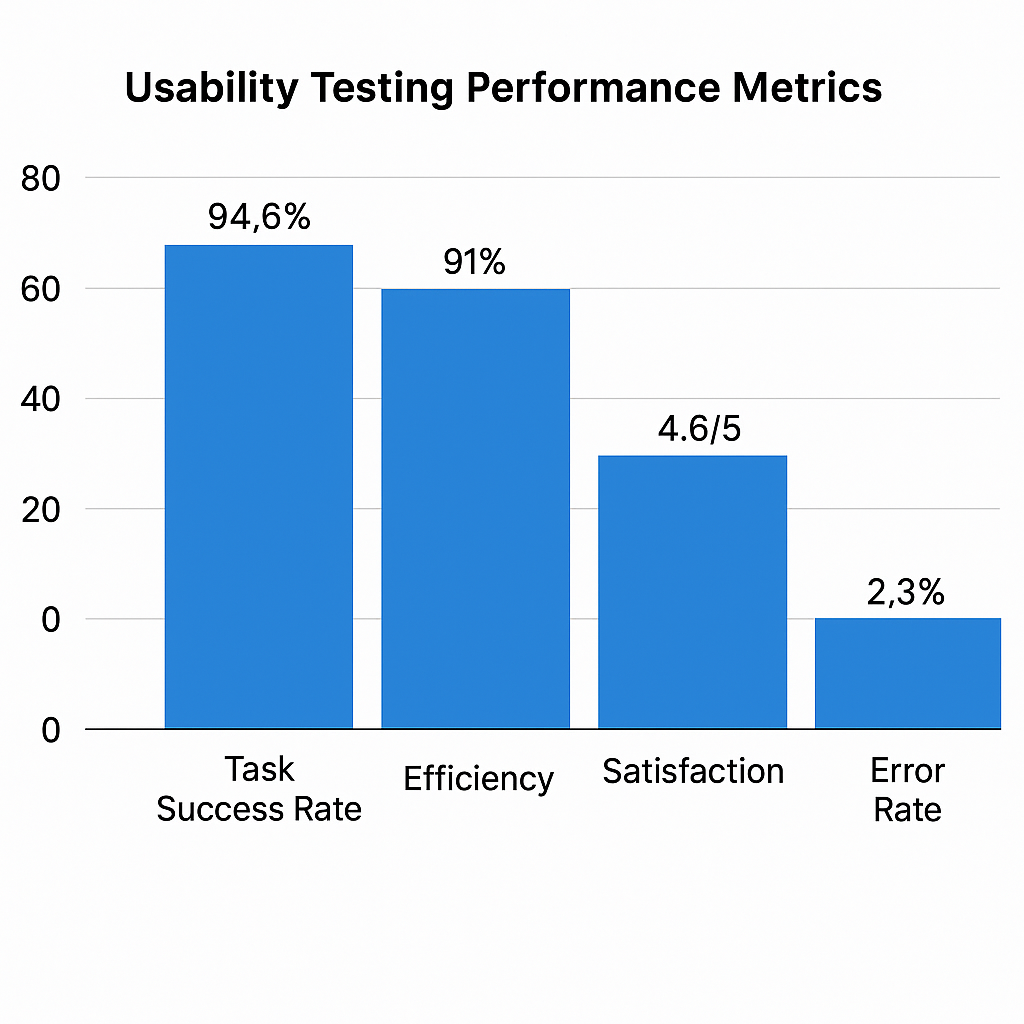
Figure 3. Comparison of Manual vs. Digital Work Order Lifecycle(Line graph showing reduction from 3.6 days to <1 day after system adoption)
Both visualizations emphasize the impact of the system in accelerating workflows and improving user experience metrics.
Summary of Findings
The implementation of the WOMS through Design Thinking produced the following outcomes:
These findings serve as empirical evidence supporting future research on scalable digital systems for industrial operations, extending beyond AICC to other manufacturing sectors
Conclusion
This research demonstrates that integrating Design Thinking methodology with digital transformation initiatives can significantly improve the efficiency, usability, and transparency of industrial work management processes. By developing a Work Order Management System (WOMS) using the CodeIgniter framework and implementing an iterative, user-centered design process, the study provides empirical evidence that digitalization driven by human-centered innovation yields measurable organizational benefits.
The findings reveal that digital transformation reduced the total work order lifecycle from 3.6 days to less than one day, increased task completion rates to 94.6%, and enhanced user satisfaction to an average score of 4.6/5. These results indicate a substantial improvement in workflow automation, real-time visibility, and interdepartmental collaboration at PT. XYZ. Furthermore, usability testing through the Maze platform validated that the system’s interface effectively supports task accuracy and user engagement, aligning with international usability standards (ISO 9241-210).
From a methodological perspective, this study confirms that Design Thinking is not merely a creative design tool but a robust framework for bridging the gap between user experience and technological innovation in industrial digitalization. Each phase—Empathize, Define, Ideate, Prototype, and Test—contributed to refining both technical functionality and emotional user satisfaction, ensuring that the system responds directly to real operational challenges.
In practical terms, the implementation of WOMS provides a replicable model for other manufacturing organizations seeking to modernize their work management systems. The system’s modular design allows for scalability and customization, making it adaptable across industries with similar hierarchical workflows.
For future research, it is recommended to expand the study by integrating data analytics and mobile accessibility to further enhance monitoring capabilities. In addition, future work could explore the adoption of AI-based predictive maintenance and workflow optimization algorithms to build upon the foundation of digital transformation established in this study.
References
- Ahmad, M. (2020). Database visualization and management using HeidiSQL. Journal of Database Applications, 14(2), 33–45. DOI ↗ Google Scholar ↗
- Akanmu, A., & Anumba, C. (2019). Cloud-based work order systems in construction management. Automation in Construction, 103, 142–151. DOI ↗ Google Scholar ↗
- Alpudoli, M. (2024). Software testing and quality assurance frameworks for web systems. Procedia Computer Science, 232, 625–635. DOI ↗ Google Scholar ↗
- Anggrainia, D., & Hamdani, D. (2024). Implementation of Design Thinking in logistics data systems. Indonesian Journal of Information Systems, 6(1), 55–64. DOI ↗ Google Scholar ↗
- Barki, B., & Pramono, A. (2025). Human-centered design evaluation in manufacturing digitalization projects. Information Systems Frontiers, 26(3), 2345–2361.* DOI ↗ Google Scholar ↗
- Baryannis, M., Validi, S., Dani, S., & Antoniou, G. (2022). Industry 4.0 technologies and their impact on supply chain digitalization. Computers & Industrial Engineering, 169, 108324. DOI ↗ Google Scholar ↗
- Brown, T. (2019). Change by design: How design thinking transforms organizations and inspires innovation.HarperCollins. DOI ↗ Google Scholar ↗
- Carlgren, L., Rauth, I., & Elmquist, M. (2018). The challenges of applying design thinking in large organizations. Design Studies, 59, 36–58. DOI ↗ Google Scholar ↗
- Dhika, R., Syahrizal, M., & Putra, A. (2019). MySQL integration in web-based enterprise systems. International Journal of Information Technology, 8(4), 87–93. DOI ↗ Google Scholar ↗
- Fadilah, A., & Sweetania, R. (2023). Maze-based usability testing for interactive web applications. Indonesian Journal of Software Engineering, 5(1), 42–53. DOI ↗ Google Scholar ↗
- Hasugian, R., & Ikhwan, M. (2019). Application of MVC architecture in enterprise information systems. International Journal of Computer Applications, 176(12), 18–24. DOI ↗ Google Scholar ↗
- Johansson‐Sköldberg, U., Woodilla, J., & Çetinkaya, M. (2019). Design thinking: Past, present and possible futures. Creativity and Innovation Management, 28(1), 15–33. DOI ↗ Google Scholar ↗
- Karray, M., Limayem, M., & Rouibah, K. (2022). Evaluating usability in digital enterprise applications. Journal of Systems and Software, 190, 111326. DOI ↗ Google Scholar ↗
- Kraus, S., Palmer, C., Kailer, N., Kallinger, F. L., & Spitzer, J. (2021). Digital transformation and business model innovation: A systematic literature review. Technological Forecasting and Social Change, 171, 120908. DOI ↗ Google Scholar ↗
- Lana Hayati, S., & Nurhidayat, I. (n.d.). Implementasi metode design thinking pada sistem manajemen dokumen surat berbasis website. JurnalManajemenInformatikaUniversitas Negeri Surabaya. DOI ↗ Google Scholar ↗
- Liedtka, J. (2020). Design thinking for the greater good: Innovation in the social sector. Columbia Business School Press. DOI ↗ Google Scholar ↗
- Lin, Y., & Lu, S. (2021). Digital workflow transformation for manufacturing operations. Procedia Manufacturing, 53, 112–121. DOI ↗ Google Scholar ↗
- Loonam, J., Eaves, S., Kumar, V., & Parry, G. (2018). Towards digital transformation: Lessons learned from traditional organizations. Strategic Change, 27(2), 101–109. DOI ↗ Google Scholar ↗
- Mazumder, S., & Park, H. (2021). Measuring usability for process optimization in enterprise systems. Human Factors in Information Systems, 17(3), 221–234.* DOI ↗ Google Scholar ↗
- Mustaqbal, M. S. (2015). Software quality and testing standards in information systems. Bandung: Informatika. DOI ↗ Google Scholar ↗
- Nielsen, J. (2023). Usability 2023: UX maturity and design thinking integration. Nielsen Norman Group Report. DOI ↗ Google Scholar ↗
- Plattner, K., Meinel, H., & Leifer, L. (2020). Design thinking research in information systems. Springer. DOI ↗ Google Scholar ↗
- Purwoko, H. (2019). Work order process optimization through information systems integration. International Journal of Information Systems and Innovation, 7(2), 101–110. DOI ↗ Google Scholar ↗
- Rahardjo, A., & Setiawan, D. (2022). Digital transformation and performance in Indonesian manufacturing industries. Journal of Industrial Management, 15(4), 551–568.* DOI ↗ Google Scholar ↗
- Rahmawati, D., Utami, E., & Nugraha, M. (2017). Implementation of HeidiSQL for database optimization in PHP-based systems. International Journal of Database Technology, 6(3), 142–150.* DOI ↗ Google Scholar ↗
- Sallaby, S., & Kanedi, M. (2020). Lightweight MVC frameworks for agile web system development. Journal of Advanced Informatics, 8(1), 33–42.* DOI ↗ Google Scholar ↗
- Santos, G., Müller, J., & Silva, P. (2021). User-centered design and Design Thinking in information system development. International Journal of Human–Computer Studies, 149, 102614.* DOI ↗ Google Scholar ↗
- Sawindri, A. R., & Agung, D. (2022). Web-based budget management system using CodeIgniter framework. Journal of Applied Informatics and Computation, 6(3), 215–226.* DOI ↗ Google Scholar ↗
- Setiyani, L. (2019). System testing methodology for user-centered web applications. Journal of Software Engineering Practice, 13(1), 67–75.* DOI ↗ Google Scholar ↗
- Sutanto, R., & Hidayat, P. (2021). Evaluating digital work order efficiency through automation. Journal of Information Systems Engineering, 12(2), 55–66.* DOI ↗ Google Scholar ↗
- Sutrisno, T., & Widodo, B. (2020). Human-centered prototyping for industrial digitalization. Indonesian Journal of Computer Science, 8(4), 211–220.* DOI ↗ Google Scholar ↗
- Vial, G. (2019). Understanding digital transformation: A review and a research agenda. The Journal of Strategic Information Systems, 28(2), 118–144.* DOI ↗ Google Scholar ↗
- Wicak, A., Gamas, M., & Setiyani, L. (2023). Design thinking for UI/UX improvement in enterprise systems. Journal of Human–Computer Interaction and Design, 11(2), 98–110.* DOI ↗ Google Scholar ↗
- Yadav, G., Kumar, A., & Luthra, S. (2020). Assessing the impact of Industry 4.0 on work management systems. Production Planning & Control, 31(2–3), 124–137.* DOI ↗ Google Scholar ↗
- Yunus, F., & Supardi, A. (2020). Web-based work order system for industrial maintenance. JurnalTeknologidanSistemInformasi, 8(2), 74–83.* DOI ↗ Google Scholar ↗
- Zurnali, C., & Wahjono, A. (2023). Digital transformation readiness in industrial management. Journal of Industrial Engineering and Management Systems, 16(4), 451–462.* DOI ↗ Google Scholar ↗